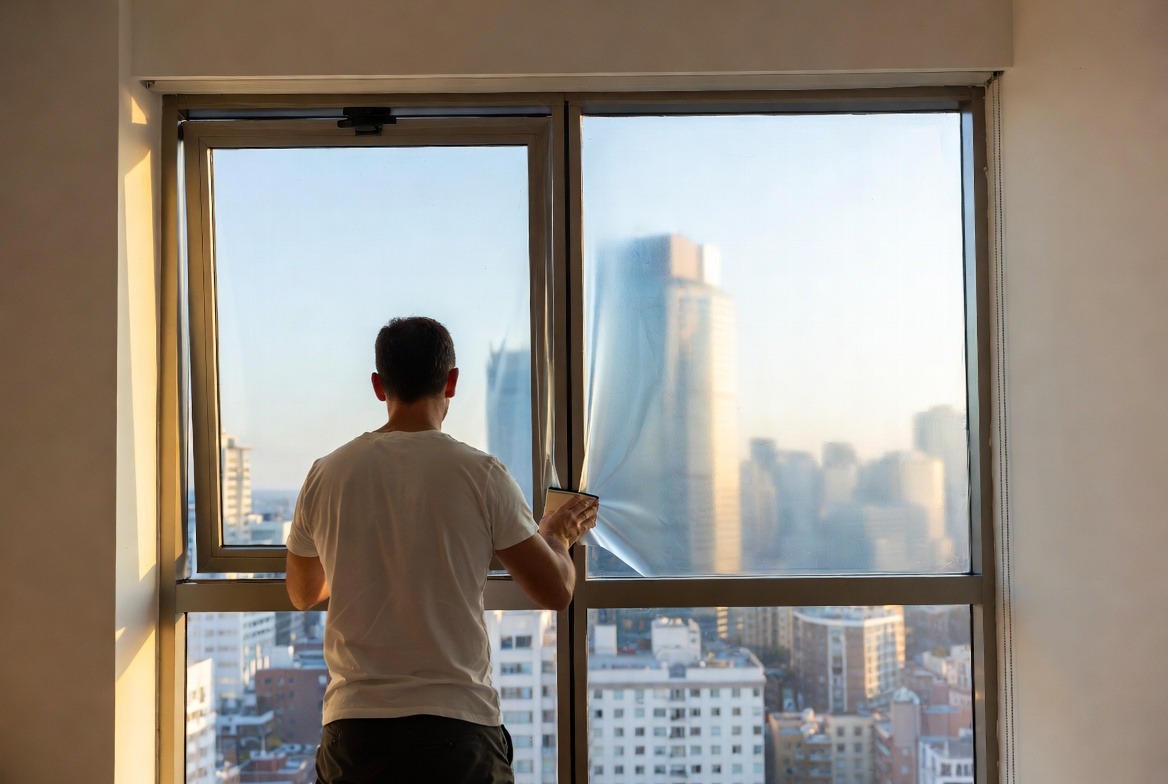
In the competitive realm of home improvement and real estate, even the smallest decisions can wield substantial influence over a property’s overall value. Among the often-overlooked yet highly beneficial enhancements is the installation of static cling window film. This adaptable solution not only elevates the visual appeal of a home but also offers practical advantages that can markedly enhance its market value. In this article, we’ll delve into the transformative potential of static cling window film, illustrating why it’s a valuable asset for homeowners and interior designers alike.
Static cling window film is a non-adhesive material that can be easily applied and removed from glass surfaces without leaving any residue. Unlike traditional window films that rely on adhesive, static cling films utilize static electricity to adhere to windows, offering a flexible, reusable, and non-permanent solution. This characteristic makes them an ideal choice for homeowners seeking to enhance their windows without committing to a permanent fixture, allowing for seasonal or style changes without hassle.
Moreover, the versatility of static cling window films extends beyond their application and removal. They can be repositioned multiple times, making them an excellent choice for renters or those who frequently update their interior decor. This flexibility ensures that homeowners can adapt their window treatments to changing tastes and functional needs, providing a dynamic element to home improvement strategies.
Privacy remains a paramount concern for homeowners, and static cling window film offers an effective solution. These films are designed to allow natural light to permeate indoor spaces while obstructing the view from outside, ensuring privacy without sacrificing daylight. This feature is particularly advantageous for ground-level rooms or windows that face busy streets, where maintaining privacy can be challenging.
Beyond privacy, static cling window films also contribute to a sense of security. By preventing outsiders from seeing inside, they reduce the risk of burglary or unwanted attention, offering homeowners peace of mind. Additionally, they can be used strategically in specific areas of a home, such as bathrooms or home offices, where privacy is especially valued.
Decorative window film offers a plethora of patterns and designs, enabling homeowners and interior designers to infuse style into any room. From elegant frosted glass effects to intricate patterns, the design possibilities are virtually limitless. This allows for the transformation of ordinary windows into captivating focal points, enhancing the overall interior design and contributing to a cohesive aesthetic.
These films provide a cost-effective way to experiment with different styles and trends without committing to permanent changes. Whether aiming for a minimalist look or a more ornate design, window films can be tailored to fit the desired ambiance of a space. This adaptability makes them an invaluable tool for interior designers seeking to create distinctive and visually appealing environments.
One of the most practical advantages of static cling window film is its potential to enhance a home’s energy efficiency. By reducing the amount of heat that enters a home during the summer and minimizing heat loss in the winter, these films help maintain a comfortable indoor temperature year-round. This can result in significant energy savings, as homeowners rely less on heating and cooling systems.
Furthermore, the energy efficiency provided by window films can contribute to a home’s environmental sustainability. By decreasing energy consumption, homeowners can reduce their carbon footprint, aligning with growing trends toward eco-friendly living. This not only benefits the environment but also appeals to environmentally conscious buyers, potentially increasing the property’s marketability. According to the U.S. Department of Energy, energy-efficient window treatments can significantly reduce heat gain and loss, improving overall home efficiency.
The impact of window film on real estate value is multifaceted, offering benefits that extend beyond immediate functional improvements. Here’s how it can contribute to an increased property value:
First impressions are crucial in real estate, and windows significantly influence a home’s exterior appearance. Static cling window film enhances curb appeal by adding a modern, stylish look to the property’s facade. This aesthetic enhancement can make a property more attractive to potential buyers, setting it apart from others on the market.
Moreover, enhanced curb appeal can positively affect a property’s perceived value, as prospective buyers often associate a well-maintained exterior with a well-maintained interior. Aesthetic upgrades like window films can suggest that a home has been cared for, potentially justifying a higher asking price and expediting the sale process.
Inside the home, window film can be utilized to create a cohesive design theme. Whether targeting a minimalist aesthetic or a more decorative style, window film can be aligned with the homeowner’s vision, enhancing the overall living experience. This not only improves the current enjoyment of the space but also increases its appeal to future buyers, who can easily envision themselves in a well-designed environment.
Window films allow for personalization that can cater to a wide range of tastes and preferences, making a property more versatile and appealing to a broader audience. This adaptability can be a selling point in a competitive real estate market, where buyers value both functionality and style in their investment.
Compared to other home improvement projects, installing static cling window film is relatively inexpensive, yet it offers a high return on investment. By providing both aesthetic and functional improvements without the need for extensive renovations, it allows homeowners to enhance their property affordably. This makes it an attractive option for those looking to increase their home’s value without significant financial outlay.
The cost-effectiveness of window films also extends to their maintenance and longevity. As a durable and reusable solution, they offer long-term benefits without the recurring costs associated with other window treatments. This financial prudence can be appealing to budget-conscious buyers, further enhancing the property’s marketability.
Selecting the appropriate window film is essential to achieving the desired results and maximizing its benefits. Here are some tips for homeowners and interior designers:
Identifying the primary purpose of the window film is crucial. Whether it’s for privacy, decoration, or energy efficiency, understanding the intended function will guide the choice of film type and design. This ensures that the selected film meets the specific needs and expectations of the homeowner, resulting in greater satisfaction and utility.
Moreover, considering the purpose helps in setting clear objectives for the home improvement project. By aligning the film choice with the desired outcome, homeowners can ensure that their investment delivers tangible benefits, whether in terms of aesthetics, functionality, or both.
Understanding the amount of natural light a room receives is essential when choosing window film. Some films are designed to allow more light in, while others offer greater shading, providing options to balance privacy needs with lighting preferences. Selecting the right film can enhance the room’s ambiance, creating a comfortable and inviting space.
Additionally, evaluating lighting conditions can prevent common issues such as glare or excessive heat, which can affect the comfort and usability of a space. By considering these factors, homeowners can choose films that optimize the room’s lighting and contribute to a pleasant living environment. The National Renewable Energy Laboratory notes that advanced window film technologies can improve building energy performance.
The design of the window film should complement the existing decor, enhancing the room’s aesthetic without clashing with other design elements. Look for patterns and colors that harmonize with the overall style, whether it’s contemporary, traditional, or eclectic. This attention to detail can elevate the room’s visual appeal and create a cohesive look.
Furthermore, matching the window film to the interior design adds a layer of sophistication and intentionality to the space. It demonstrates a thoughtful approach to home design that can resonate with potential buyers, showcasing the property as a well-curated and desirable living space.
Installing static cling window film is a straightforward process that can often be completed as a DIY project. Here are some general steps to ensure a successful application:
- Clean the Window: Begin by thoroughly cleaning the glass surface to remove any dust, dirt, or debris. A clean window ensures optimal adhesion and a smooth finish.
- Measure and Cut: Measure the window dimensions accurately and cut the film to size, leaving a slight margin for adjustments. This precision ensures a snug fit and a polished appearance.
- Apply the Film: Carefully peel off the backing and apply the film to the window, starting from the top and working your way down. Use a squeegee to remove air bubbles and ensure a smooth finish, enhancing both the film’s effectiveness and its aesthetic appeal.
Static cling window film is low-maintenance but should be cleaned regularly to maintain its appearance and functionality. Use a gentle, non-abrasive cleaner and a soft cloth to avoid scratching the film. Regular maintenance ensures that the film continues to enhance the room’s aesthetics and performance, extending its lifespan and value.
Proper maintenance also involves periodically checking the film for any signs of wear or damage, allowing for timely replacements or adjustments. This proactive approach ensures that the window film remains a valuable asset to the home’s overall design and functionality.
Static cling window film is a versatile and cost-effective solution for enhancing both the aesthetic and functional aspects of a home. By improving privacy, adding style, and boosting energy efficiency, it contributes to increased real estate value. For interior designers, it offers a creative tool to enhance the visual appeal of spaces while meeting the practical needs of clients. Whether you’re a homeowner looking to upgrade your living space or a designer seeking innovative solutions, static cling window film is worth considering.
Incorporating static cling window film into your home improvement strategy can provide lasting benefits and a significant return on investment. It’s a simple yet impactful way to add value to any property, offering both immediate and long-term advantages. As the real estate market continues to evolve, such enhancements can set a property apart, making it more attractive to potential buyers and ensuring that it remains a sound investment for years to come.