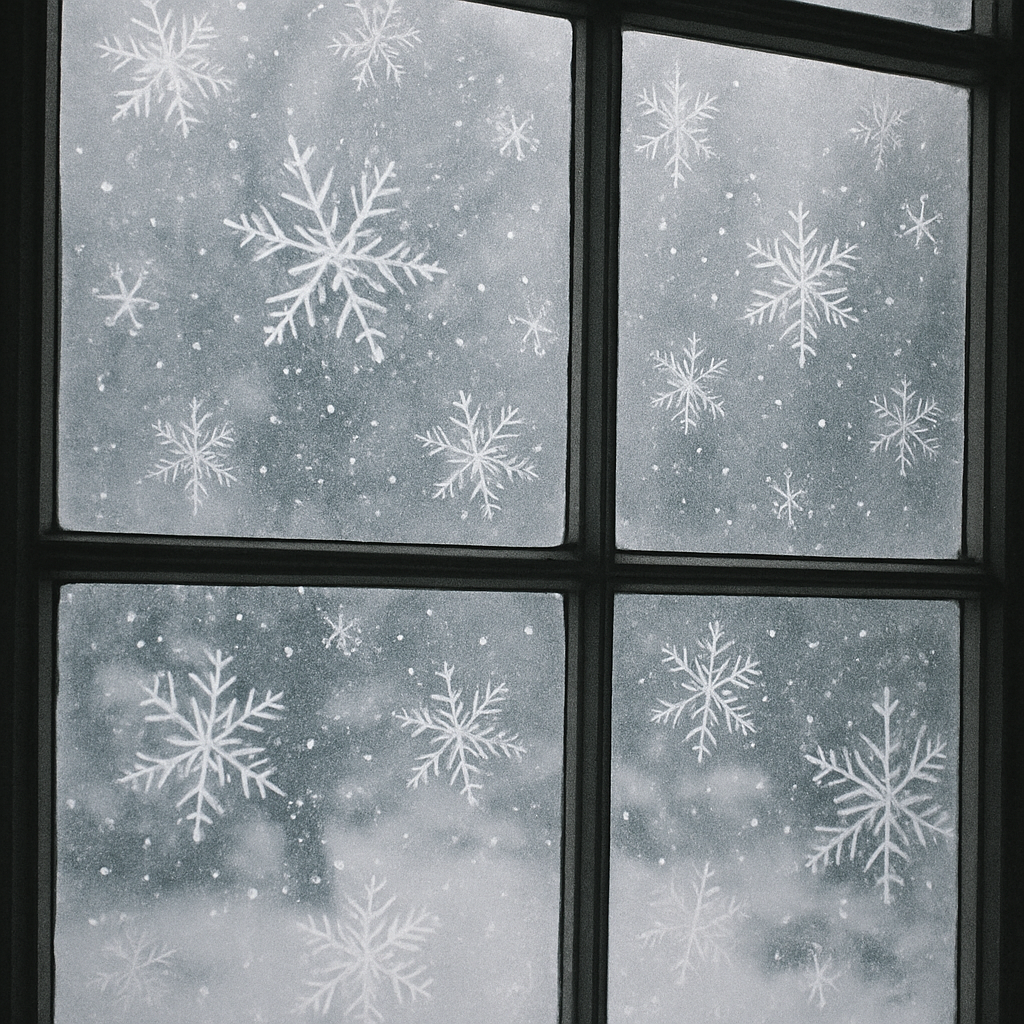
As the chilly winds of winter begin to descend, many homeowners start to seek ways to keep their homes warm without inflating energy bills. Enter winter window film, an innovative and cost-effective solution that offers both style and functionality. If you’re an interior designer looking for ways to enhance your clients’ living spaces, or a homeowner wanting to improve comfort and efficiency, winter window film might just be the answer you need.
What is Winter Window Film?
Winter window film is a specialized window covering designed to enhance thermal insulation during the colder months. Unlike traditional window treatments, these films are engineered to reduce heat loss while still allowing natural light to brighten up interiors. They are an ideal choice for those looking to maintain a comfortable indoor climate and reduce energy consumption. According to the U.S. Department of Energy, windows can account for a significant percentage of heat loss in homes, making energy-efficient upgrades especially important during winter.
How Does Winter Window Film Work?
Winter window film works by adding an extra layer of insulation to your windows. This thin, transparent film is applied directly to the glass, creating a barrier that minimizes heat transfer. During winter, it helps retain indoor warmth, keeping the cold air out and the warm air in, effectively reducing the need for excessive heating. Many homeowners exploring insulating window film are surprised by how effectively modern films can improve thermal performance without replacing existing windows.
Benefits of Winter Window Film
Energy Efficiency and Cost Savings
One of the most compelling reasons to opt for winter window film is its ability to improve energy efficiency. By minimizing heat loss through windows, it reduces the strain on heating systems. This not only leads to lower energy bills but also extends the lifespan of your HVAC system. Organizations like Natural Resources Canada emphasize improving window performance as a key strategy for reducing household heating costs in colder climates.
Enhanced Comfort
Winter window film creates a more consistent indoor temperature, eliminating cold spots near windows. This translates to enhanced comfort for your clients or family members, making living spaces cozy and inviting even on the coldest days.
UV Protection
While the main focus of winter window film is insulation, it also offers protection against harmful UV rays. These rays can cause fading and damage to furniture, flooring, and artwork. Winter window film blocks a significant portion of UV radiation, preserving the beauty and longevity of interior decor.
Aesthetic Appeal
Winter window films come in various styles and finishes, allowing you to choose a design that complements the existing decor. From frosted patterns to subtle tints, these films can add a touch of elegance and privacy to any room.
Installation Process
Installing winter window film is a straightforward process, but it requires precision for optimal results. Here’s a step-by-step guide to help you or your clients understand what to expect during installation.
Step 1: Preparation
Before installation, it’s crucial to clean the windows thoroughly to ensure the film adheres properly. Remove any dirt, dust, or grease using a mild cleaning solution and a lint-free cloth.
Step 2: Measuring and Cutting
Next, measure the dimensions of each window to cut the film accurately. It’s essential to leave a small margin around the edges for a perfect fit.
Step 3: Application
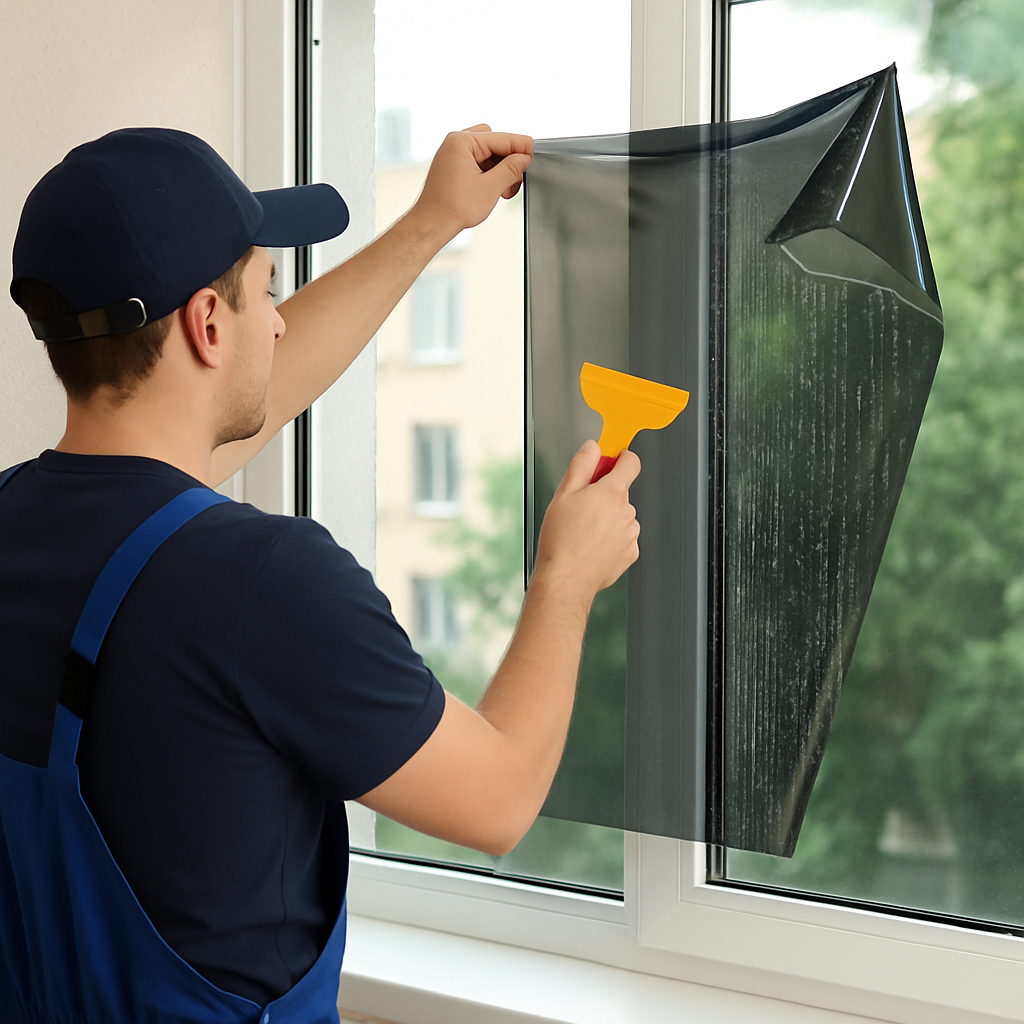
With the adhesive side facing the glass, carefully apply the film starting from the top and working your way down. Use a squeegee to smooth out any air bubbles and ensure a seamless finish.
Step 4: Trimming and Finishing
Once the film is in place, trim any excess material using a sharp blade. Pay close attention to the edges to achieve a clean and polished look.

by Jon Tyson
Choosing the Right Winter Window Film
When selecting winter window film, consider the specific needs and preferences of your clients. Here are some factors to keep in mind:
Insulation Performance
Look for films with high insulation ratings to ensure maximum energy savings. These films typically have a low emissivity (low-E) coating that enhances their thermal performance.
Aesthetic Options
Choose a film that complements the interior design scheme. Whether it’s a decorative pattern or a subtle tint, the right film should enhance the overall aesthetic without overpowering it.
Warranty and Durability
Opt for high-quality films that come with a manufacturer warranty. These films are more likely to withstand wear and tear, ensuring long-lasting performance.
Real-Life Applications and Success Stories
Interior designers and homeowners across the country have embraced winter window film as a practical and stylish solution. Here are a few success stories that highlight its transformative impact.
Case Study: A Cozy Retreat in the Mountains
In a rustic mountain cabin, an interior designer used winter window film to enhance the warmth and comfort of the living area. The film’s subtle tint complemented the wooden interiors, while its insulation properties reduced heating costs by 30%.
Case Study: Modern Loft in the City
In a contemporary urban loft, a homeowner chose frosted window film for added privacy without sacrificing natural light. The result was a sleek and modern look that maintained energy efficiency and protected interior furnishings from UV damage.
Conclusion: The Smart Choice for Winter Comfort
Winter window film offers a unique blend of style and functionality, making it an excellent choice for anyone looking to enhance their living spaces. Whether you’re an interior designer seeking cost-effective solutions for clients or a homeowner eager to improve comfort and efficiency, winter window film is a smart investment.
By reducing energy consumption, increasing comfort, and adding aesthetic appeal, this innovative solution proves that you don’t have to sacrifice style for functionality. As the winter months approach, consider making the switch to winter window film and experience the benefits firsthand.