Categories
Window Tinting and Films

Facts About Uv Blocking Window Film

In today’s world, homeowners are increasingly looking for ways to improve their living spaces while also maintaining energy efficiency and protecting their interiors. One effective solution that has gained popularity is UV blocking window films. This article will delve into the essential facts about UV blocking window film, its benefits, and how it can enhance your home environment.

What is UV Blocking Window Film?

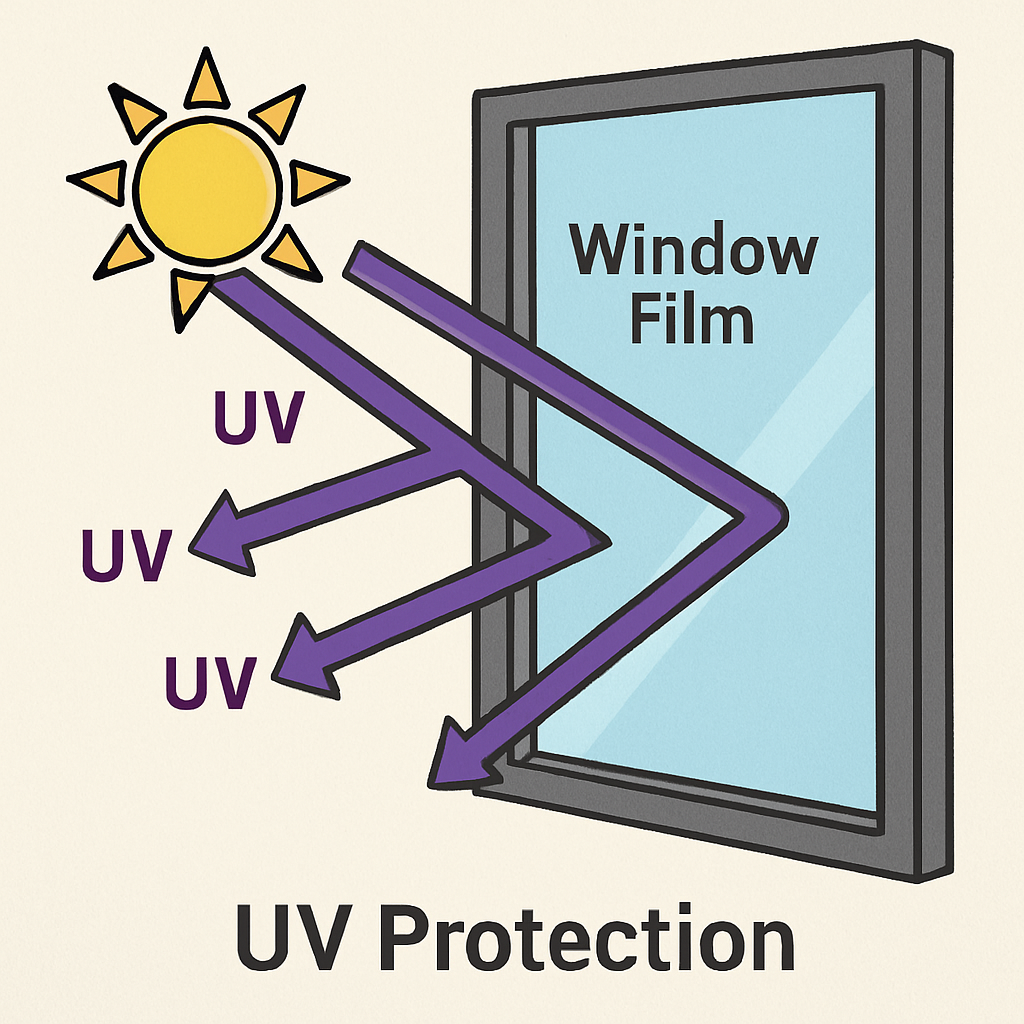
UV blocking window film is a specialized film applied to windows to reduce the amount of ultraviolet (UV) rays entering a home. According to the U.S. Environmental Protection Agency (EPA), prolonged exposure to UV radiation can damage skin and interior materials over time. UV rays are a component of sunlight that can cause fading of interior furnishings, increase energy costs, and even harm your skin.

How Does It Work?

The film is designed to absorb or reflect a significant portion of UV radiation while allowing visible light to pass through. It typically consists of multiple layers, each serving a specific purpose, such as reflecting UV rays, enhancing strength, and improving clarity.

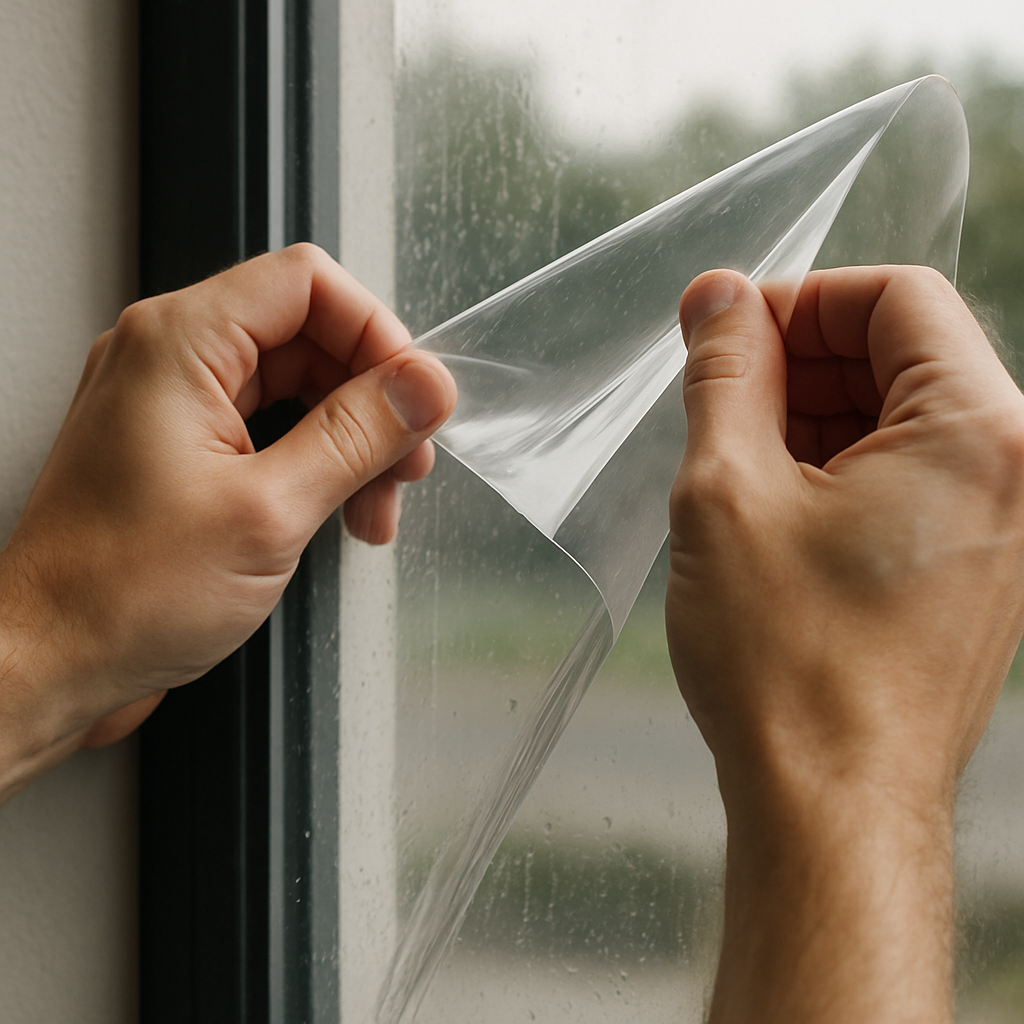
Close-up of window film application

Benefits of UV Blocking Window Film

Installing UV blocking window film offers numerous advantages, making it a popular choice for homeowners and interior designers alike.

Protection from UV Rays

One of the primary benefits is the protection it offers from harmful UV rays. By blocking up to 99% of UV radiation, window film helps protect your furniture, flooring, and artwork from fading. This protection prolongs the life and appearance of your interior furnishings.

Energy Efficiency

Solar window films can also contribute to energy efficiency. The U.S. Department of Energy notes that window coverings and films can help reduce heat gain and improve indoor comfort. By reducing heat gain in the summer and retaining warmth during winter, these films help lower your energy bills. They allow natural light in, minimizing the need for artificial lighting, which further contributes to energy savings.

Enhanced Comfort

UV blocking window films can significantly improve the comfort of your home. By controlling the amount of heat entering through the windows, these films maintain a more consistent indoor temperature, reducing the need for air conditioning and heating.

Glare Reduction

Excessive glare can be a nuisance, especially when watching TV or working on a computer. Window film reduces glare while still allowing natural light to illuminate your home, creating a more pleasant and productive environment.

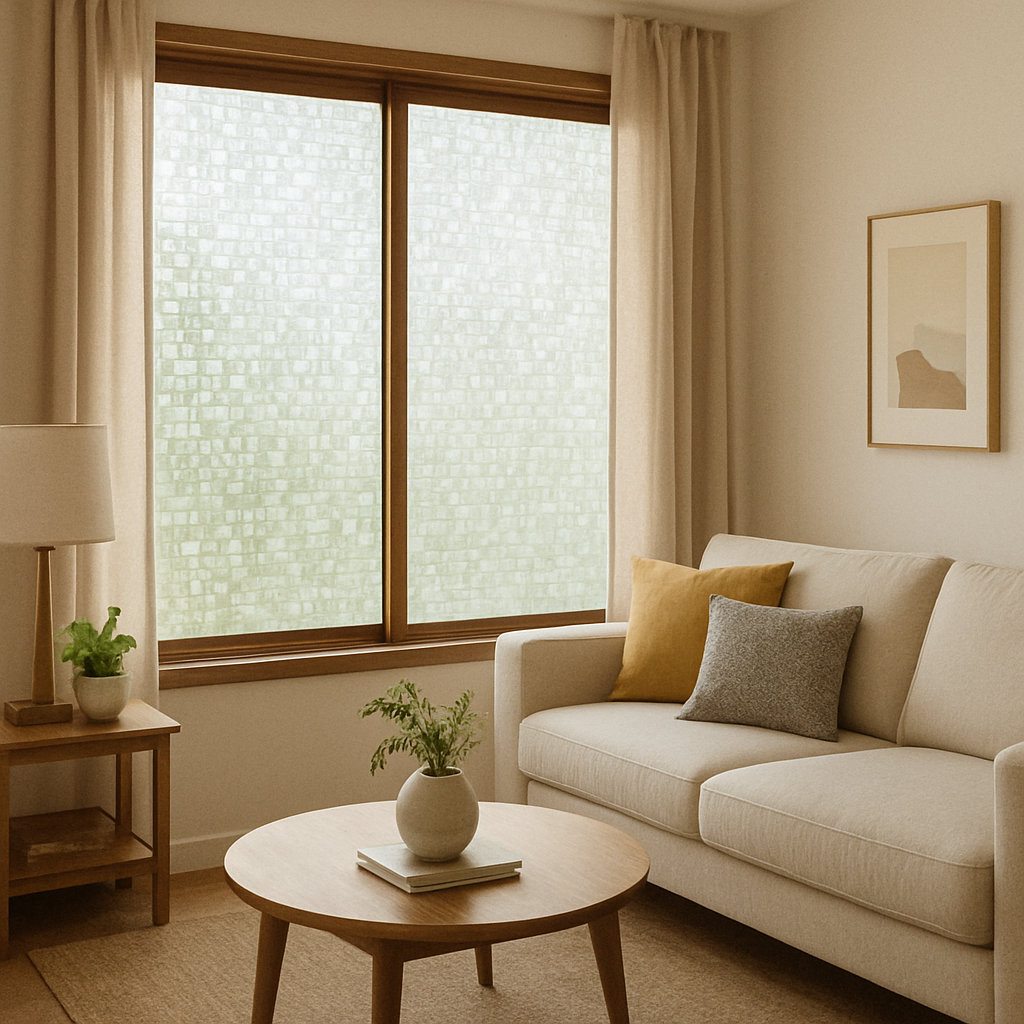
Living room with reduced glare

Photo by Sam Moghadam on Unsplash

Privacy and Security

Certain types of window films can enhance privacy by making it harder for outsiders to see inside your home. Additionally, they can strengthen your windows, making them more resistant to shattering, which adds an extra layer of security.

Types of Window Films

There are several types of window films, each designed to meet specific needs. Understanding the differences can help you choose the right film for your home.

Solar Control Films

These films are designed to control heat, reduce glare, and block UV rays. They are ideal for homeowners looking to improve energy efficiency and comfort.

Decorative Films

Decorative films offer privacy and aesthetic enhancement without blocking too much natural light. They come in various patterns and designs, allowing you to customize your windows to match your interior décor.

Security Films

Security films are thicker and designed to hold glass together in case of breakage, providing an added layer of protection against break-ins and accidents.

Dual-Reflective Films

These films offer reflective properties on the exterior side to reduce heat and glare, while the interior side provides a clearer view to the outside.

Installation Process

Installing UV blocking window film is a straightforward process that can be done professionally or as a DIY project for those with a knack for home improvement.

Professional Installation

For best results, it is recommended to hire a professional installer. They have the expertise and tools necessary to ensure a precise fit and finish. Professional installation also usually comes with a warranty, providing peace of mind.

DIY Installation

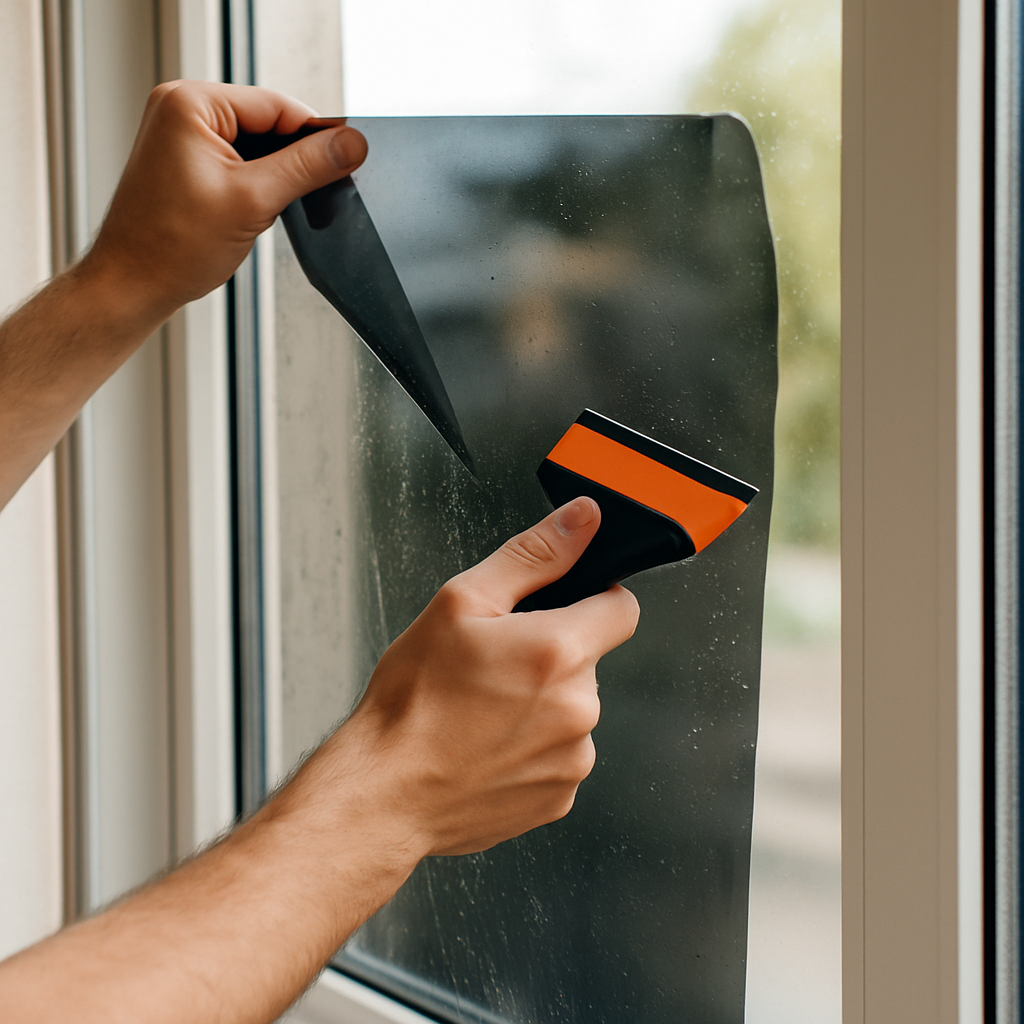
If you choose to install the film yourself, be sure to carefully follow the instructions provided by the manufacturer. Clean the windows thoroughly, cut the film to size, and apply it using a squeegee to remove air bubbles.

Maintenance and Care

Once installed, UV blocking window film requires minimal maintenance. Regular cleaning with a soft cloth and mild soapy water will keep the film looking its best. Avoid using abrasive materials or harsh chemicals that could damage the film.

Cost Considerations

The cost of UV blocking window film varies depending on the type of film, size of the windows, and whether you opt for professional installation. While it may seem like an investment upfront, the long-term savings on energy bills and protection of interior furnishings often outweigh the initial cost.

Conclusion

UV blocking window film is a versatile and effective solution for enhancing your home’s comfort, energy efficiency, and protection. Whether you’re an interior designer looking to incorporate eco-friendly solutions into your projects or a homeowner seeking to improve your living space, window film offers a practical and stylish option.

By understanding the benefits and types of window films available, you can make an informed decision that aligns with your needs and aesthetic preferences. Consider consulting with a professional installer to explore the best options for your home.

Categories
Window Tinting and Films

The Case for Choosing Solar Film For Home Windows

Enhancing the aesthetic appeal and energy efficiency of a home is a top priority for many homeowners today. Solar film for home windows emerges as an ideal solution, offering a blend of functionality and style. This innovative product not only elevates the design of living spaces but also provides significant energy-saving benefits.

Solar film serves as an excellent alternative to traditional window treatments. It is a thin, multi-layered film applied to glass surfaces, designed to control heat and light. By installing solar film, homeowners can enjoy a range of benefits, from reduced energy bills to increased comfort.

Energy Efficiency

One of the most compelling reasons to install solar film is its ability to improve energy efficiency. The film reflects a significant portion of solar heat, keeping interiors cooler in the summer months. This reduction in heat gain can lead to noticeable savings on air conditioning costs. Furthermore, during the winter, solar film helps retain heat, contributing to lower heating expenses.

UV Protection

Solar film also provides robust protection against harmful ultraviolet rays, which can cause fading of furniture, flooring, and artwork. By blocking up to 99% of UV rays, solar film extends the life of interior furnishings, preserving their color and quality.

Enhanced Privacy and Security

Privacy window film is another advantage of solar film installation. It can be tailored to allow natural light while obstructing outside views, ensuring privacy without sacrificing daylight. Additionally, some films are designed to reinforce glass, providing an extra layer of security against break-ins and accidents.

Aesthetic Appeal

For interior designers, solar film offers a versatile solution that complements various design styles. Available in a range of tints and finishes, solar film can enhance the visual appeal of windows, adding a sleek, modern touch to any room. Whether you’re aiming for a minimalist look or a bold statement, there’s a solar film option to suit your design vision.

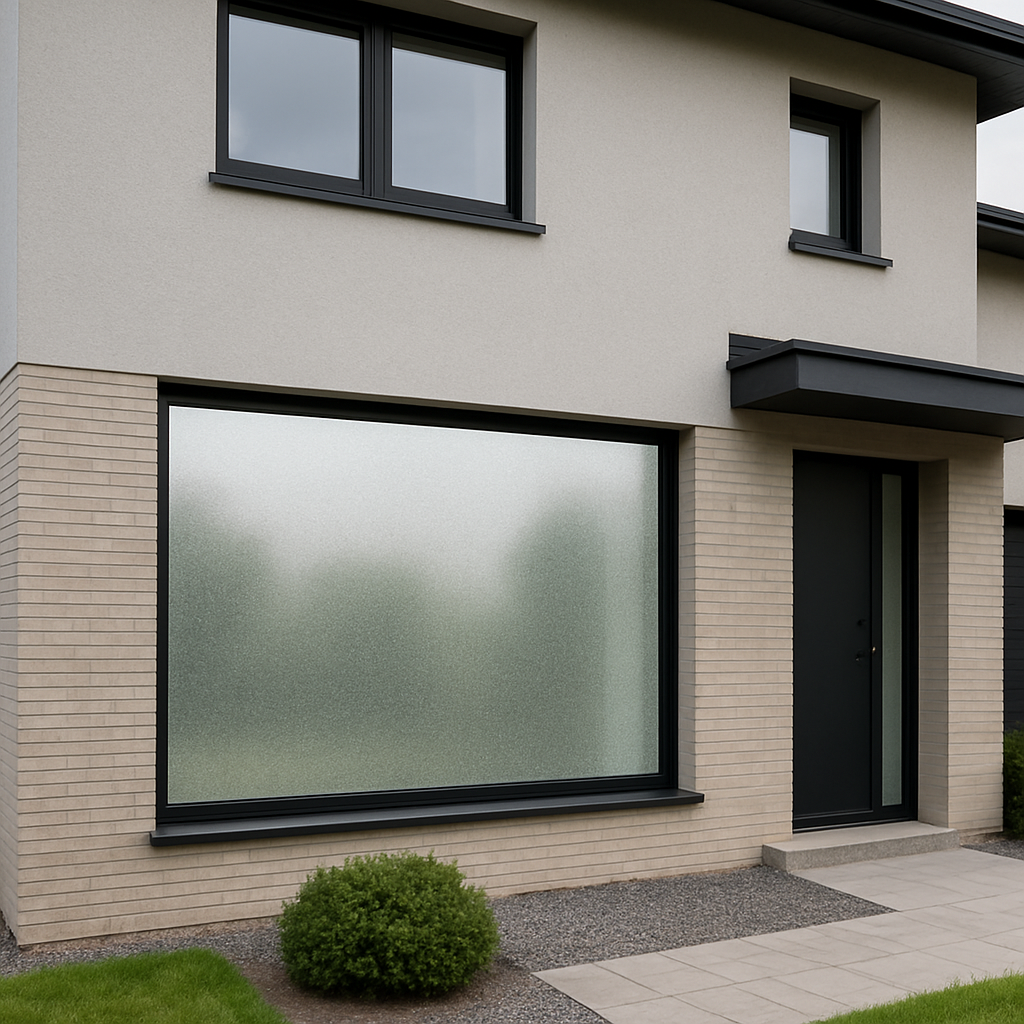
Stylish window film

Eco-Friendly Choice

Choosing solar film is not only beneficial for homeowners but also for the environment. By reducing the need for artificial cooling and heating, solar film helps decrease energy consumption and carbon footprints. This eco-friendly aspect aligns with the growing trend towards sustainable home improvement solutions.

Cost-Effective Investment

While the initial installation cost of solar film may vary, it is a cost-effective investment in the long run. The energy savings, extended lifespan of home furnishings, and added privacy contribute to a return on investment that homeowners can appreciate over time.

In conclusion, solar film for home windows offers an array of benefits that make it an attractive choice for homeowners and interior designers alike. By enhancing energy efficiency, providing UV protection, ensuring privacy, and adding aesthetic value, solar film stands out as a smart, sustainable home improvement solution. Consider integrating solar film into your next project to experience these advantages firsthand. If you have any questions or need further information, feel free to reach out for expert advice tailored to your needs.

Categories
Window Tinting and Films

What Nobody Tells You About Glass Film For Windows

When it comes to enhancing the privacy and aesthetic appeal of your home, glass film for windows emerges as a versatile and cost-effective solution. While many homeowners focus on curtains or blinds, glass film offers an innovative alternative that often goes unnoticed. This article unveils everything you need to know about glass film for windows, from its benefits to the different types available, and why it might just be the perfect addition to your home improvement plans.

The Hidden Benefits of Glass Film

Enhanced Privacy Without Sacrificing Light

One of the most compelling reasons to consider glass film is its ability to offer privacy without blocking out natural light. Privacy window film explained can obscure the view from outside while still allowing sunlight to filter into your rooms. This feature is particularly beneficial for street-facing windows or bathrooms where privacy is paramount.

Energy Efficiency and UV Protection

Energy-efficient window film

Glass film not only enhances privacy but also contributes to energy efficiency. By reflecting heat and reducing glare, it helps maintain a comfortable indoor temperature, which can lead to significant savings on energy bills. According to the U.S. Department of Energy, window films can reduce heat gain and improve indoor comfort. Additionally, many glass films are designed to block up to 99% of harmful UV rays, protecting your furniture and flooring from fading.

Aesthetic Appeal and Versatility

With a wide range of styles, patterns, and colors, glass film can complement any interior design. Whether you prefer a frosted look, a stained glass effect, or a modern geometric pattern, there’s a film to match your taste. This versatility allows you to customize the appearance of your windows without the need for costly replacements.

Types of Glass Film for Windows

One Way Glass Film

One way glass film is a popular choice for those seeking daytime privacy. It works by reflecting light, making it difficult for outsiders to see in while you can still enjoy an unobstructed view of the outside. This type of film is ideal for office spaces or homes where privacy during daylight hours is crucial.

Decorative Glass Film

For those who wish to make a design statement, decorative glass film offers a plethora of options. From intricate patterns to bold colors, decorative films can transform plain windows into stunning focal points. They are also perfect for adding a touch of elegance to glass doors and partitions.

Frosted Glass Film

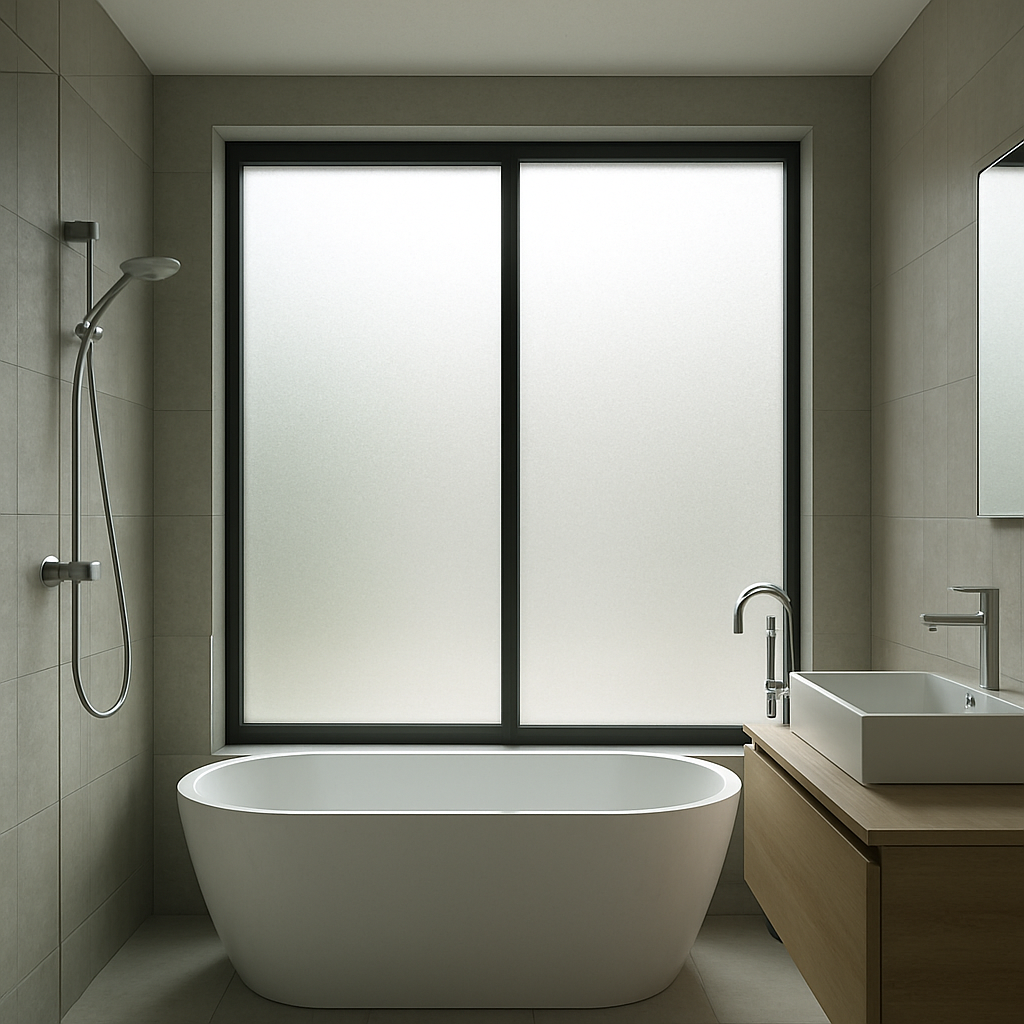
Frosted glass film provides a subtle, classic look that is perfect for bathrooms or any area where privacy is needed. It mimics the appearance of etched glass and is a cost-effective alternative to expensive custom glass installations.

Installation and Maintenance

Easy Installation Process

Installing glass film is a straightforward process that doesn’t require professional assistance, though experts can ensure a flawless finish. The film is applied directly to the glass surface, and it can be easily cut to fit any window shape or size.

Low Maintenance and Durability

Once installed, glass film requires minimal maintenance. It can be cleaned with regular glass cleaner and a soft cloth. High-quality films are designed to last for many years, resisting peeling, bubbling, and discoloration. Guidance from the Environmental Protection Agency (EPA) highlights how improving window performance can contribute to healthier indoor environments.

Choosing the Right Film for Your Needs

When selecting glass film, consider your primary goals: privacy, aesthetics, energy efficiency, or UV protection. Understanding your needs will help you choose a film that offers the best combination of features for your home.

Consulting with Professionals

While DIY installation is possible, consulting with professionals can provide valuable insights into the best type of film for your specific windows and environment. Experts can recommend films that align with your aesthetic preferences and functional requirements.

Real-World Applications and Success Stories

Transforming Home Offices

Many homeowners have successfully used glass film to create private, stylish home office spaces. By applying one way glass film, they’ve achieved the desired privacy without sacrificing natural light, creating an ideal work environment.

Enhancing Bathroom Privacy

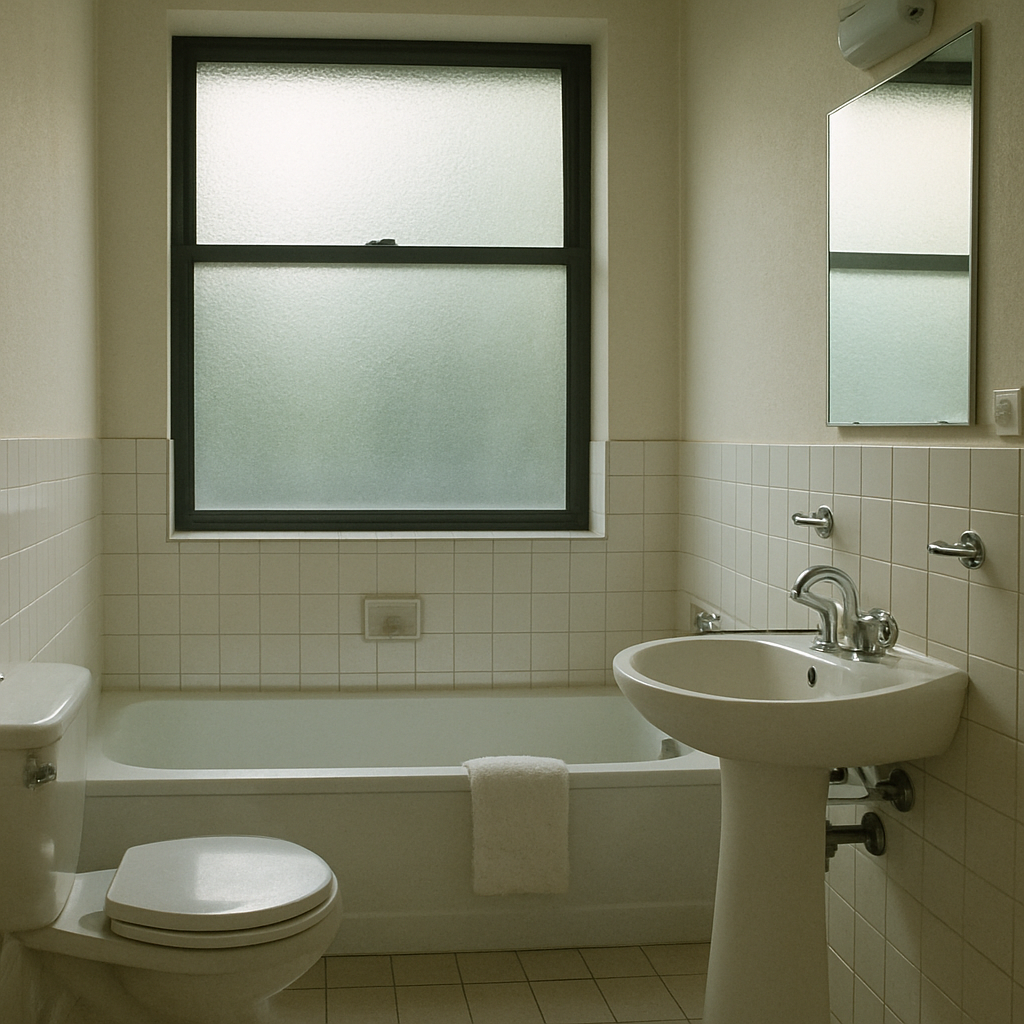
Bathroom privacy with frosted glass film

by Shengnan Gao (https://unsplash.com/@sgao)

In bathrooms, frosted glass film has proven to be an effective solution for those seeking privacy without the need for blinds or curtains. The frosted effect offers a modern, clean look while ensuring privacy.

Improving Energy Efficiency

Homeowners have reported noticeable reductions in energy bills after installing energy-efficient glass films. By reflecting heat and reducing the need for artificial cooling, these films have helped create more sustainable living environments.

Final Thoughts

Glass film for windows is an often-overlooked solution that offers a myriad of benefits, from enhancing privacy and aesthetics to improving energy efficiency. Whether you’re an interior designer seeking to provide eco-friendly solutions to your clients, or a homeowner looking to upgrade your space, glass film is a versatile and affordable option worth considering.

By understanding the different types of films and their unique benefits, you can make an informed decision that enhances your home’s functionality and style. Consult with professionals if needed, and explore the potential of glass film to transform your living spaces.

In conclusion, glass film for windows is more than just a decorative addition; it’s a practical investment in your home’s comfort, privacy, and energy efficiency. Embrace this innovative solution and discover the difference it can make in your living environment.

Categories
Window Tinting and Films

What to Know Before You Buy Privacy Window Film

In today’s world, privacy is a top concern for many homeowners. With houses being built closer together and the constant buzz of activity around us, maintaining privacy can be challenging. Enter privacy window film—a simple, effective solution that not only enhances privacy but also adds style and energy efficiency to your home. Before you jump into purchasing window film, here’s everything you need to know to make an informed decision.

Understanding Privacy Window Film

Privacy window film is a thin, adhesive layer applied to glass surfaces. It provides a barrier that prevents outsiders from seeing into your home while allowing you to enjoy natural light. It comes in various styles, shades, and textures, offering flexibility to match your interior design preferences.

Types of Privacy Window Film

Different types of window films displayed

  1. Frosted Window Film: Offers a translucent finish that allows light in while blocking views. Perfect for bathrooms or any space where you desire both light and privacy.
  2. Reflective Film: Features a mirrored finish on the outside, reflecting sunlight and making it difficult for outsiders to see in during daylight. It’s ideal for offices or living rooms.
  3. Decorative Film: Available in a variety of patterns and designs, decorative films add an artistic touch to your windows while maintaining privacy.
  4. Blackout Film: Completely blocks both light and visibility, providing maximum privacy. Suitable for bedrooms or media rooms.

Benefits of Privacy Window Film

Enhancing Privacy

The primary benefit of privacy window film is, of course, privacy. It allows you to enjoy your home without worrying about prying eyes. This can be especially beneficial if you live in a densely populated area or on a busy street.

Energy Efficiency

Privacy window films can help reduce energy bills by blocking out harmful UV rays. This prevents heat from entering during the summer and retains warmth during the winter, making your home more energy-efficient. According to the U.S. Department of Energy, window films can significantly reduce heat gain and improve insulation performance.

Protecting Interiors

Window films block up to 99% of UV rays, which can damage furniture, flooring, and artwork over time. By installing window film, you protect your interiors from fading and extend their lifespan. Research from the Skin Cancer Foundation confirms that UV radiation is a major cause of material fading and skin damage, highlighting the importance of UV protection solutions.

Aesthetic Appeal

With a wide array of styles available, privacy window film can enhance the look of your home. Whether you prefer a sleek, modern appearance or a more traditional look, there’s a film to suit your taste.

Factors to Consider Before Buying Privacy Window Film

Purpose and Location

Before purchasing, consider why you need window film and where you’ll be installing it. Different areas of your home may require different types of film based on privacy needs, light preferences, and aesthetic goals. If you’re new to films, you can learn about window films to better understand your options.

Installation

Professional installing window film

by Blake Harbison (https://unsplash.com/@blake_harbison)

Consider whether you’ll install the film yourself or hire a professional. DIY kits are available, but professional installation ensures a flawless finish and durability. If you opt for DIY, make sure to follow the instructions carefully for the best results.

Budget

Privacy window films come in a range of prices. Decorative films tend to be more expensive due to their intricate designs, while basic frosted films are more budget-friendly. Determine your budget beforehand and choose a film that meets your needs without overspending.

Durability

Look for films that offer warranties and are known for their durability. High-quality films may cost more initially but will last longer and provide better value over time.

Installation Process: DIY or Professional?

DIY Installation

If you opt for a DIY approach, here’s a simple guide:

  1. Clean the Window: Ensure the glass surface is clean and free of dust or debris.
  2. Measure and Cut the Film: Measure your window and cut the film to size, leaving a small margin for adjustments.
  3. Apply the Film: Peel off the backing and apply the film to the window, starting from the top and working your way down.
  4. Smooth Out Bubbles: Use a squeegee or credit card to smooth out any air bubbles or wrinkles.

Professional Installation

Hiring a professional ensures a seamless finish. Professionals have the experience and tools needed to install the film perfectly, reducing the risk of bubbles or misalignment. This option might be more expensive but offers peace of mind and a polished result.

Maintenance Tips for Privacy Window Film

Maintaining your window film is straightforward. Here are some tips to keep it looking its best:

  • Avoid Harsh Cleaners: Use a mild soap solution and a soft cloth to clean the film. Avoid using abrasive materials or ammonia-based cleaners, as they can damage the film.
  • Regular Cleaning: Clean the film regularly to prevent dirt buildup, which can scratch the film over time.
  • Inspect for Damage: Periodically check for any signs of wear or peeling, especially at the edges. Addressing minor issues promptly can extend the film’s lifespan.

Conclusion

Privacy window film is a versatile and effective solution for enhancing privacy, improving energy efficiency, and adding aesthetic value to your home. Whether you choose frosted, reflective, decorative, or blackout film, understanding your needs and preferences will guide you to the right choice. Consider factors like installation, budget, and durability before making a purchase. Whether you decide to tackle the installation yourself or hire a professional, privacy window film is a worthy investment that will improve both your home’s functionality and appeal.

With the right privacy window film, you can enjoy the comfort of your home without compromising on style or safety. So, take the plunge and discover the transformative power of this simple yet impactful home improvement solution. Happy decorating!

Categories
Window Tinting and Films

Step-by-Step Guide to Using Uv Window Film

# Step-by-Step Guide to Using UV Window Film

Enhancing your home with UV window film is a straightforward and cost-effective way to improve energy efficiency, protect your interiors, and add a touch of style. As an interior designer, you can offer your clients a solution that not only complements their design aesthetic but also serves practical purposes. This guide will walk you through the process of installing UV window film, ensuring you can confidently offer this service to your clients. To better understand the window film advantages, it’s helpful to explore how modern films combine UV protection, comfort, and design flexibility.

What is UV Window Film?

UV window film is a thin, multi-layered material applied to window glass to block harmful ultraviolet rays. It serves multiple functions: reducing glare, enhancing privacy, and contributing to energy savings by keeping interiors cooler. Available in various styles and shades, window film can complement any interior design. According to the U.S. Department of Energy, window films can significantly reduce heat gain and improve overall home energy performance.

Benefits of UV Window Film

  • Energy Efficiency: By blocking UV rays, window films help maintain a consistent indoor temperature, reducing the need for air conditioning and lowering energy bills.
  • Protection: These films protect furniture, flooring, and artwork from fading by blocking up to 99% of UV rays. The U.S. Environmental Protection Agency (EPA) highlights how prolonged UV exposure contributes to material degradation and fading indoors.
  • Aesthetic Appeal: Available in different tints and patterns, window films add a stylish element to any room.
  • Privacy and Security: Tinted films can prevent passersby from peering inside, while thicker films offer some level of shatter resistance.
Different Styles of Window Film

Preparing for Installation

Before diving into the installation process, make sure you have all the necessary tools and materials. Here’s a checklist to get you started:

  • UV window film of your choice
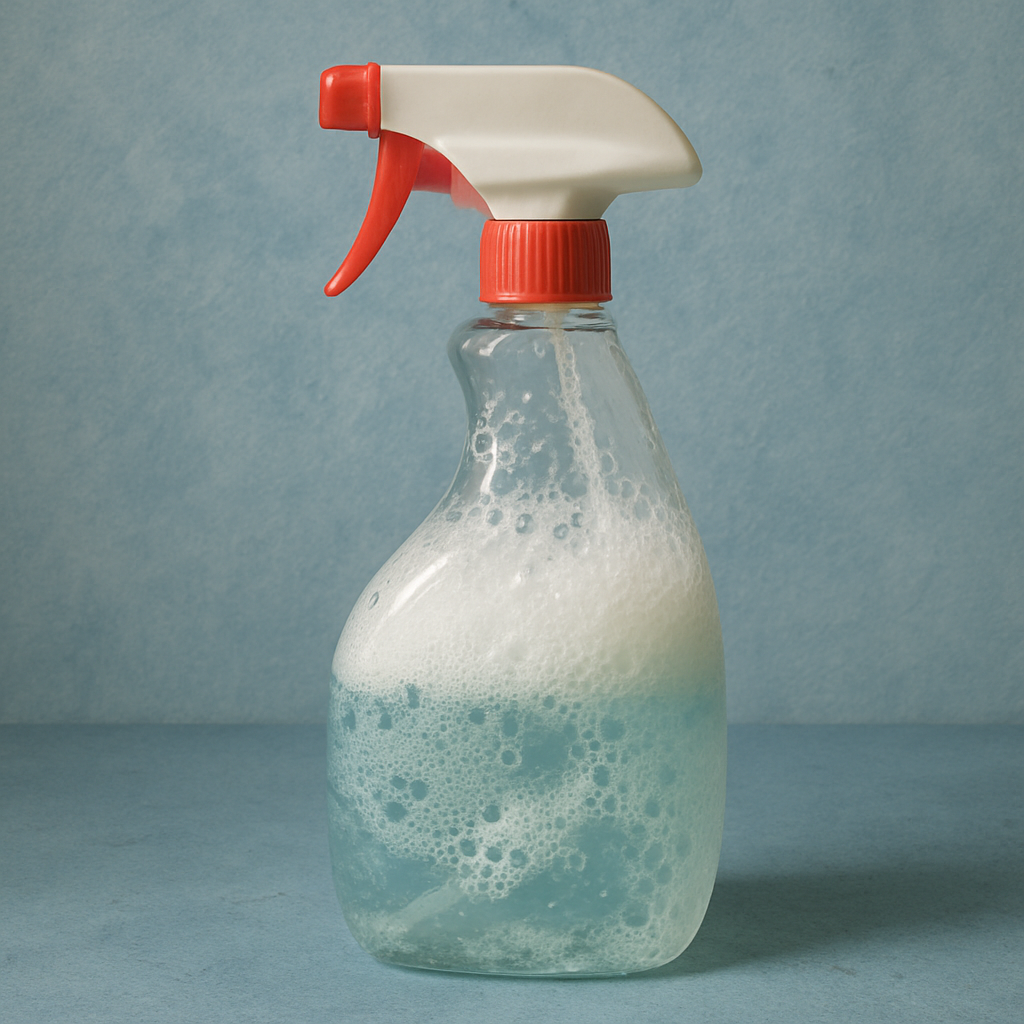
  • Spray bottle filled with a solution of water and a few drops of baby shampoo or dish soap
  • A utility knife or sharp cutter
  • A squeegee or a similar flat tool
  • Measuring tape
  • Cleaning supplies: a glass cleaner and lint-free cloth
  • A ruler or straight edge

Step 1: Measure Your Windows

Accurate measurements are crucial for a smooth installation process. Measure the height and width of each window pane you plan to cover. Add an extra inch to both dimensions to ensure the film covers the entire glass surface.

Step 2: Clean the Windows

Thoroughly clean the window glass with a glass cleaner and a lint-free cloth. Any dirt or debris left on the surface can cause bubbles and imperfections in the film.

Installing the UV Window Film

With your tools ready and windows cleaned, it’s time to install the film. Follow these steps to ensure a professional-looking application:

Step 3: Cut the Film

Using your measurements, cut the window film to size on a clean, flat surface. Remember to add an extra inch on all sides. A utility knife and a ruler will help ensure straight, even cuts.

Step 4: Wet the Window

Fill your spray bottle with the soap and water solution. Liberally spray the window glass. This solution allows you to easily adjust the film once it’s on the glass.

Step 5: Apply the Film

Peel the backing from the film, exposing the adhesive side. Spray the adhesive side with the soap solution as you peel. Carefully place the film on the wet window, starting at the top. The soapy water allows you to slide the film into position.

Step 6: Smooth the Film

Using a squeegee or flat tool, smooth the film onto the glass. Begin at the center and work your way outward to remove air bubbles and excess water. Pay special attention to edges and corners.

Step 7: Trim the Edges

Once the film is smoothed out, carefully trim the excess film from the edges with a utility knife. Use a ruler to ensure straight cuts.

Step 8: Final Smoothing

Go over the film one last time with the squeegee to remove any remaining bubbles and ensure it adheres properly.

Smoothing UV Window Film

by Maryam F. (https://unsplash.com/@encoreunemaryam)

Maintaining UV Window Film

After installation, proper maintenance will ensure your window film lasts for years. Avoid cleaning the film for at least 30 days to allow it to cure fully. Afterward, clean it with a mild soap and water solution and a soft cloth to prevent scratches.

Conclusion

UV window film is a versatile addition to any home, offering benefits that are both aesthetic and functional. By following this step-by-step guide, you can provide your clients with a stylish, eco-friendly solution that enhances interior designs and improves energy efficiency.

Whether you’re looking to offer this as a service or simply understand the process for your own projects, mastering UV window film installation is a valuable skill for any interior designer.

Categories
Window Tinting and Films

Next-Level Applications of Heat Reducing Window Film

In the ever-evolving world of home improvement and interior design, heat reducing window film has emerged as a game-changer. It offers a stylish and energy-efficient solution that not only enhances the aesthetics of a space but also significantly reduces energy costs. If you’re an interior designer looking to provide your clients with an eco-friendly and cost-effective solution, heat reducing window film might just be the answer you’ve been searching for.

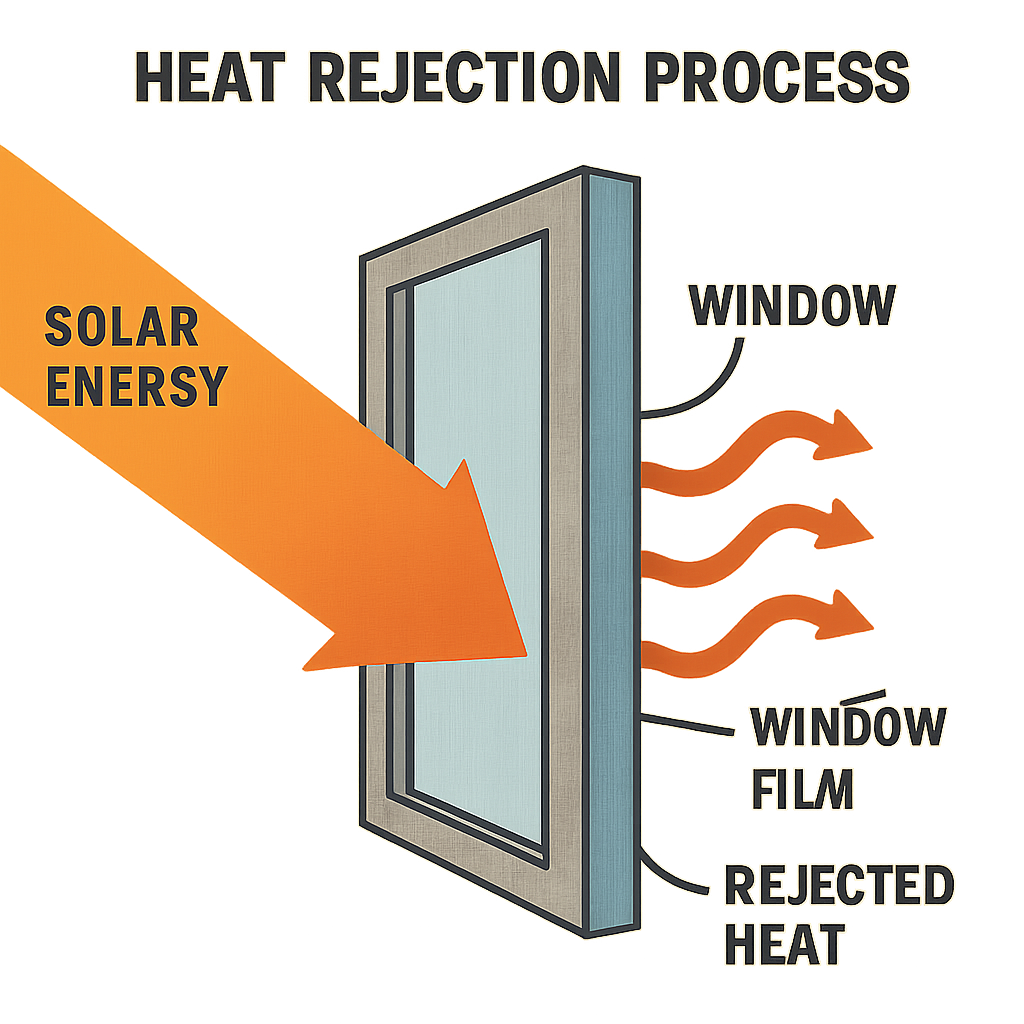
Heat reducing window film is a thin, multi-layered film that can be applied to windows. Its primary function is to reflect and absorb heat, thereby reducing the amount of solar energy that enters a room. By blocking the sun’s heat, these films help maintain a consistent indoor temperature, reducing the reliance on air conditioning and, consequently, lowering energy bills. According to the U.S. Department of Energy, managing solar heat gain through windows plays a critical role in improving overall home energy efficiency.

How Does It Work?

The film is designed to reflect a significant portion of the sun’s rays, particularly infrared rays, which are responsible for heat buildup in indoor spaces. By doing so, it keeps interiors cooler during the hot months, reducing the need for air conditioning. Additionally, it can help retain heat during the colder months, contributing to year-round energy savings.

Benefits of Heat Reducing Window Film

Energy Efficiency and Cost Savings

One of the most compelling reasons to consider heat reducing window film is its ability to enhance energy efficiency. By minimizing the need for heating and cooling, homeowners can experience substantial savings on their energy bills. This makes it a cost-effective investment for anyone looking to improve their home’s energy efficiency. If you’re exploring solar window film energy efficiency options, understanding how heat-reducing films work can help you make an informed decision.

Enhanced Comfort

Sunlight streaming through window

With heat reducing window film, homeowners can enjoy a more comfortable living environment. The film helps maintain a stable indoor temperature, preventing hot spots during summer and retaining warmth during winter. This ensures that every room in the house remains comfortable, no matter the season.

UV Protection

Beyond regulating temperature, these films also offer protection from harmful ultraviolet (UV) rays. UV rays can cause fading and damage to furniture, flooring, and artwork. By blocking up to 99% of UV rays, heat reducing window film preserves the integrity and appearance of your interior decor, prolonging the life of your furnishings. The Environmental Protection Agency (EPA) highlights the importance of UV protection in reducing sun-related damage indoors.

Improved Aesthetics

Window films are available in a variety of styles and finishes, allowing you to choose a look that complements your client’s interior design. Whether you prefer a clear, tinted, or reflective finish, there are options to suit every aesthetic preference. This versatility makes window films an excellent choice for enhancing the visual appeal of any space.

Next-Level Applications in Interior Design

Creating Cohesive Spaces

Heat reducing window film can be used to create cohesive spaces by seamlessly blending indoor and outdoor areas. By reducing glare and heat, these films allow for uninterrupted views and natural light, making spaces feel more open and connected.

Custom Designs and Patterns

For those looking to make a statement, custom window films offer an opportunity to incorporate unique designs and patterns into the glass. This can be particularly appealing for clients who want to add a personal touch to their home or office.

Privacy Without Sacrificing Light

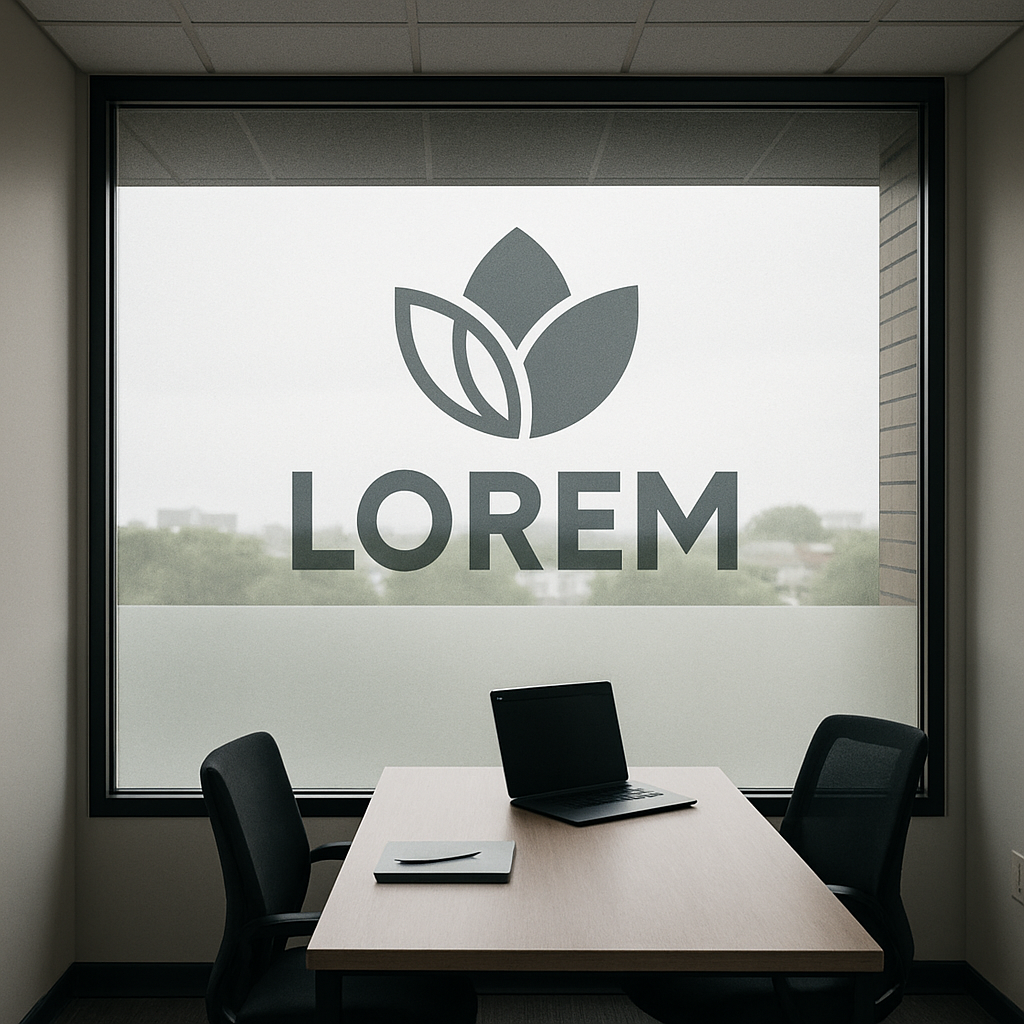
Office window with privacy film

by The Quiet Marketer (https://unsplash.com/@thequietmarketer)

One of the challenges in interior design is balancing privacy with natural light. Heat reducing window film can provide privacy without sacrificing light, thanks to its reflective properties. This makes it ideal for spaces like bathrooms and bedrooms, where privacy is essential.

Installation and Maintenance

Professional Installation

For the best results, it’s advisable to hire a professional to install heat reducing window film. Professional installers have the expertise and tools needed to ensure a flawless application, avoiding common issues like bubbles or peeling.

Easy Maintenance

Maintaining window film is straightforward and involves regular cleaning with mild soap and water. Avoid using abrasive cleaners or tools that could scratch the film. With proper care, window films can last for many years, providing long-term benefits.

Addressing Common Concerns

Will It Darken My Rooms?

A common concern among homeowners is whether window film will darken their interiors. While some films have a tinted appearance, there are options available that maintain a clear view while still providing heat reduction benefits. It’s all about selecting the right film to match the desired outcome.

Impact on Window Warranty

It’s essential to check the terms of your window warranty before installing window film, as some manufacturers may void the warranty if aftermarket films are applied. However, many window film manufacturers offer their own warranties, providing coverage for the film and its installation.

Conclusion

Heat reducing window film is a versatile and practical solution for enhancing both the functionality and aesthetics of a space. As an interior designer, offering this innovative solution to your clients can set you apart, providing them with a stylish way to improve energy efficiency and comfort in their homes.

Whether you’re looking to create a more sustainable home, protect furnishings from sun damage, or simply enhance the look of a room, heat reducing window film is a worthy consideration. By understanding its benefits and applications, you can confidently recommend this solution to your clients, helping them achieve their design and energy efficiency goals.