# Frequently Asked Questions About Best Home Window Film For Heat Rejection
As temperatures rise, homeowners often seek effective ways to keep their homes cool without over-relying on air conditioning. One of the most efficient solutions is window film for heat rejection. Here, we answer some frequently asked questions about the best home window film for heat rejection, helping you make an informed decision that enhances your living space.
What Is Window Film for Heat Rejection?
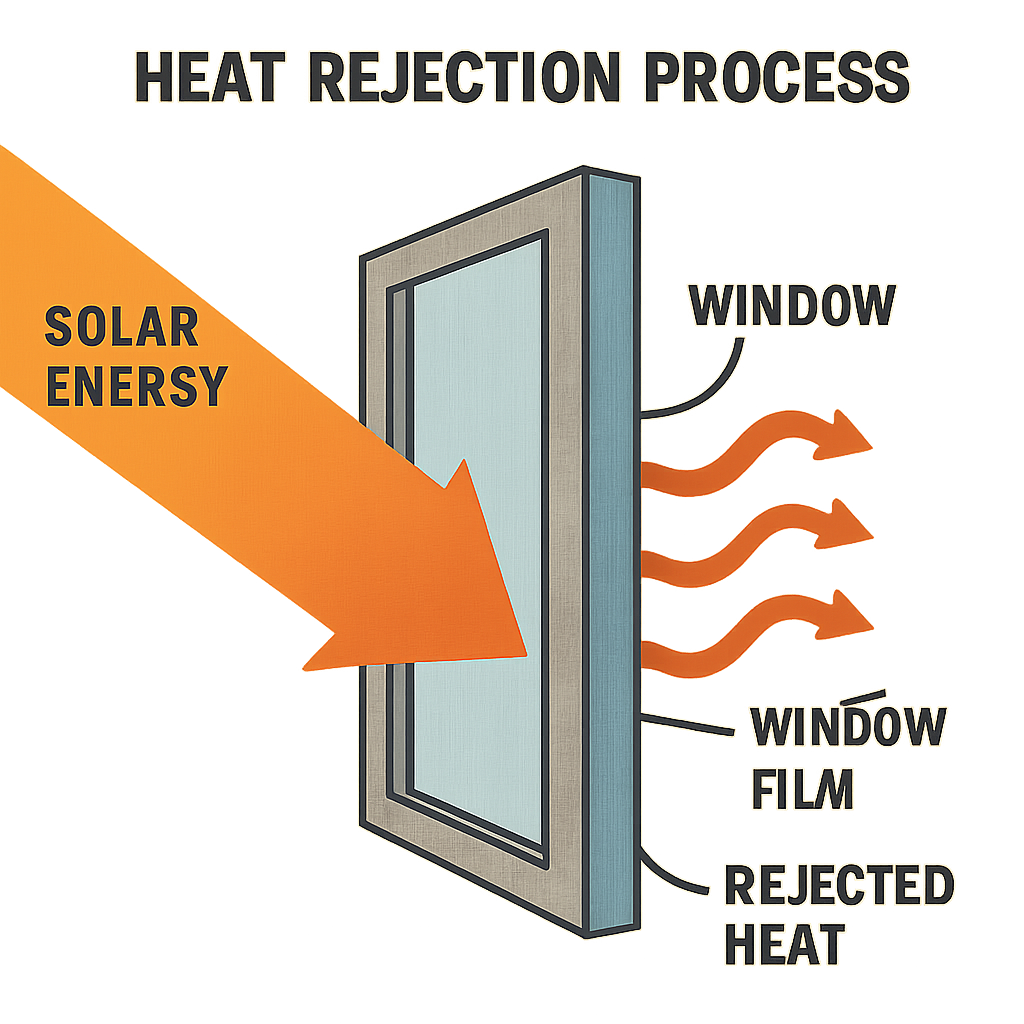
Window film for heat rejection is a thin layer of film that is applied to the interior side of windows. It’s designed to reflect and absorb sunlight, reducing the amount of heat that enters your home. This type of film not only helps in maintaining a cooler indoor temperature but also protects your interior furnishings from sun damage. According to the U.S. Department of Energy, properly selected window films can significantly reduce solar heat gain and improve overall energy performance.
How Does Window Heat Film Work?
Window heat film works by blocking a significant portion of the sun’s infrared heat and ultraviolet (UV) rays. These films are engineered with advanced technology that allows them to selectively filter light, providing heat rejection while still allowing natural light to illuminate your space. Some films are also tinted or have reflective coatings that enhance their heat-rejection capabilities. Many high-performance films can block up to 99% of harmful UV radiation, as supported by research from the American Cancer Society.
What Are the Benefits of Using Window Insulation Film?
Using window insulation film brings numerous advantages, including:
- Energy Efficiency: By reducing the amount of heat entering your home, window films decrease the need for air conditioning, leading to lower energy bills.
- UV Protection: They block up to 99% of harmful UV rays, protecting your furniture, flooring, and artwork from fading.
- Glare Reduction: Films can help minimize glare on screens, making it more comfortable to watch TV or use computers.
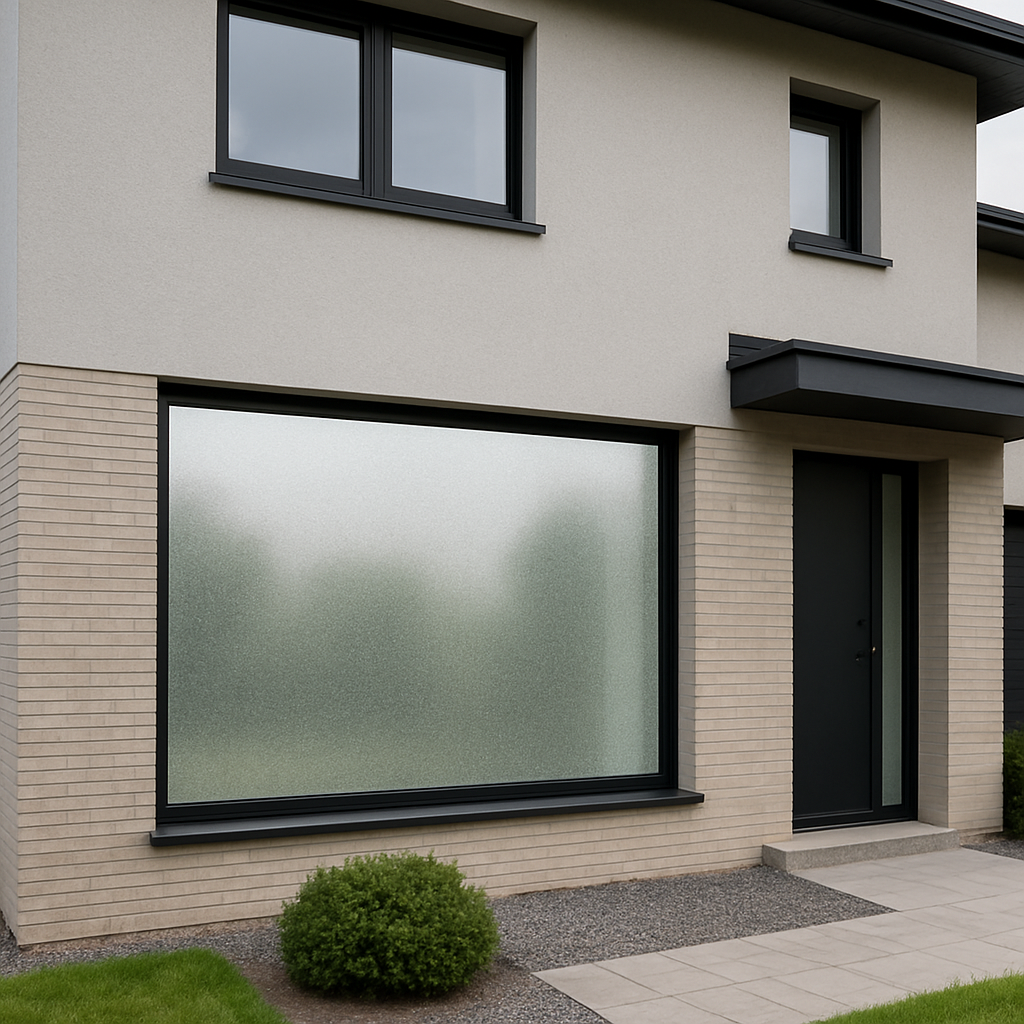
- Enhanced Privacy: Reflective films provide added privacy during the day without compromising your view outside.
- Improved Comfort: By maintaining a consistent temperature, window films enhance overall indoor comfort.
What Types of Window Films Are Available?
There are various types of window films designed for different purposes. Here are some popular options. If you’re looking to better understand the full benefits and types of window film, exploring detailed comparisons can help you choose the right solution for your home:
Solar Control Film
Solar control films are specifically designed for heat rejection. They come in various shades and reflective levels, allowing you to choose the one that best suits your needs and aesthetic preferences.
Decorative Film
While primarily used for aesthetic purposes, decorative films can also offer some heat rejection benefits. They are available in numerous patterns and colors to enhance your interior design.
Security Film
Security films are thicker and provide protection against break-ins and natural disasters. While not primarily for heat rejection, they can offer some degree of insulation.
Low-E Film
Low-emissivity (Low-E) films are designed to improve insulation by reflecting heat back inside during the winter and blocking heat in the summer, providing year-round energy efficiency.
How to Choose the Best Home Window Film for Heat Rejection?
Choosing the right window film depends on several factors:
- Climate: Consider the typical weather conditions in your area. In hotter climates, films with higher heat rejection are preferable.
- Window Orientation: Windows facing south or west receive more sunlight and may require films with higher heat rejection capabilities.
- Aesthetic Preferences: Decide whether you prefer clear films, tinted films, or reflective films based on your privacy needs and style preferences.
- Budget: Window film prices can vary, so consider your budget when selecting a film. Keep in mind that higher-quality films often provide better performance and longevity.
How Is Window Film Installed?

Photo by Dzmitry Biahanski on Unsplash
Installation can be done professionally or as a DIY project. However, professional installation is recommended for the best results. The process involves cleaning the window, cutting the film to size, and carefully applying it without air bubbles. Professionals have the experience and tools to ensure a flawless finish.
Can Window Film Be Applied to All Types of Windows?
Most window films can be applied to standard glass windows, but there are exceptions. Films should not be applied to certain types of glass, such as textured or frosted glass, as it can cause damage. Always check the manufacturer’s recommendations to ensure compatibility with your windows.
Is Window Film a Permanent Solution?
Window film is not permanent and can be removed if desired. However, removing the film may require professional assistance to ensure the adhesive is fully cleaned off the glass. This makes it a flexible solution for those who may want to change their window treatments in the future.
How Long Does Window Film Last?
The lifespan of window film varies based on the type of film and the conditions it’s exposed to. High-quality films installed by professionals can last up to 15 years, while others may need replacement sooner. Regular maintenance and cleaning can help extend the film’s lifespan.
Conclusion
Window film for heat rejection is a practical and cost-effective solution for improving home comfort and energy efficiency. By understanding the different types of films and their benefits, you can select the best option for your home. Whether you opt for professional installation or a DIY approach, window films offer a range of benefits that enhance your living space while protecting your interior from the sun’s harsh effects.
For more detailed guidance tailored to your specific needs, consider consulting with a professional window film installer. Their expertise can ensure you achieve the best results for your home.