Categories
Window Tinting and Films

Best Kept Secrets About Blackout Window Film

When it comes to enhancing the aesthetics and privacy of a home, blackout window film is a solution that interior designers and homeowners alike should not overlook. This versatile product offers numerous benefits, from improved energy efficiency to increased privacy and style. In this article, we’ll delve into the best-kept secrets about blackout window film and explore why it might be the perfect addition to your home improvement repertoire.

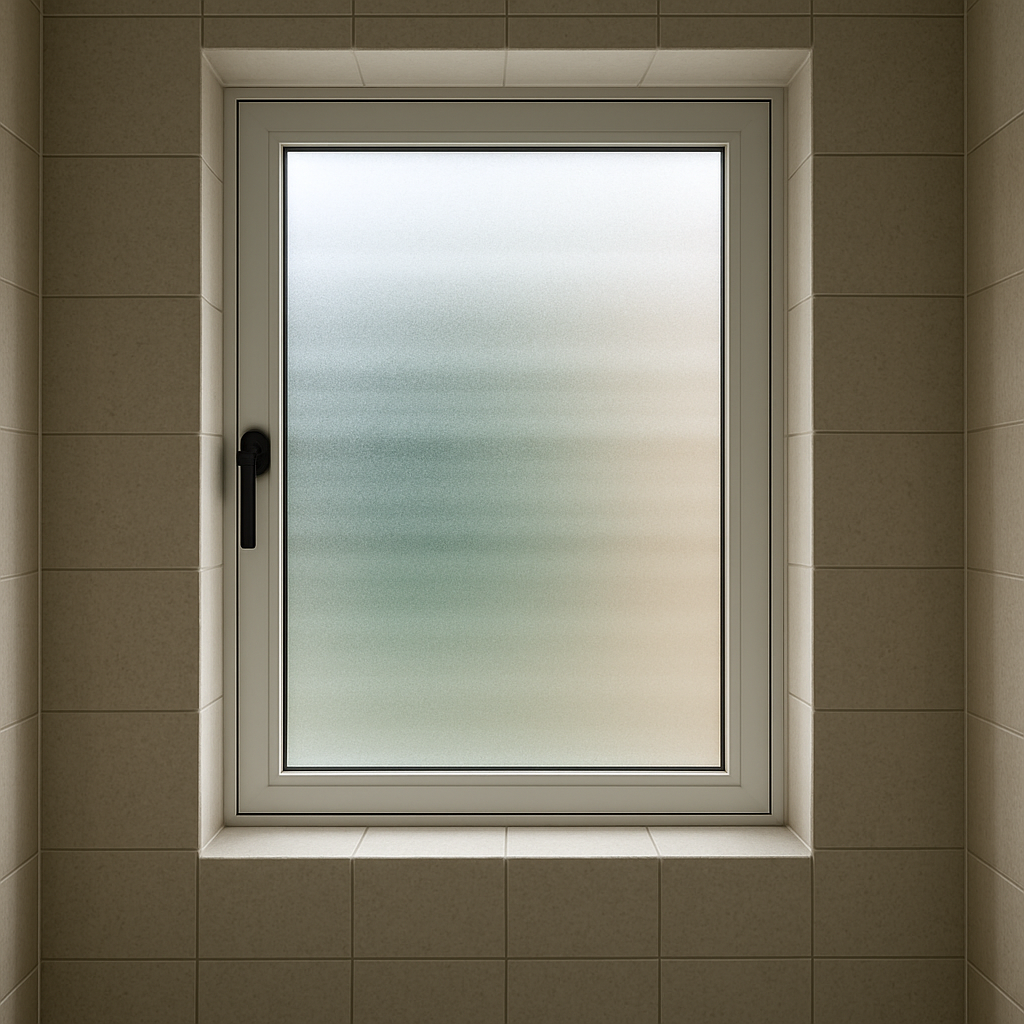
Blackout window film is a type of privacy window film designed to completely block out light from entering through the windows. It’s made from durable materials that can withstand exposure to sunlight and the elements while maintaining its appearance and functionality over time. This film is available in various finishes and styles to suit different aesthetic preferences and functional needs.

Key Benefits of Blackout Window Film

  1. Enhanced Privacy: One of the primary reasons homeowners choose blackout film is for privacy. Whether you live in a bustling urban area or a quiet neighborhood, blackout window film ensures that prying eyes can’t see into your home, giving you peace of mind.
  2. Improved Energy Efficiency: Blackout window film helps regulate the temperature inside your home. By blocking out the sun’s rays, it can significantly reduce heat gain during the summer, leading to lower energy bills as your air conditioning unit won’t have to work as hard.
  3. Protection Against UV Rays: The film blocks harmful UV rays from entering your home, protecting your skin from potential damage and preventing your furniture and flooring from fading over time.
  4. Versatile Aesthetic Options: With a range of colors and finishes available, blackout film can complement any interior design style, from modern to traditional. It’s an easy way to add a sleek, sophisticated touch to any room.
  5. Cost-Effective Solution: Compared to other window treatments, blackout window film is a cost-effective way to enhance your home’s functionality and appearance without breaking the bank.

Installation Insights

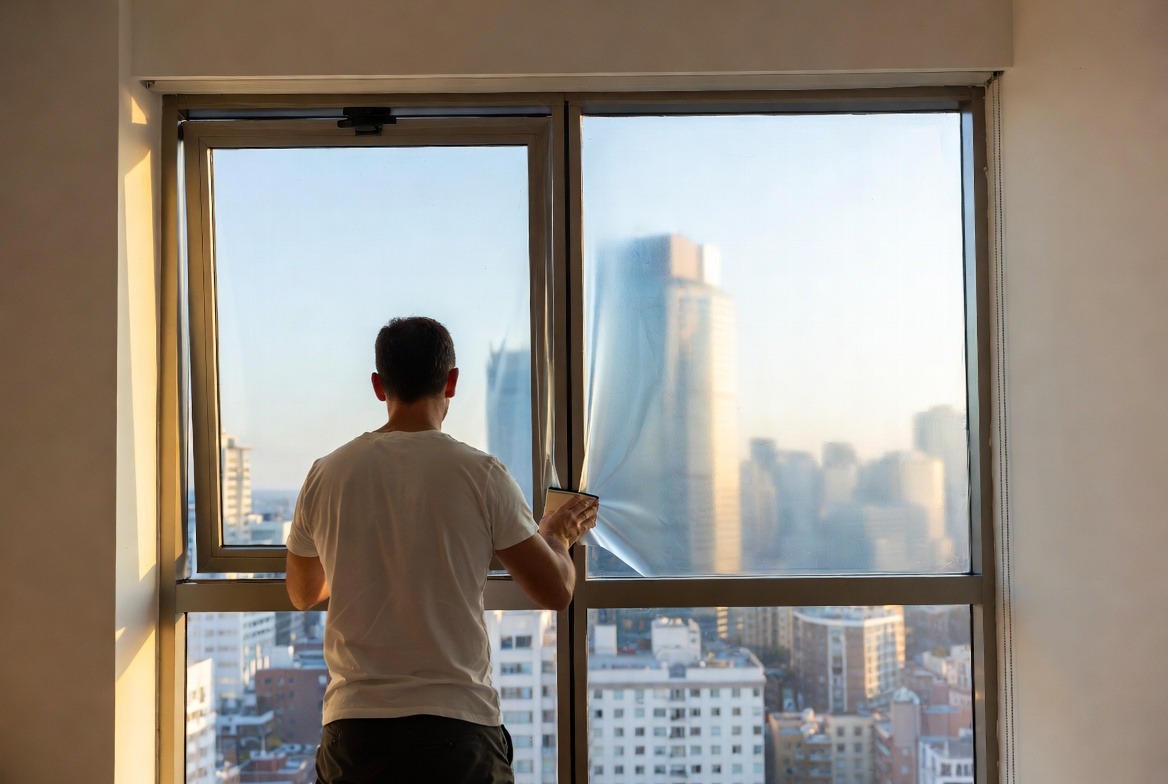
Professional installation of window film

DIY vs. Professional Installation

Deciding between doing it yourself and hiring a professional for installation can significantly impact the results. While DIY installation might seem cost-effective, professional installation ensures precision and longevity. A professional installer will have the expertise to handle any challenges during the process, ensuring a flawless finish.

Steps to Install Blackout Window Film

  1. Clean the Windows: Before installation, ensure the windows are thoroughly cleaned to prevent dust and debris from getting trapped under the film.
  2. Measure and Cut the Film: Carefully measure your window and cut the film to size, leaving a slight margin for adjustments.
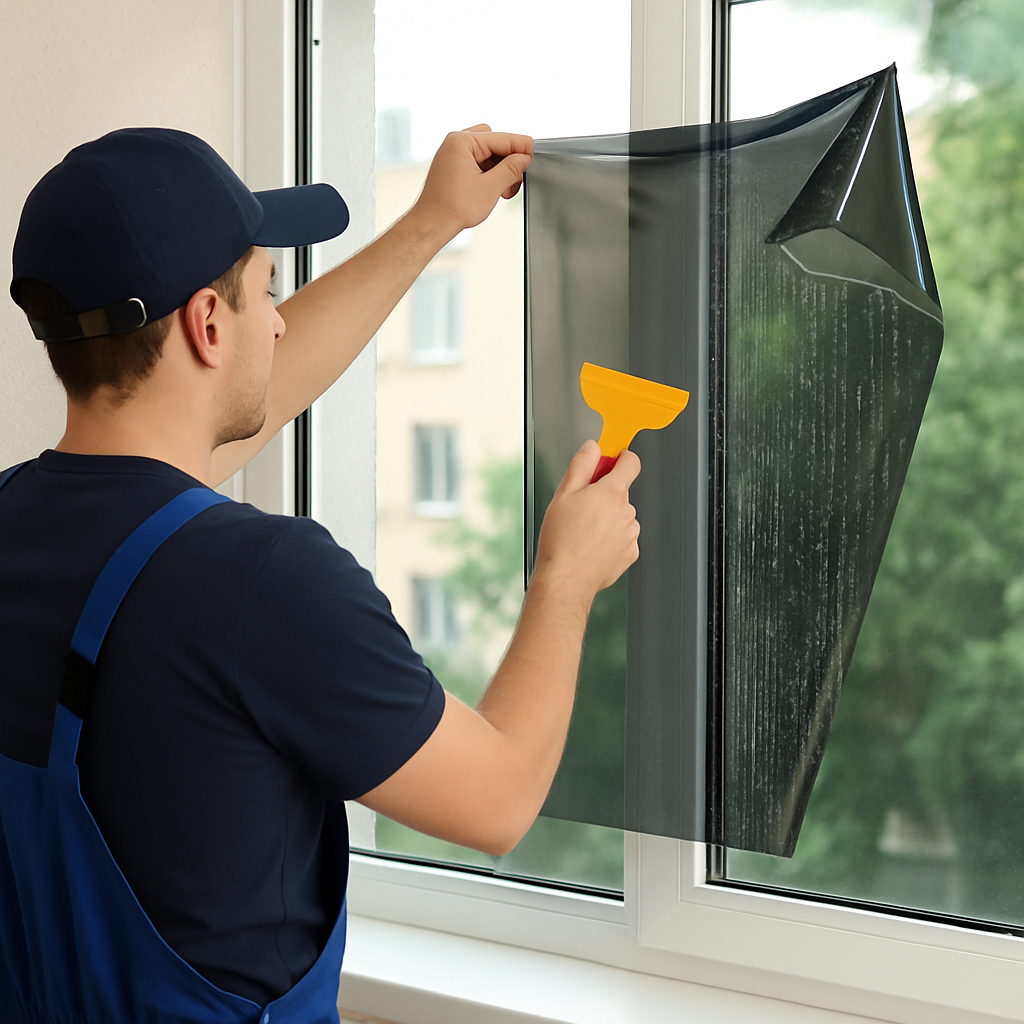
  3. Apply the Film: Use a squeegee to apply the film to the window, starting at the top and working your way down. Ensure there are no air bubbles or wrinkles.
  4. Trim Excess Film: Once applied, trim any excess film from the edges for a neat finish.
  5. Smooth Out the Surface: Use a squeegee to smooth out the film again, ensuring it adheres properly to the glass.

Innovative Uses of Blackout Window Film

Creative Interior Design Applications

Interior designers are increasingly using blackout window film in creative ways beyond traditional applications. Here are some innovative uses:

  • Accent Walls: Use blackout film on glass partitions or sliding doors to create striking accent walls that add depth and contrast to a room.
  • Artistic Patterns: Opt for films with artistic patterns or designs to add a unique touch to windows, creating a focal point in any space.
  • Themed Rooms: Use different colors or patterns of blackout film to align with specific themes, such as nautical, rustic, or minimalist, enhancing the overall ambiance.

Enhancing Home Theaters

Blackout window film is also a perfect solution for home theaters, where controlling light is crucial for an optimal viewing experience. It ensures that no external light disrupts your movie nights, providing a cinema-like atmosphere right at home.

Maintenance and Longevity

Window film cleaning tools

by Fujiphilm (https://unsplash.com/@fujiphilm)

To ensure your blackout window film remains in top condition, regular maintenance is essential. Here’s how to care for your film:

  • Regular Cleaning: Use a soft cloth and a gentle cleaning solution to wipe down the film regularly. Avoid abrasive cleaners that might scratch the surface.
  • Avoid Sharp Objects: Be cautious with sharp objects near the windows to prevent accidental damage to the film.
  • Inspection for Wear and Tear: Periodically inspect the film for any signs of wear and tear. Promptly addressing minor issues can prevent them from becoming more significant problems.

Conclusion

Blackout window film is a hidden gem in the world of home improvement, offering a blend of functionality, privacy, and style. Its ability to enhance energy efficiency, protect against UV rays, and complement various interior design styles makes it an invaluable addition to any home.

Whether you’re an interior designer looking for cost-effective solutions for your clients or a homeowner seeking to improve your living space, blackout window film is a versatile and practical choice. With professional installation and proper maintenance, it can serve your home beautifully for years to come. So why not explore the possibilities and let the secrets of blackout window film transform your space today?

Categories
Window Tinting and Films

Frequently Asked Questions About Safety Film For Windows

Homeowners today are increasingly conscious of enhancing the safety and security of their living spaces. One effective way to achieve this is by installing safety film for windows. This straightforward solution not only adds an extra layer of protection but also offers various other benefits. In this article, we’ll address some of the most frequently asked questions about safety film for windows, providing you with the information you need to make an informed decision.

Safety film for windows, also known as window security film or window protection film, is a thin, flexible material applied to glass surfaces. It is designed to hold glass fragments together if the window is shattered, reducing the risk of injury from flying glass and making it more difficult for intruders to break in.

Safety film works by adhering to the glass surface and reinforcing it against impact. In the event of a breakage, the film holds the broken pieces together, minimizing the risk of injury and preventing easy access through the window. This attribute makes safety film an excellent choice for homes, offices, and commercial spaces looking to enhance security and safety.

!Enhanced window protection()

Safety film offers a multitude of benefits beyond its primary function of reinforcing glass. Here are some key advantages:

Safety film adds an extra layer of security, making it more difficult for burglars to gain entry. The film’s strength and durability mean that even if the glass is broken, it stays in place, acting as a deterrent to intruders.

Many safety films also provide UV protection, blocking up to 99% of harmful ultraviolet rays. This feature helps protect your furniture, flooring, and artwork from fading due to sun exposure, extending their lifespan. According to the Skin Cancer Foundation, window films can significantly reduce UV radiation indoors.

Certain types of safety film can improve a building’s energy efficiency by reducing heat gain in the summer and heat loss in the winter. This leads to a more comfortable indoor environment and can contribute to lower energy bills. The U.S. Department of Energy notes that window films can help improve energy performance by reducing solar heat gain.

Safety films can also reduce glare from the sun, making it easier to watch TV or work on a computer screen without straining your eyes.

Available in various shades and finishes, safety film can enhance the aesthetic appeal of your windows while providing privacy and security.

The installation of safety film is a straightforward process that can typically be completed in a few hours, depending on the number of windows and their size. Here’s a brief overview of the installation process:

The first step involves thoroughly cleaning the window surface to remove any dirt, dust, or debris. This ensures that the film adheres properly to the glass.

Next, the film is cut to size, leaving a small margin around the edges to ensure a snug fit. The film is then carefully applied to the glass surface, using a squeegee to remove air bubbles and ensure a smooth finish.

Finally, any excess film is trimmed away, and the edges are sealed to prevent peeling. The film is left to cure, allowing the adhesive to bond securely to the glass.

Safety film can be applied to most types of glass, including single-pane, double-pane, and tempered glass. However, it’s essential to consult with a professional installer to determine the best type of film for your specific windows and to ensure proper installation.

Yes, there are various types of safety film available, each designed to meet specific needs. Some films are clear, while others are tinted or reflective, offering additional privacy and energy-saving benefits. It’s important to choose the right type of film based on your requirements and preferences.

The longevity of safety film depends on several factors, including the quality of the film, the installation process, and the environmental conditions. Generally, high-quality safety films can last between 10 to 20 years with proper care and maintenance.

To extend the life of your safety film, it’s essential to clean your windows regularly using a soft cloth or sponge and a mild, non-abrasive cleaner. Avoid using harsh chemicals or abrasive materials that could damage the film.

Yes, safety film can be removed if necessary, although the process can be time-consuming and may require professional assistance. It’s essential to be cautious during removal to avoid damaging the glass or leaving adhesive residue.

Homeowners might choose to remove safety film for various reasons, such as replacing it with a different type of film, moving to a new property, or refurbishing their home.

The cost of safety film varies depending on factors such as the type of film, the size and number of windows, and the complexity of the installation. On average, homeowners can expect to pay between $5 to $15 per square foot for professional installation. While this may seem like a significant investment, the added security, energy efficiency, and UV protection make it a worthwhile expense.

!Home security and safety()

Safety film for windows is an excellent investment for homeowners looking to enhance security, improve energy efficiency, and protect their interiors from UV damage. By addressing these frequently asked questions, we hope to provide you with the information needed to make an informed decision about installing safety film in your home. Whether you’re an interior designer seeking innovative solutions for your clients or a homeowner prioritizing safety and aesthetics, safety film is a versatile and practical choice for any living space.

Categories
Window Tinting and Films

How Window Tinting Adds a Layer of Cold Weather Protection

# How Window Tinting Adds a Layer of Cold Weather Protection

When it comes to enhancing comfort and energy efficiency in your home, window tinting might not be the first solution that comes to mind. Most people associate window films with reducing glare and blocking UV rays during the summer months. However, did you know that window tinting can also add a layer of cold weather protection to your home?

This article will explore how window tinting contributes to energy efficiency, helps maintain indoor comfort, and offers a stylish, eco-friendly solution for homeowners and interior designers.

What is Thermal Window Tint?

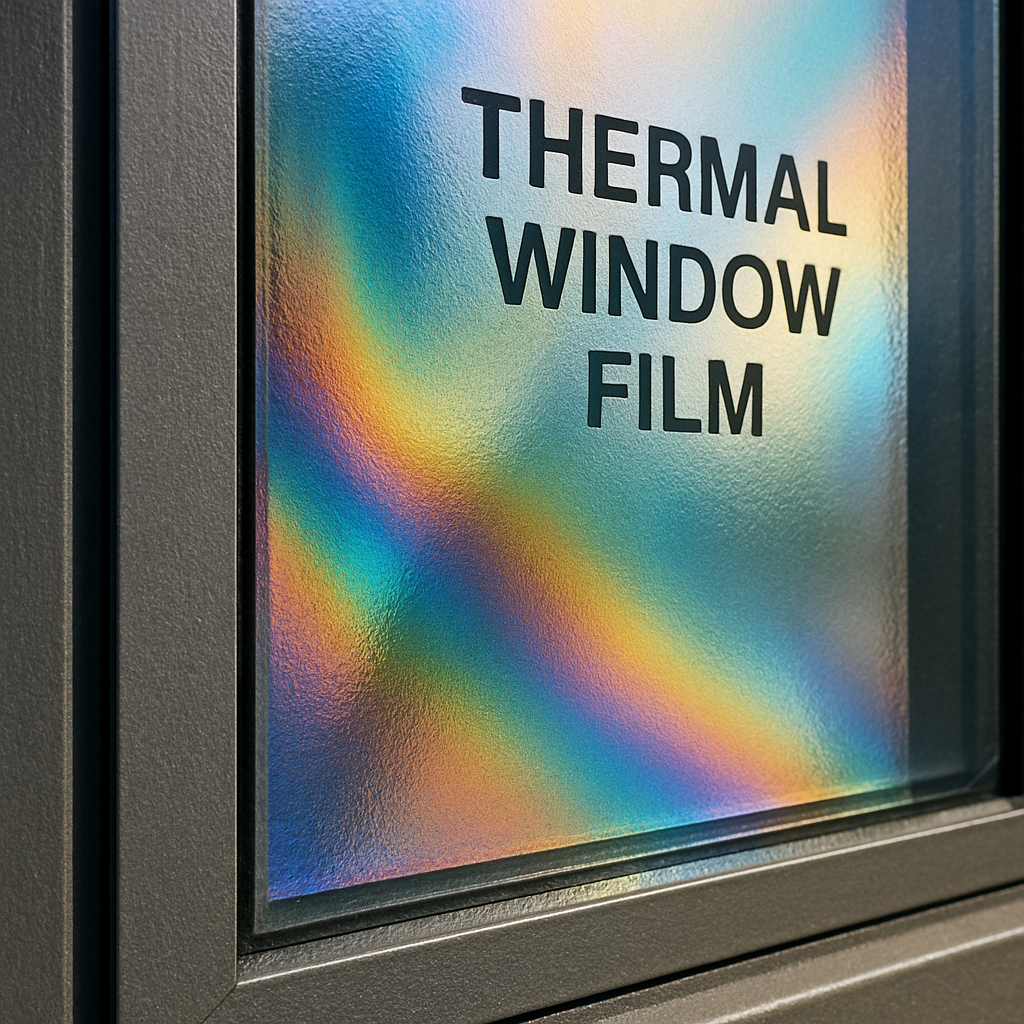
Thermal window tint, also known as insulating window film, is a specialized type of window film designed to improve the insulation properties of your windows. Unlike traditional window films that focus solely on blocking sunlight, thermal tints are engineered to reduce heat transfer through windows.

By reflecting heat back into the room during colder months and blocking excessive heat during warmer months, these films help maintain a consistent indoor temperature. This makes them an ideal year-round solution for energy efficiency and comfort.

How Does It Work?

Thermal window tints work by using advanced materials that reflect infrared heat while allowing visible light to pass through. This technology keeps the heat inside your home during the winter, reducing the need for excessive heating. During summer, it prevents excessive heat from entering your home, keeping it cooler without over-relying on air conditioning.

The result is a more stable indoor climate, which translates into reduced energy consumption and lower utility bills. According to the U.S. Department of Energy, energy-efficient window treatments can significantly improve insulation and reduce heat loss.

Benefits of Window Tinting for Cold Weather Protection

Illustration of heat retention in a home with window tint

Improved Insulation

One of the primary benefits of thermal window tint is its ability to improve the insulation of your windows. Windows are often the weakest link in a home’s insulation, with heat easily escaping through them. By adding a layer of thermal film, you can significantly reduce heat loss and improve the overall energy efficiency of your home.

Energy Savings

By reducing heat loss, thermal window tints help lower your heating costs during the winter months. The energy savings can be substantial, especially in regions with cold climates. Over time, the cost savings on your energy bills can offset the initial investment in window tinting, making it a cost-effective solution for homeowners.

Enhanced Comfort

Thermal window tints contribute to a more comfortable indoor environment by reducing drafts and cold spots near windows. This is particularly beneficial in older homes where windows may not be as well-insulated. With window tinting, you can enjoy a cozy and warm living space without the need for additional heating devices or heavy curtains.

UV Protection

In addition to thermal benefits, window tints offer protection from harmful UV rays. While UV rays are more of a concern in summer, they can still cause damage to your furniture, flooring, and artwork during the winter months. Window tints help block up to 99% of UV rays, preserving the longevity of your interiors. The U.S. Environmental Protection Agency explains how UV exposure affects materials and indoor environments.

Stylish and Eco-Friendly Solution

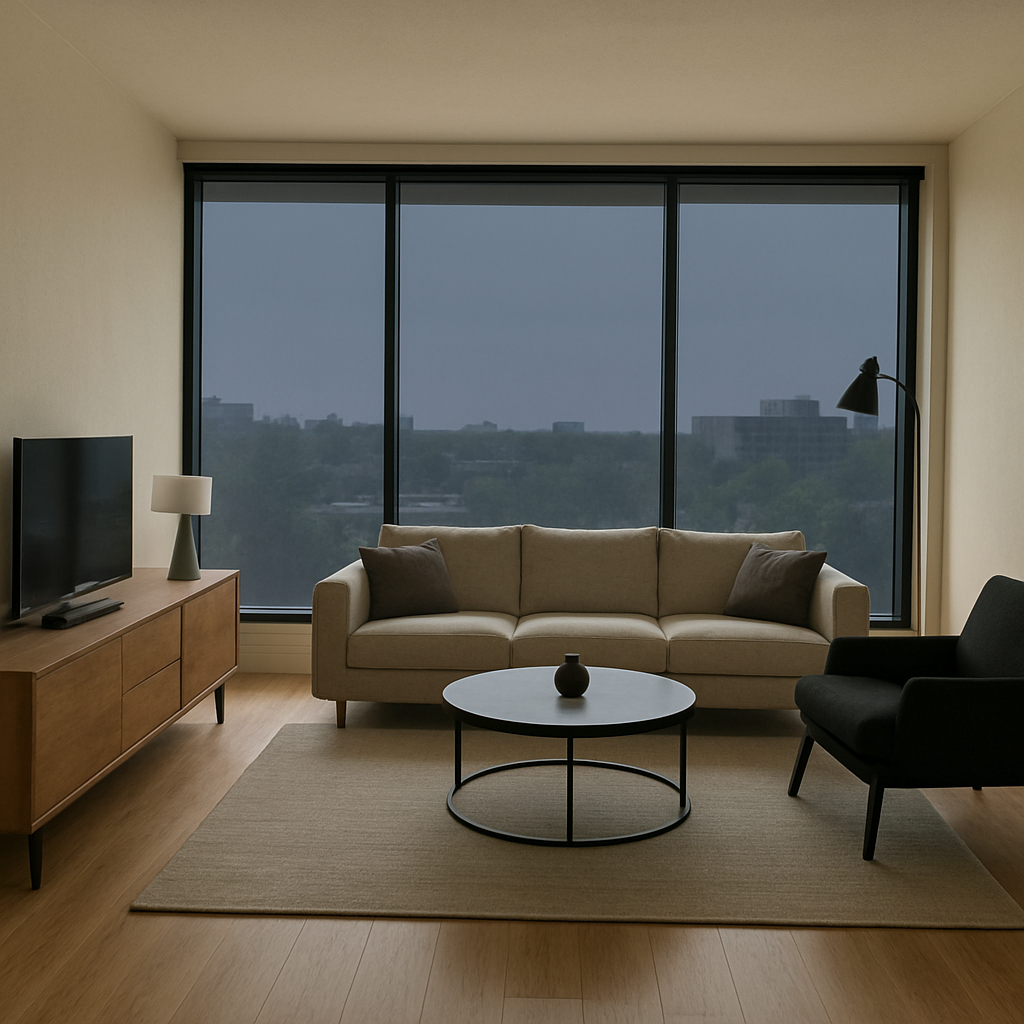
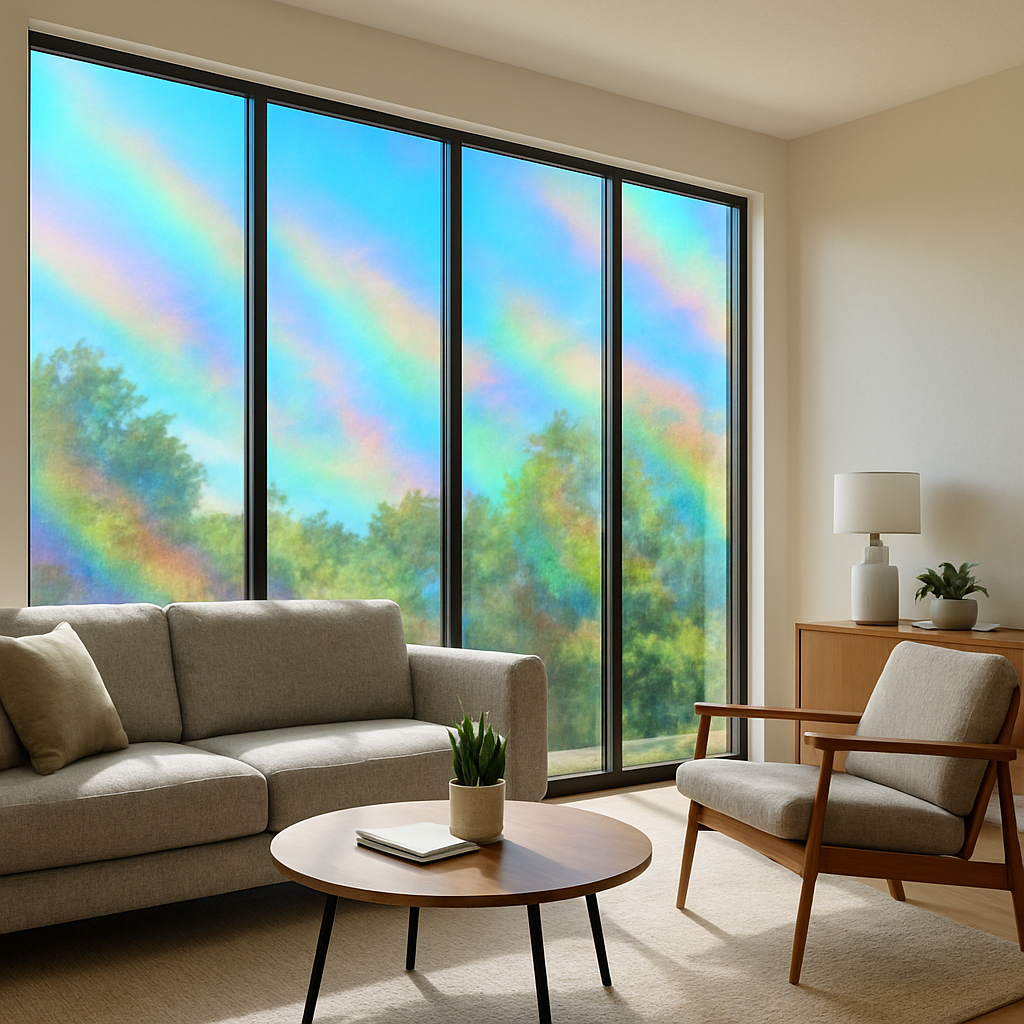
Modern living room with tinted windows

by Evan Wise (https://unsplash.com/@evanthewise)

Aesthetic Appeal

Window tints come in a variety of shades and finishes, allowing you to choose a style that complements your home’s interior design. Whether you prefer a subtle, barely-there look or a more reflective finish, there are options to suit every taste and style. This makes window tinting an attractive choice for interior designers looking to enhance both aesthetics and functionality.

Eco-Friendly Choice

By improving energy efficiency and reducing reliance on heating and cooling systems, window tinting supports eco-friendly living. Lower energy consumption translates into reduced greenhouse gas emissions, making window tinting a sustainable choice for environmentally conscious homeowners.

Installation and Maintenance

Professional Installation

For the best results, it’s recommended to have thermal window tints professionally installed. A skilled installer will ensure that the film is applied smoothly and without bubbles, ensuring maximum performance and longevity. Professional installation also typically comes with a warranty, offering peace of mind for your investment. To find professional installers for window films, it’s important to choose experienced specialists who understand proper application techniques.

Easy Maintenance

Maintaining window tints is simple and straightforward. Regular cleaning with a mild soap solution and a soft cloth will keep your windows looking clear and bright. Avoid using abrasive materials or harsh chemicals, as these can damage the film.

Conclusion

Window tinting offers an effective and stylish solution for enhancing the comfort and energy efficiency of your home, particularly during the colder months. By adding a layer of thermal window tint, you can reduce heat loss, lower energy bills, and create a more comfortable living environment.

For interior designers, window tinting provides a versatile tool to enhance aesthetics while meeting the growing demand for eco-friendly home improvements. Whether you’re looking to upgrade your own home or offer clients innovative solutions, window tinting is a valuable addition to any home improvement strategy.

Incorporate thermal window tinting into your design plans and discover the benefits of this multifunctional solution. Embrace the opportunity to enhance both the look and energy performance of your living spaces, and enjoy the peace of mind that comes with making a smart, sustainable choice.