Categories
Window Tinting and Films

How to Keep Your Window Film Looking Crystal Clear

Maintaining the pristine look of your window films is essential to enhance the beauty and functionality of your living spaces. High-quality window films, like those offered by 3M, not only elevate the aesthetic appeal of your interiors but also provide energy efficiency and UV protection. However, to keep them looking their best, a little care and maintenance go a long way. In this guide, we will explore effective strategies for window film maintenance, ensuring they remain crystal clear and serve their purpose for years to come.

Window film acts as a shield against harmful UV rays and reduces glare while offering an extra layer of privacy. Over time, dust, smudges, and other environmental factors can affect their appearance and performance. According to the U.S. Environmental Protection Agency, limiting UV exposure is important for protecting both skin and interior furnishings. Regular maintenance ensures that your window films remain effective and visually appealing.

Benefits of Regular Maintenance

  1. Prolongs Lifespan: Proper care can significantly extend the life of your window film, saving you money on replacements.
  2. Maintains Clarity: Regular cleaning prevents the accumulation of dirt and grime, ensuring your view remains unobstructed.
  3. Preserves Energy Efficiency: Clean window films continue to reflect heat effectively, contributing to reduced energy bills. The U.S. Department of Energy notes that efficient window solutions can play a major role in lowering household energy use.

Best Practices for Cleaning Window Films

Cleaning supplies for window film

Cleaning window films requires a gentle touch to avoid scratching or damaging the film. Here are some best practices to follow:

Use the Right Cleaning Solutions

When it comes to cleaning window films, not all solutions are created equal. Avoid using ammonia-based products as they can damage the film. Instead, opt for a mild, non-abrasive cleaner or a mixture of water and dish soap.

Gentle Cleaning Tools

Use a soft cloth or a microfiber towel to clean the film. Harsh materials like steel wool or rough sponges can scratch the surface. A squeegee can also be used to remove excess water and prevent streaks.

Step-by-Step Cleaning Process

  1. Dust First: Use a dry cloth or duster to remove surface dust.
  2. Prepare the Solution: Mix a few drops of dish soap with water in a spray bottle.
  3. Spray the Film: Lightly spray the solution onto the window film.
  4. Wipe Gently: Use a soft cloth to wipe the film in a circular motion.
  5. Dry Completely: Use a squeegee or a dry microfiber cloth to remove any excess solution and prevent water spots.

Protecting Window Films from Damage

Sunlight streaming through a window

by Lhar Capili (https://unsplash.com/@lhardeleon)

While cleaning is crucial, protecting your window films from potential damage is equally important. Here are some tips to ensure your films remain intact:

Avoid Direct Contact

Keep sharp objects and abrasive materials away from the film. This includes pets’ claws, furniture edges, and any tools that might scratch the surface.

Manage Indoor Temperature

Excessive heat can cause some window films to bubble or peel. Ensure that your indoor temperature is regulated, especially during extreme weather conditions. Using curtains or blinds can also help protect the film from direct sunlight.

Educate Household Members

Make sure everyone in the household is aware of the proper handling of window films. This includes not using harsh chemicals or scrubbing the film aggressively.

Common Issues and Solutions

Despite your best efforts, issues may arise. Here’s how to address some common problems:

Film Peeling

Peeling can occur due to improper installation or exposure to extreme conditions. If you notice peeling, consider reapplying the film or consulting a professional for repairs.

Bubbling

Bubbles under the film often indicate trapped air or dust during installation. Small bubbles may disappear over time, but persistent bubbles may require a professional to reapply the film.

Scratches

Minor scratches can sometimes be buffed out with a soft cloth and a gentle cleaner. For deeper scratches, replacing the affected section may be necessary.

Choosing the Right Window Film

Selecting a high-quality window film is the first step towards easy maintenance and long-lasting performance. Brands like 3M offer films with advanced features such as UV protection, anti-glare, and energy efficiency. Investing in a reputable brand ensures you receive a product designed to withstand the test of time.

Considerations for Selection

  1. UV Protection: Choose films that block a high percentage of UV rays to protect your interiors from fading.
  2. Heat Rejection: Opt for films that offer excellent heat rejection to enhance energy efficiency.
  3. Aesthetic Appeal: Select films that complement your interior design and offer the desired level of privacy.

Conclusion

Maintaining your window films doesn’t have to be a daunting task. By following these simple cleaning and protection tips, you can keep your films looking crystal clear and performing at their best. Regular maintenance not only preserves the aesthetic and functional benefits of window films but also extends their lifespan, offering you more value for your investment.

Remember, whether you’re an interior designer seeking to enhance your client’s space or a homeowner looking to improve energy efficiency, the right care and maintenance of window films can make all the difference. With a little effort and the right products, your window films will continue to shine brightly, enhancing the beauty and comfort of your home.

Categories
Window Tinting and Films

Everything to Know About Window Film Installation Near Me

Window film installation is an excellent way to enhance your home’s comfort, efficiency, and aesthetics. Whether you are an interior designer looking for cost-effective solutions or a homeowner seeking to improve your living space, window film can offer numerous benefits.

In this comprehensive guide, we will explore everything you need to know about window film installation near you. We’ll cover the benefits, types, installation process, and how to choose the right professional service. Let’s dive in!

Window film is a thin laminate that can be installed on the interior or exterior of glass surfaces in homes, offices, and vehicles. It is typically made from polyester and offers a range of benefits, from reducing glare and UV exposure to enhancing privacy and security. According to the U.S. Department of Energy, window films can significantly improve energy efficiency by reducing heat gain through glass.

Benefits of Window Film

Window film offers several advantages:

  • Energy Efficiency: Window films can help reduce energy consumption by blocking heat from the sun, keeping your home cooler in the summer and warmer in the winter. This can lead to significant savings on energy bills.
  • UV Protection: It blocks up to 99% of harmful UV rays, protecting your furniture, flooring, and artwork from fading.
  • Glare Reduction: Window film reduces glare from the sun, making it more comfortable to watch TV or work on a computer.
  • Privacy and Security: Tinted or frosted films provide privacy without compromising natural light. Security films can also hold shattered glass together, adding an extra layer of protection.
  • Aesthetic Appeal: Available in various styles and patterns, window films can enhance the look of your home, complementing any interior design.

Types of Window Film

Different types of window films

There are several types of window films, each designed to meet specific needs:

Solar Control Film

Solar control films are designed to reduce heat and glare. They are ideal for rooms that receive a lot of sunlight, helping to maintain a comfortable indoor temperature.

Decorative Film

Decorative films add style and privacy to your windows. They come in various patterns, colors, and textures, allowing you to customize the look of your space.

Security Film

Security films are thicker than regular window films and are designed to hold glass together if it shatters. This can deter break-ins and protect against accidents or natural disasters. Safety glazing standards from the U.S. Consumer Product Safety Commission emphasize the importance of reinforced glass protection for preventing injuries.

Privacy Film

Privacy films are perfect for areas where you want to maintain natural light while ensuring privacy, such as bathrooms or street-facing windows.

The Window Film Installation Process

The installation process for window film is straightforward but requires precision for the best results. Here’s what to expect:

1. Consultation and Selection

The first step is to consult with a professional to discuss your needs and preferences. They will help you select the right type of film based on your goals, whether it’s energy efficiency, privacy, or aesthetic enhancement.

2. Preparation

Before installation, the windows must be thoroughly cleaned to ensure the film adheres properly. Any dirt or debris can cause bubbles or imperfections in the film.

3. Cutting and Application

The film is then cut to the exact size of your windows. Professionals use precise tools to ensure a perfect fit, avoiding any gaps or overlaps.

4. Final Touches

After application, the film is carefully smoothed out to remove any air bubbles. The edges are trimmed, and the film is inspected to ensure a seamless finish.

Choosing the Right Window Film Professional

Professional window film installation

by Zen Summer (https://unsplash.com/@ispywithmylittleeye)

Selecting a qualified professional for window film installation is crucial to achieving the best results. Here are some tips to guide your choice:

Experience and Reputation

Look for professionals with extensive experience in window film installation. Check reviews and testimonials to gauge their reputation and the quality of their work.

Product Knowledge

A reliable installer should have a deep understanding of different types of window films and their applications. They should be able to recommend the best options for your specific needs.

Warranty and Support

Choose a service provider that offers a warranty on their work and the film itself. This ensures that you are covered in case of defects or installation issues.

Transparent Pricing

Request a detailed estimate before starting the project. A trustworthy professional will provide transparent pricing without hidden fees.

Maximizing the Benefits of Window Film

To make the most of your window film installation, consider these additional tips:

Regular Maintenance

While window films are low maintenance, regular cleaning with a soft cloth and mild detergent will keep them looking their best. Avoid abrasive cleaners that can damage the film.

Combining Solutions

Consider combining window film with other window treatments, such as blinds or curtains, for enhanced privacy and energy efficiency.

Stay Informed

Keep up with new developments in window film technology. Innovations are constantly being made, offering new ways to improve your home’s comfort and efficiency.

Conclusion

Window film installation is a smart investment for any homeowner or interior designer looking to enhance a space’s energy efficiency, privacy, and aesthetic appeal. By understanding the types and benefits of window film, and choosing the right professional for installation, you can transform your windows and enjoy a more comfortable living environment.

Whether you are looking to reduce energy bills, protect your interiors, or simply add a touch of style, window film is a versatile solution that can meet a variety of needs. So, if you’re considering window film installation near you, now is the time to explore this innovative home improvement option.

Categories
Window Tinting and Films

Step-by-Step Guide to Applying Window Tint Film

Applying window tint film is a practical and stylish solution for enhancing your living space. Whether you’re aiming to reduce glare, increase privacy, or improve energy efficiency, window tinting can meet these needs effectively. This guide will walk you through the process of applying window tint film, ensuring a professional finish without the professional price tag.

Window tint film offers several advantages that make it a popular choice for homeowners and interior designers alike.

Energy Efficiency

By blocking a significant amount of solar heat, window tinting reduces the need for air conditioning during the warmer months, thereby lowering energy bills. According to the U.S. Department of Energy, window treatments that reduce heat gain can significantly improve indoor energy efficiency.

UV Protection

Tinted windows block up to 99% of harmful ultraviolet rays, protecting your furniture, flooring, and other interior elements from fading. The Environmental Protection Agency (EPA) confirms that limiting UV exposure is essential for protecting both skin and interior materials.

Enhanced Privacy and Security

Tint films provide an extra layer of privacy by making it difficult for outsiders to see inside during the day. They also offer an added measure of security by holding glass together if it breaks.

Improved Aesthetics

Tinted windows can enhance the overall look of your home, giving it a sleek and modern appearance.

Tools and Materials Needed

Before you start the application process, gather the following tools and materials:

  • Window tint film (pre-cut to the size of your windows)
  • Spray bottle filled with a mixture of soap and water
  • Squeegee
  • Utility knife
  • Lint-free cloth or paper towels
  • Measuring tape
  • Straight edge or ruler

Step-by-Step Application Process

window_tint_application

Step 1: Measure and Cut the Film

Begin by measuring the dimensions of the window you wish to tint. It’s crucial to measure both the height and width accurately. Once measured, roll out the window tint film on a clean surface and use a utility knife to cut the film slightly larger than the window itself. This excess will be trimmed off later for a perfect fit.

Step 2: Clean the Window

A clean surface is vital for a successful application. Use a lint-free cloth and the soap-water solution to thoroughly clean the window, ensuring all dust, grease, and debris are removed. Pay special attention to the corners and edges, as any residue can cause bubbles or peeling later.

Step 3: Wet the Window

Spray the window generously with the soap-water solution. This step is crucial as it allows you to slide the film into the correct position and helps prevent the film from sticking prematurely.

Step 4: Apply the Tint Film

Peel the backing off the tint film, revealing the adhesive side. Carefully place the film onto the wet window, starting from the top and working your way down. The soap-water solution will help you reposition the film as needed.

Step 5: Squeegee the Film

Once the film is in place, use a squeegee to remove any air bubbles and excess water. Start from the center and work your way towards the edges, applying firm and even pressure. Take your time during this step to ensure a smooth, bubble-free finish.

Step 6: Trim the Excess Film

With the film securely in place, use a utility knife and a straight edge to trim away any excess film along the edges of the window. This will give you a clean and professional look.

Step 7: Final Inspection and Drying

Inspect the film for any remaining bubbles or imperfections. Use the squeegee to address these areas if necessary. Allow the film to dry for at least 24 hours before cleaning or touching the surface.

Tips for Success

window_tint_tips

by Aditya Shetty

  • Work in a Dust-Free Environment: Any dust particles trapped between the film and the window can cause bubbles.
  • Avoid Direct Sunlight: Apply the film in a shaded area to prevent the solution from drying too quickly.
  • Take Your Time: Rushing through the process can lead to mistakes. Ensure each step is completed thoroughly for the best results.

Common Mistakes to Avoid

  • Improper Cleaning: Ensure the window is completely free of dirt and debris before application.
  • Incorrect Measurements: Double-check your measurements before cutting the film.
  • Ignoring Bubbles: Address any bubbles immediately with a squeegee to prevent them from becoming permanent.

The Final Verdict

Window tint film application is a cost-effective way to enhance the appearance and functionality of your windows. With the right tools and a careful approach, you can achieve professional results without the need for a professional installer. Whether you’re an interior designer looking to offer stylish solutions or a homeowner seeking to improve energy efficiency, window tinting is a versatile and valuable addition to any space.

Incorporating window tinting into your home improvement projects not only elevates the aesthetic appeal of a space but also provides practical benefits that align with modern living needs. By following this step-by-step guide, you can confidently apply window tint film and enjoy the myriad benefits it brings to your home.

Categories
Window Tinting and Films

Ways to Maximize Benefits with Mirror Tint For House Windows

In the quest to enhance the beauty and functionality of living spaces, homeowners and interior designers are increasingly turning to innovative solutions. One such solution is mirror tint for house windows, a versatile and stylish option that offers a host of benefits. In this article, we will explore how you can maximize these benefits, providing you with valuable insights to make informed decisions about home window tinting.

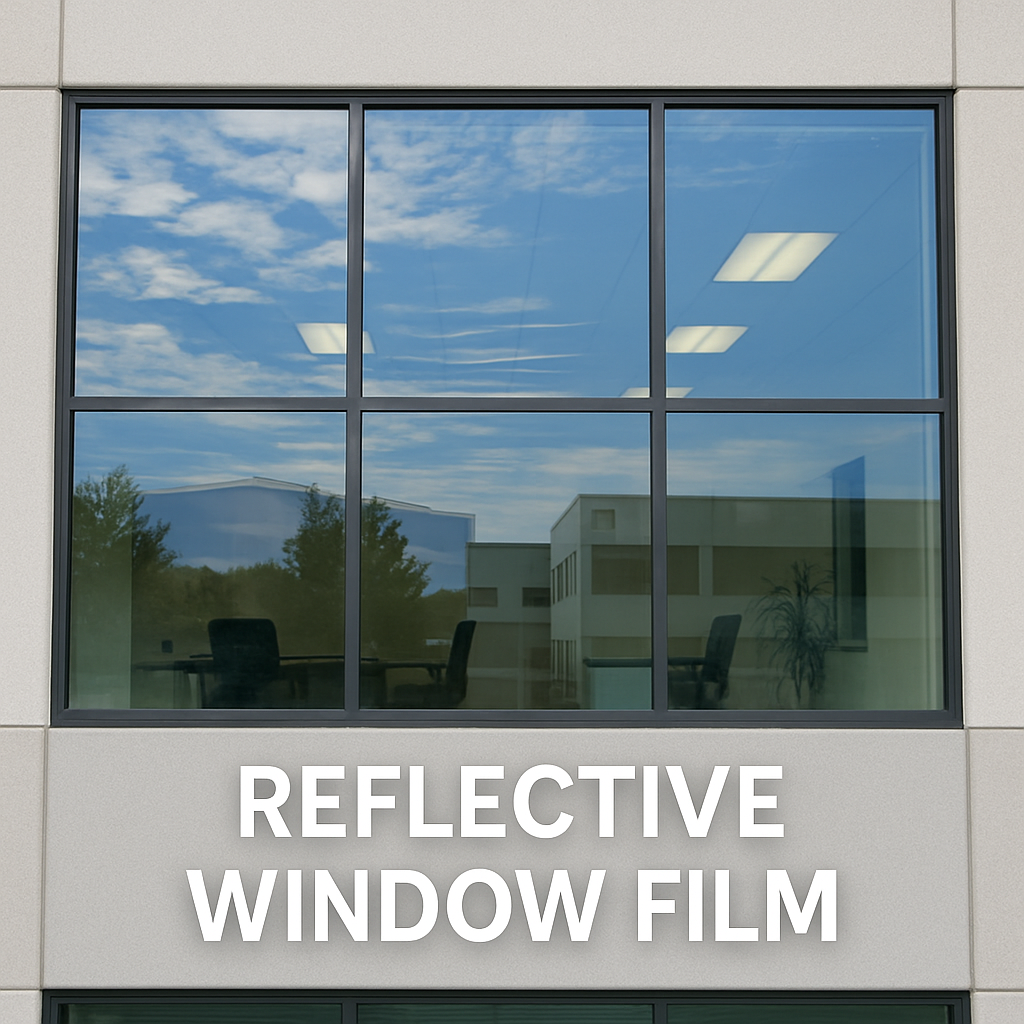
Mirror tint, also known as reflective window film, is a type of window privacy film that creates a mirrored effect on the exterior side of windows. This film allows you to maintain your view from the inside while preventing outsiders from seeing in, thereby offering an excellent solution for privacy without sacrificing natural light.

Key Benefits of Mirror Tint

  1. Enhanced Privacy: Mirror tint provides a one-way view, which means during the day, people outside cannot see into your home while you can still enjoy the view outside. This makes it a great option for ground-level windows and spaces that face public areas.
  2. Energy Efficiency: By reflecting sunlight, mirror tint reduces the amount of heat that enters your home. According to the U.S. Department of Energy, window films can significantly reduce solar heat gain, improving indoor comfort and lowering cooling costs. This can significantly lower your energy bills by reducing the need for air conditioning during hot months.
  3. UV Protection: Mirror tint blocks up to 99% of harmful UV rays, helping protect interiors from sun damage. The U.S. Environmental Protection Agency (EPA) emphasizes the importance of UV protection in reducing long-term sun damage exposure, even indoors.
  4. Aesthetic Appeal: The sleek, modern look of mirrored windows can enhance the exterior appearance of your home, adding a touch of sophistication.

How to Choose the Right Mirror Tint

Different types of mirror tint samples displayed on a table.

Choosing the right mirror tint involves several considerations. Here’s how you can make an informed choice:

Consider the Tint Percentage

Mirror tints come in various shades, typically described in percentages. A lower percentage means darker tint and higher reflectivity. Consider the level of privacy you desire and the amount of natural light you want to maintain when choosing the tint percentage.

Assess the Film’s Performance

Look for films with high solar energy rejection and UV protection ratings. These features contribute to the energy efficiency and protective qualities of the tint.

Evaluate the Aesthetic Fit

Ensure the tint complements the design of your home. Some films have a more pronounced mirror effect, while others are subtler. Consider how the exterior appearance will blend with your existing design elements.

Professional Installation

For optimal results, consider professional installation. Experienced installers can ensure a perfect fit and finish, avoiding common issues like bubbling or peeling.

Maximizing Energy Efficiency with Mirror Tint

One of the standout benefits of mirror tint is its ability to improve energy efficiency in your home. By reflecting solar heat, you can maintain a comfortable indoor temperature without over-reliance on air conditioning.

Tips for Enhanced Efficiency

  1. Strategic Placement: Focus on windows that receive the most sunlight, such as south and west-facing windows. Tinted windows in these areas can have the most significant impact on reducing cooling costs.
  2. Combine with Curtains or Blinds: While mirror tint is effective on its own, combining it with curtains or blinds can further enhance its insulating properties.
  3. Regular Maintenance: Keep your tinted windows clean to maintain their performance. Use a soft cloth and non-abrasive cleaner to avoid scratching the film.

Enhancing Privacy and Comfort

A cozy living room with large, mirror-tinted windows overlooking a garden.

by mohamad mostafa salehi (https://unsplash.com/@smms18)

Privacy is often a top concern for homeowners, and mirror tint offers an elegant solution. Unlike traditional blinds or curtains, mirror tint allows you to enjoy natural light and views without compromising privacy.

Creating a Private Oasis

  • Interior Design Integration: Use mirror tint to create a seamless look with your interior design. Its reflective properties can also add a sense of depth and spaciousness to rooms.
  • Layering for Effect: Combine mirror tint with sheer curtains for a softer look that still maintains privacy. This layering approach can add texture and interest to your space.

Addressing Common Concerns

While mirror tint is an excellent choice for many homes, there are common concerns that potential users might have.

Nighttime Privacy

Mirror tint is most effective during the day. At night, when interior lights are on, the mirrored effect is reduced. To maintain privacy during nighttime, consider additional window treatments like curtains or blinds.

Durability and Maintenance

High-quality mirror tints are durable and designed to withstand various weather conditions. Regular cleaning with appropriate products will keep them looking their best.

Cost Considerations

The cost of mirror tinting can vary based on the size and number of windows, the type of film, and installation fees. However, the energy savings and protection benefits often offset the initial investment over time.

Conclusion

Mirror tint for house windows is a practical and stylish solution that offers numerous benefits, from enhanced privacy and energy efficiency to UV protection and aesthetic appeal. Whether you’re a homeowner looking to upgrade your living space or an interior designer seeking cost-effective, eco-friendly solutions, mirror tint is worth considering.

By understanding the key benefits and considerations, you can make an informed decision that enhances the comfort and style of your home. For the best results, consider professional installation to ensure the longevity and performance of your window tinting. Embrace this innovative solution and transform your home into a more private, energy-efficient, and visually appealing space.

Categories
Window Tinting and Films

Can UV Window Films Harm or Help Indoor Plants?

# Can UV Window Films Harm or Help Indoor Plants?

The relationship between UV window films and indoor plants is a topic of increasing interest among homeowners and interior designers. As experts in home improvement solutions, we’re here to unravel the mystery surrounding UV window films and their effects on your beloved indoor plants. Are these films a friend or foe? Let’s dive into the facts.

Understanding UV Window Films

UV window films are thin layers of polyester or vinyl applied to window glass. They are designed to block harmful ultraviolet (UV) rays from entering your home. These films offer a range of benefits, including reduced glare, enhanced privacy, improved energy efficiency, and protection from UV damage to furniture and flooring.

The Mechanics of UV Window Films

UV window films work by reflecting or absorbing the sun’s UV rays. While they block up to 99% of harmful UV radiation, they still allow visible light to pass through. According to the U.S. Environmental Protection Agency, UV radiation is a major contributor to material fading and sun damage. This is why your room doesn’t turn into a dark cave once the film is applied. The primary goal of these films is to protect your home’s interior while maintaining a comfortable and bright living space.

UV window film application

The Impact of UV Window Films on Indoor Plants

To determine whether UV window films are beneficial or harmful to indoor plants, it’s important to understand how plants use light. Plants rely on photosynthesis, a process that converts light energy into chemical energy, enabling them to grow. This process primarily uses visible light, particularly the blue and red spectrums. The Encyclopaedia Britannica explains that photosynthesis depends mainly on visible wavelengths rather than ultraviolet light.

Do UV Window Films Block Essential Light for Plants?

UV window films are designed to block UV rays, which are not a critical component of the photosynthesis process. Since these films allow visible light to enter, they typically do not deprive plants of the light they need to thrive. In fact, by reducing excessive heat and glare, these films can create a more stable environment for indoor plants.

Potential Benefits for Indoor Plants

  1. Reduced Heat Stress: UV window films can help reduce the heat that builds up in a room. High temperatures can lead to heat stress in plants, causing wilting or even death. By keeping indoor temperatures more consistent, UV films can create a more plant-friendly environment.
  2. Decreased Risk of Sunburn: Just like humans, plants can suffer from sunburn. Intense sunlight can damage leaves, leading to brown spots and dry edges. UV window films can help protect plants from these harsh rays.
  3. Improved Humidity Levels: By blocking excess heat, UV films can help maintain better humidity levels in your home. Many indoor plants thrive in humid conditions, and consistent humidity levels can be beneficial for plant health.

The Concerns: When UV Films Might Be Harmful

While UV window films offer many benefits, there are situations where they could potentially harm indoor plants.

Insufficient Light for Low-Light Plants

If you have plants that thrive in low-light conditions, UV window films might not pose any issues. However, for plants that require bright, direct sunlight, the reduction in light intensity could be a concern. It’s important to assess the light needs of your specific plants before applying UV window films.

Choosing the Right Film

Selecting the right type of window film is crucial. Some films are designed to block more light than others. If you’re worried about light levels for your plants, opt for a film that allows higher levels of visible light to pass through.

Best Practices for Using UV Window Films with Indoor Plants

To ensure your indoor plants continue to thrive with UV window films, consider these best practices:

  1. Assess Plant Light Requirements: Understand the light needs of your plants. Some may prefer indirect light, while others may need full sun exposure.
  2. Opt for Adjustable Solutions: Consider films that can be adjusted or removed seasonally, or use sheer curtains in combination with window films to control light exposure.
  3. Monitor Plant Health: Keep an eye on your plants after the film installation. Look for signs of stress, such as yellowing leaves or stunted growth, and adjust their placement if needed.
  4. Experiment with Placement: If possible, move plants around to find the optimal spot where they receive adequate light without the risk of sunburn.

Conclusion: Balancing Light and Protection

UV window films are a valuable tool in modern interior design, offering numerous benefits including energy efficiency and UV protection. When used thoughtfully, they can coexist with indoor plants without causing harm. By carefully selecting the right film and monitoring plant health, you can enjoy the best of both worlds—beautiful, vibrant indoor plants and a comfortable, energy-efficient home.

Balanced indoor environment with UV films and plants

by Kate Darmody (https://unsplash.com/@kdarmody)

For interior designers seeking cost-effective solutions that enhance both aesthetics and energy efficiency, UV window films present an innovative option. With the right approach, these films can complement your design vision and support a healthy indoor plant environment.

Categories
Window Tinting and Films

When to Use Exterior Window Films for Maximum Effect

When it comes to improving your home’s comfort, privacy, and energy efficiency, exterior window films offer a versatile and effective solution. Whether you’re aiming to enhance your living space’s aesthetic appeal or seeking to cut down on energy costs, window films can be a game-changer. In this article, we’ll explore when and how to use exterior window films for maximum effect, helping you make informed decisions that benefit both your home and your wallet.

Exterior window films are thin layers of polyester or similar materials applied to the outside of windows. They serve various purposes, including reducing glare, blocking harmful UV rays, enhancing privacy, and improving energy efficiency. Available in different shades, colors, and designs, these films can cater to both functional and aesthetic needs. To better understand their advantages, explore the benefits of window films.

Types of Exterior Window Films

  1. Solar Control Films: These films are designed to reduce heat gain and glare, making your home more comfortable and energy-efficient.
  2. Privacy Films: Ideal for enhancing privacy without sacrificing natural light, these films come in frosted or patterned designs.
  3. Decorative Films: Available in various patterns and styles, decorative films add a touch of elegance to your windows, complementing your interior design.
  4. Security Films: These thicker films add an extra layer of protection by holding shattered glass in place, deterring break-ins and reducing injury risks.

When to Use Exterior Window Films

Enhancing Energy Efficiency

One of the most compelling reasons to use exterior window films is to boost your home’s energy efficiency. By reducing heat gain in the summer and heat loss in the winter, window films can significantly lower your energy bills. According to the U.S. Department of Energy, certain window treatments can reduce heat gain and improve insulation, making them a practical solution for homeowners. If you notice increased energy costs or rooms that are too hot in the summer, it might be time to consider solar control films.

Increasing Privacy

If you live in a bustling neighborhood or have windows facing a busy street, privacy window films can be a lifesaver. These films allow you to enjoy natural light while preventing prying eyes from peering into your home. Choose films that offer one-way visibility during the day or frosted designs for round-the-clock privacy.

Example of privacy window film on a residential home

Reducing Glare

Excessive glare can be a nuisance, especially if you work from home or enjoy watching TV during the day. Exterior window films can help reduce glare, allowing for a more comfortable and enjoyable indoor experience. Consider installing them in rooms with large windows or those that receive direct sunlight.

Protecting Furnishings

UV rays can cause furniture, carpets, and artwork to fade over time. By blocking up to 99% of UV rays, exterior window films can help protect your interior décor and extend the life of your furnishings. The U.S. Environmental Protection Agency notes that UV exposure can damage materials and surfaces over time, reinforcing the value of protective solutions like window films. If you have valuable or sentimental items near windows, UV-blocking films are a wise investment.

Enhancing Safety and Security

Security window films are an excellent choice if you’re concerned about safety. They reinforce glass, making it harder to break, which can deter intruders. Moreover, in case of an accident or natural disaster, these films help hold shattered glass together, reducing the risk of injury from flying shards.

How to Choose the Right Window Film

Choosing the right window film involves considering your specific needs and preferences. Here are some factors to keep in mind:

Assess Your Needs

Determine what you want to achieve with window films. Are you looking to improve energy efficiency, enhance privacy, or boost security? Identifying your primary goals will help narrow down your options.

Consider Aesthetics

Window films come in various designs and shades. Choose a style that complements your home’s architecture and interior design. Decorative films can add an artistic touch, while neutral shades provide a subtle appearance.

Evaluate Film Quality

Not all window films are created equal. Invest in high-quality films that offer durability, longevity, and effective performance. Look for films with a good warranty and positive customer reviews.

Installation Process

Professional installing window film on a residential window

by william f. santos (https://unsplash.com/@youwwwill)

While some homeowners opt for DIY window film installation, professional installation ensures the best results. Here’s what to expect during the installation process:

  1. Consultation: A professional will assess your windows, discuss your goals, and recommend suitable film options.
  2. Preparation: The windows are cleaned thoroughly to ensure proper adhesion of the film.
  3. Application: The film is carefully applied to the exterior surface of the windows, with precision and attention to detail.
  4. Final Inspection: The installer checks for bubbles, creases, or imperfections and makes necessary adjustments.

Professional installation not only guarantees a flawless finish but also maximizes the film’s longevity and effectiveness.

Maintenance and Care

Exterior window films are relatively low-maintenance. To keep them in top condition:

  • Clean with a mild soap and water solution; avoid harsh chemicals or abrasive materials.
  • Use a soft cloth or squeegee to prevent scratches.
  • Inspect periodically for any signs of peeling or damage.

Proper care will extend the life of your window films and ensure they continue to provide the desired benefits.

Conclusion

Exterior window films offer a versatile and cost-effective solution for enhancing your home’s comfort, privacy, and energy efficiency. By understanding your needs and selecting the right type of film, you can achieve maximum results that align with your goals. Whether you’re an interior designer seeking to provide clients with eco-friendly solutions or a homeowner looking to improve your living space, exterior window films are a smart investment that delivers lasting benefits.