Categories
Window Tinting and Films

The Long-Term Value of Safety Film For Windows

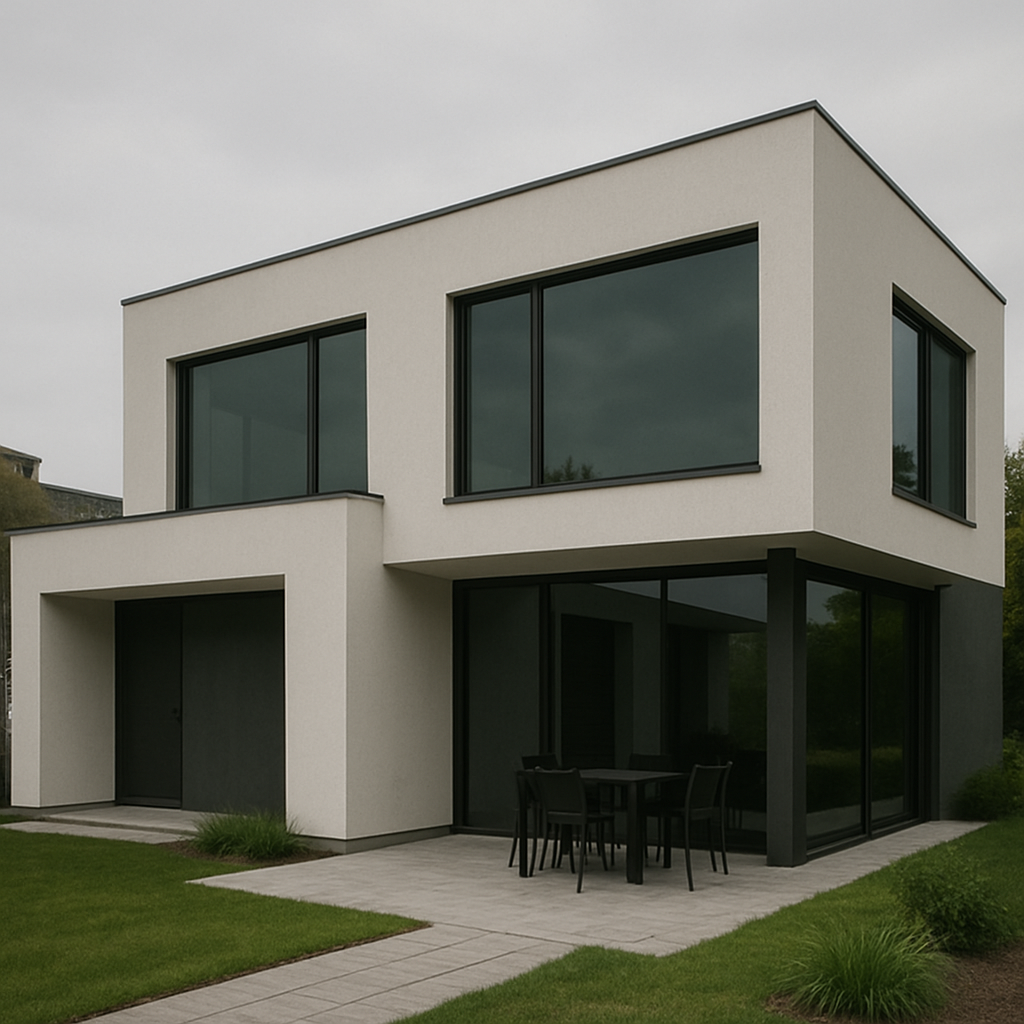
In today’s world, where security and energy efficiency are top priorities for homeowners, safety film for windows is gaining popularity as a versatile and cost-effective solution. Not only does it enhance the protection of your home, but it also offers additional benefits such as improved energy efficiency and aesthetic appeal.

Safety film, also known as window security film or window protection film, is a transparent layer applied to glass surfaces. Its primary purpose is to hold glass fragments together in the event of breakage, reducing the risk of injury and enhancing security against break-ins. This film is particularly beneficial in homes located in areas prone to severe weather conditions or high crime rates.

window_security_film

Enhanced Security

One of the most significant advantages of safety film is the enhanced security it provides. By reinforcing windows, it makes unauthorized entry more difficult, acting as a deterrent to potential intruders. This added layer of security gives homeowners peace of mind, knowing their home is better protected against break-ins and vandalism.

Energy Efficiency Benefits

Aside from security, safety film contributes to energy efficiency. It reduces solar heat gain by reflecting a portion of the sun’s rays, helping to maintain a comfortable indoor temperature. This reduction in heat can lead to significant savings on energy bills, as it lessens the reliance on air conditioning during hot months. According to the U.S. Department of Energy, energy-efficient window treatments can significantly improve insulation and reduce heat transfer. Additionally, some films offer UV protection, preventing the fading of furniture and interior decor.

Aesthetic Appeal

Safety film is available in various tints and finishes, allowing homeowners to customize their windows to match their interior design preferences. From clear films that maintain the original look of windows to decorative options that add a touch of elegance, the versatility of safety film makes it an attractive choice for interior designers seeking to enhance the aesthetic appeal of a space.
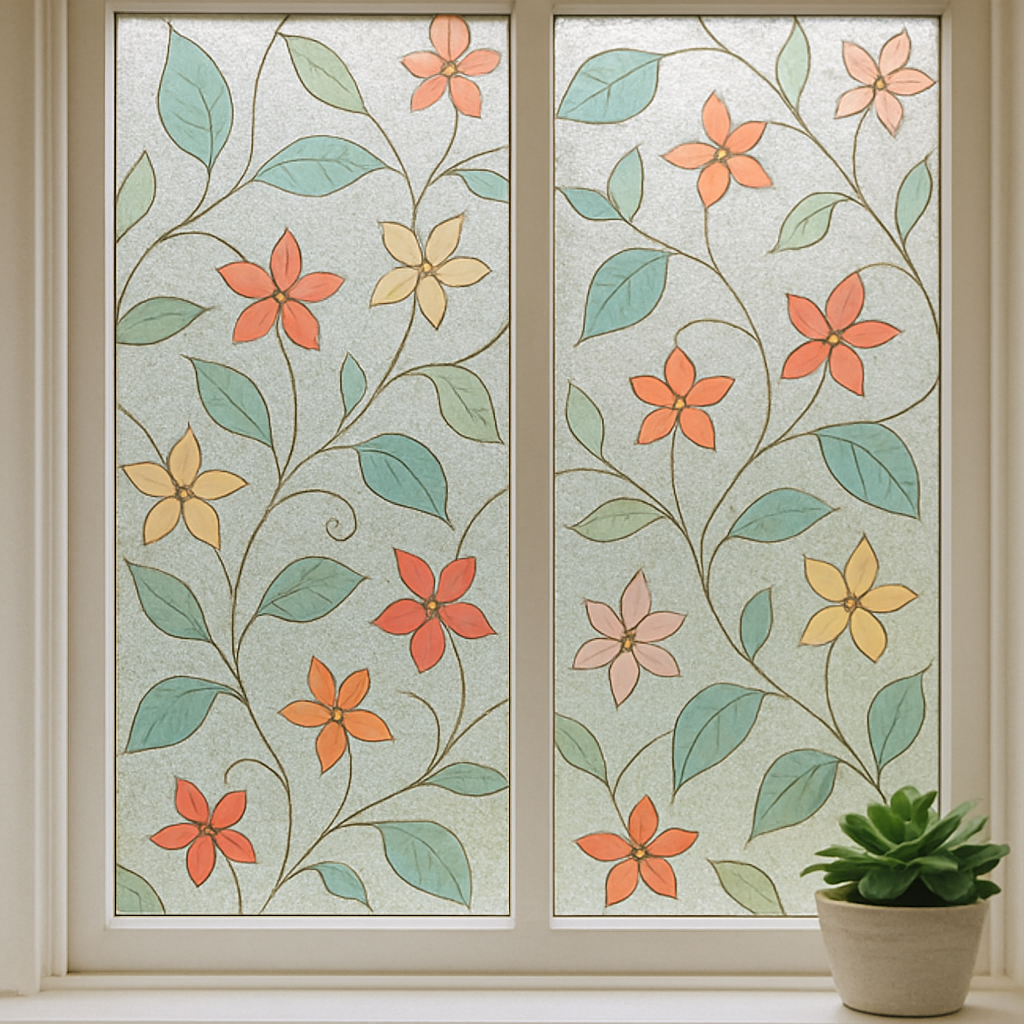
window_film_decor

Easy Installation and Maintenance

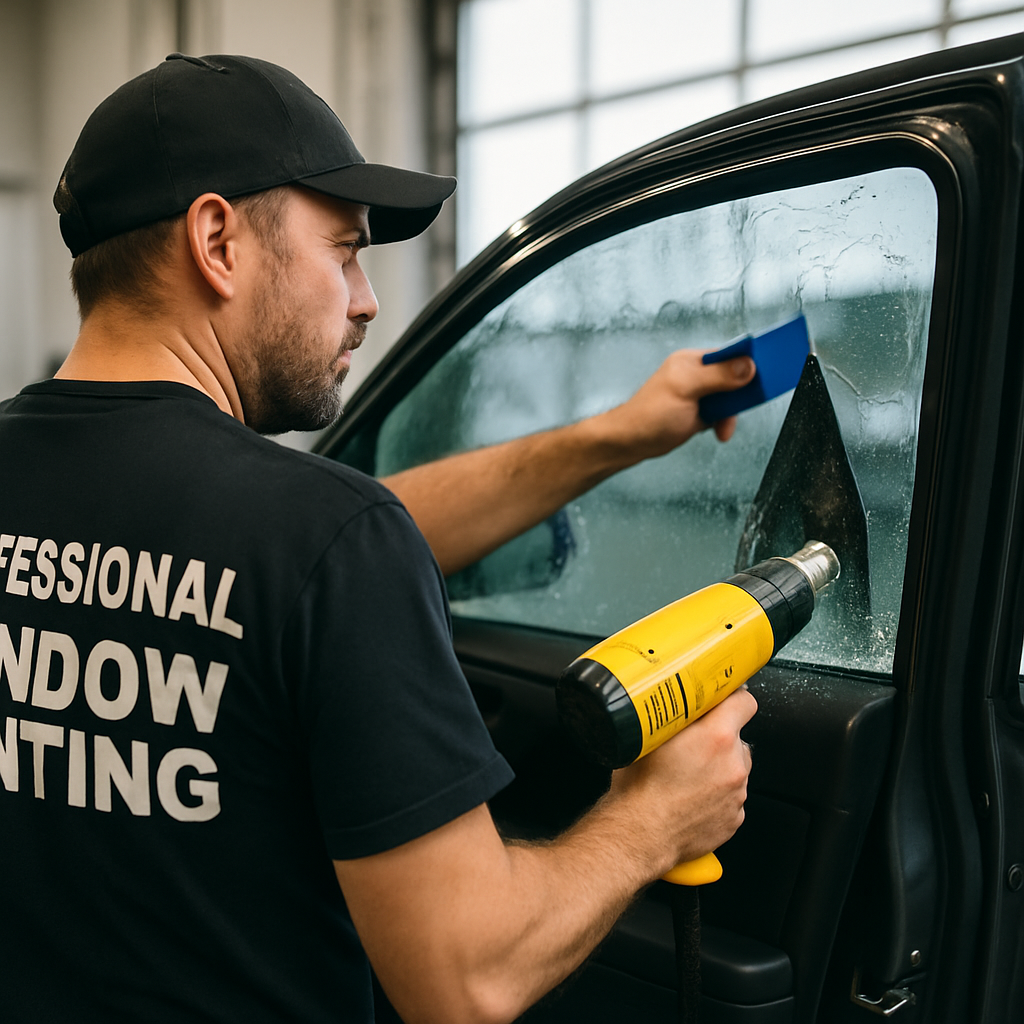
The installation of safety film is a straightforward process that can be completed by professionals with minimal disruption to your daily routine. Once applied, the film requires little maintenance, making it a practical solution for busy homeowners. Regular cleaning with mild soap and water is sufficient to keep the film in top condition.

Long-Term Investment

Investing in safety film is not just about immediate benefits; it is a long-term investment in your property’s value. By improving security and energy efficiency, safety film enhances the overall appeal of your home. This added value can be particularly attractive to potential buyers, should you decide to sell your home in the future.

In conclusion, safety film for windows offers a multitude of benefits that go beyond mere protection. It is a smart, cost-effective solution that enhances security, improves energy efficiency, and adds aesthetic value. Whether you are an interior designer looking to offer clients innovative solutions or a homeowner seeking to enhance your living space, safety film is a worthwhile consideration.
Categories
Window Tinting and Films

Simple Hacks Using Residential Window Film

# Simple Hacks Using Residential Window Film

Are you looking to enhance your home’s aesthetic appeal while improving energy efficiency? Residential window film might just be the solution you need. This versatile home improvement tool offers a range of benefits from increased privacy to reduced energy bills. Let’s dive into some simple hacks using residential window film that can transform your living space.

What is Residential Window Film?

Residential window film is a thin laminate film that can be installed on the interior or exterior of glass surfaces in homes. It’s designed to address issues such as heat, glare, privacy, and security. With various styles and finishes, window films can complement any interior design while offering functional benefits.

Types of Window Films

Before jumping into the hacks, it’s important to understand the different types of window films available:

  1. Solar Control Films: These are designed to reduce heat and glare, making your home more comfortable and energy-efficient.
  2. Decorative Films: Perfect for adding style and privacy, these films come in a variety of patterns and colors.
  3. Security Films: These provide an added layer of protection by holding shattered glass together.
  4. Privacy Films: Ideal for areas that require seclusion without sacrificing natural light.

Hack #1: Enhance Privacy Without Sacrificing Light

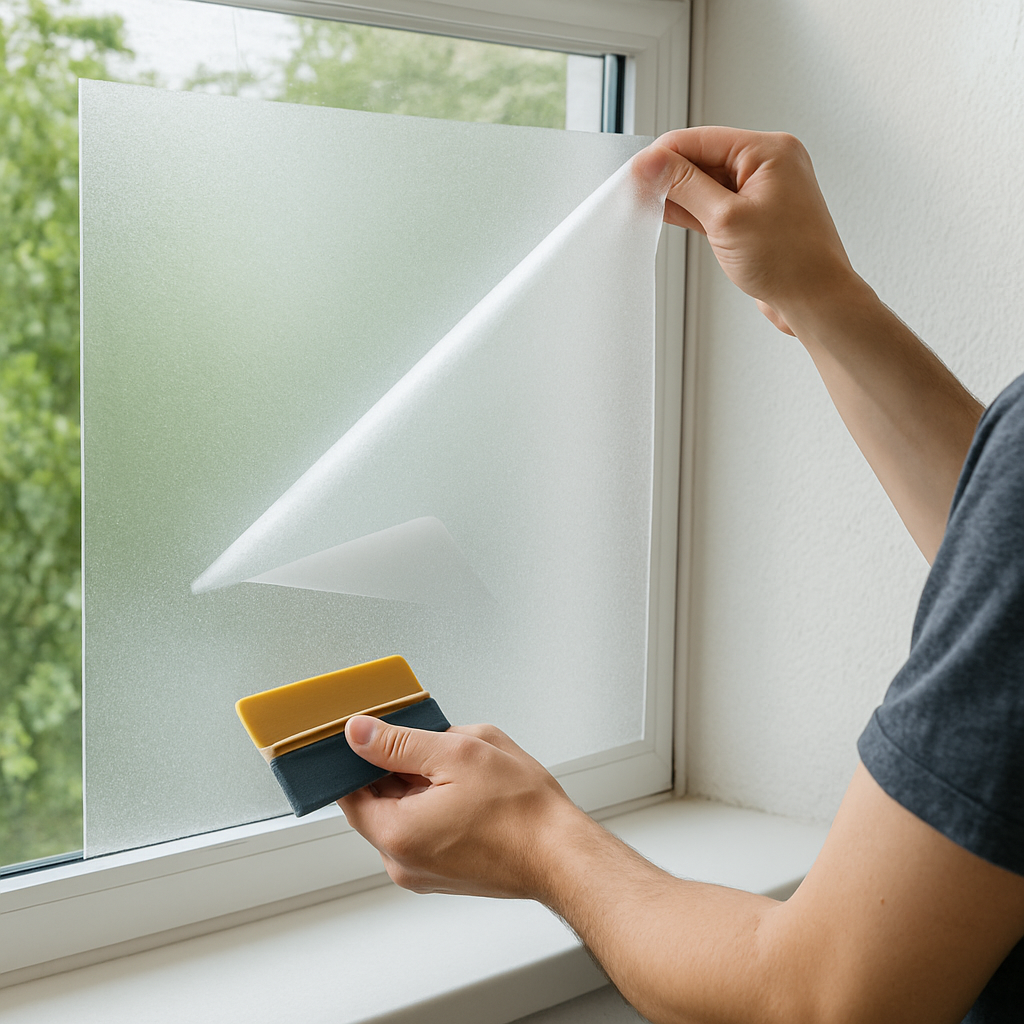
One of the main reasons homeowners opt for window film is to increase privacy. Privacy window film can obscure the view into your home without blocking out the light. This is particularly useful for ground-level windows or bathrooms.

How to Apply Privacy Window Film

  1. Measure and Cut: Measure the window and cut the film to size, leaving an extra inch on each side.
  2. Clean the Glass: Ensure the glass is clean and free from dust and grease.
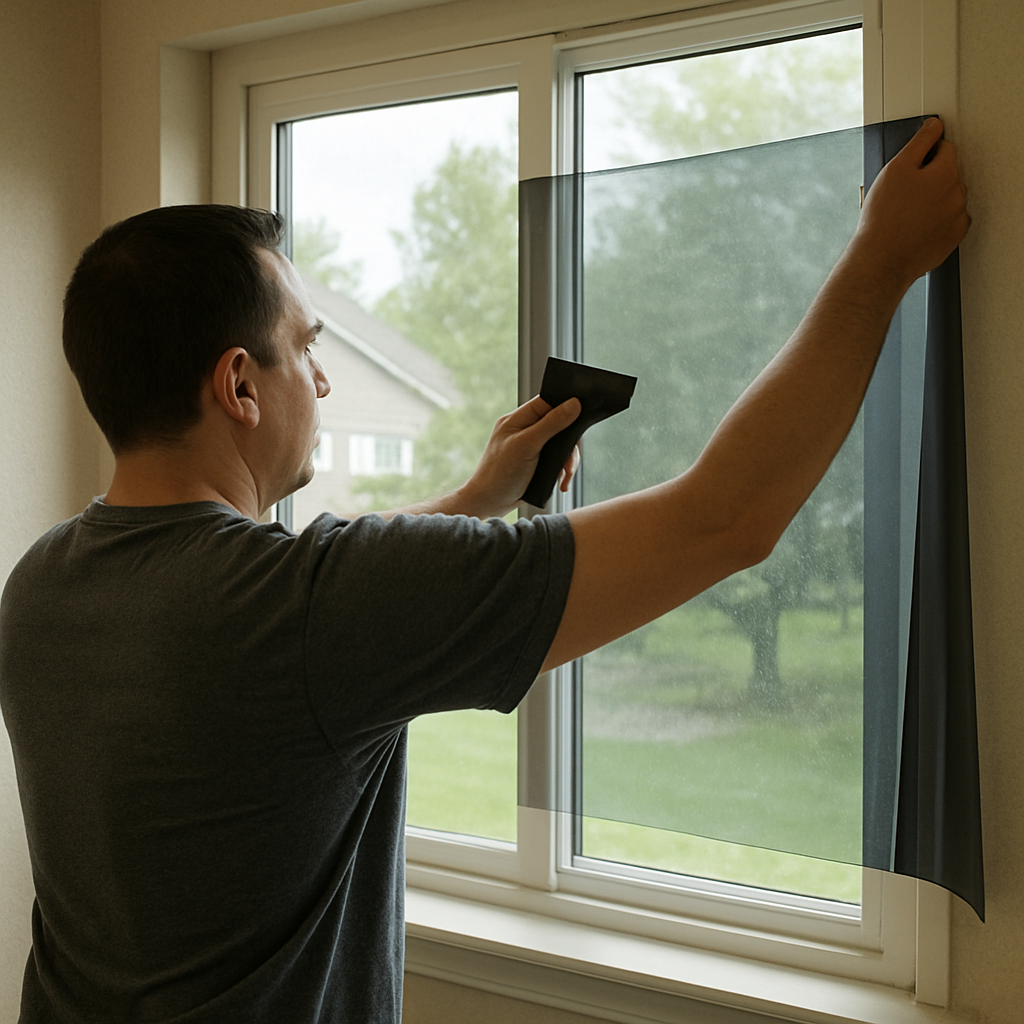
  3. Apply the Film: Peel off the backing and spray the adhesive side with soapy water. Apply the film to the window, starting from the top.
  4. Smooth Out Air Bubbles: Use a squeegee to remove any air bubbles, starting from the center and working outwards.
Privacy window film application

Hack #2: Reduce Energy Costs

Home window tint can be an effective way to lower your energy bills. By reflecting sunlight, solar control films reduce the amount of heat entering your home. This can lower cooling costs during the summer months and help maintain a comfortable indoor temperature. According to the U.S. Department of Energy, window treatments that control heat gain can significantly improve a home’s energy efficiency.

Benefits of Solar Control Films

  • Energy Savings: Reduce reliance on air conditioning.
  • Comfort: Maintain a consistent indoor climate.
  • Protection: Block harmful UV rays that can fade furniture and flooring. The Environmental Protection Agency (EPA) explains that UV exposure can damage materials and indoor surfaces over time.

Hack #3: Add a Decorative Touch

Want to add a unique touch to your home’s interior? Decorative window films can transform plain glass into an eye-catching feature. From frosted patterns to stained glass effects, decorative films offer endless possibilities.

Ideas for Using Decorative Films

  • Accent Windows: Apply a decorative film to a feature window for a bold statement.
  • Room Dividers: Use decorative film on glass partitions to create privacy in open-plan spaces.
  • Cabinet Doors: Transform glass cabinet doors in kitchens or bathrooms for added style.

Hack #4: Boost Security

Security window films are an excellent way to enhance the safety of your home. These films make glass more shatter-resistant, providing extra protection against break-ins and accidents.

How Security Films Work

Security films hold glass fragments together when shattered, reducing the risk of injury and making it more difficult for intruders to gain access. They are an ideal solution for homes in areas prone to severe weather or for added peace of mind.

Hack #5: Easy Seasonal Updates

Window films allow for easy seasonal updates without permanent changes. During the winter, you might prefer more natural light, while in the summer, you might need more heat reduction. Window films can be easily swapped to suit your seasonal needs.

Tips for Seasonal Film Changes

  • Label and Store: Carefully remove seasonal films, label them, and store them for future use.
  • Choose Reusable Films: Opt for films that are easy to remove and reapply.
  • Plan Ahead: Consider your home’s seasonal needs and select films accordingly.
Home window tinting for energy efficiency

by Lysander Yuen (https://unsplash.com/@lysanderyuen)

Conclusion

Residential window film offers a simple, cost-effective solution to several common home challenges. Whether you’re looking to increase privacy, reduce energy costs, or add a decorative touch, there’s a film to meet your needs. By applying these simple hacks, you can enhance your home’s functionality and aesthetic appeal with minimal effort.

Explore the possibilities with residential window film and transform your living space into a more comfortable, stylish, and secure environment.

Categories
Window Tinting and Films

The Homeowners Guide to 70 Vlt Window Tint

Window tint refers to a thin film applied to glass surfaces, primarily windows, to reduce the amount of light that passes through. These films come in various shades and are made from a range of materials, including polyester and metalized substances. Tinting can serve multiple purposes such as reducing glare, blocking UV rays, and enhancing privacy. While commonly associated with vehicles, window tinting is also a popular choice for residential and commercial buildings.

Visible Light Transmission (VLT) is a critical factor in window tinting, indicating the percentage of visible light that penetrates through the tinted glass. A 70 VLT means that 70% of visible light is allowed to pass through, making it a relatively light tint. Understanding VLT is essential as it influences the brightness of a room, energy efficiency, and overall comfort within the space. Homeowners often choose VLT levels based on their specific needs for light control and privacy.

There are several types of window tints available, each designed to meet different needs and preferences. Dyed window tint is the most affordable, offering basic heat and glare reduction. Metalized tint provides enhanced UV protection and durability due to its reflective properties. Ceramic and carbon tints are more advanced options, offering superior heat rejection and clarity without the reflective shine. Each type has its unique benefits and potential drawbacks, which should be considered when choosing the right tint for your home.

A 70 VLT window tint allows for ample natural light to enter a room while still providing some level of heat and glare reduction. This balance is ideal for homeowners who enjoy bright, sunlit spaces but want to minimize excessive heat and discomfort. The film filters the sunlight, creating a comfortable and well-lit environment that can enhance mood and productivity. With more natural light, you can also reduce your reliance on artificial lighting, potentially lowering energy costs.

Window tints like the 70 VLT can contribute significantly to a home’s energy efficiency. By reducing the amount of heat entering through windows, these films help maintain a consistent indoor temperature, reducing the need for air conditioning. This can lead to substantial savings on energy bills, particularly during the hot summer months. Additionally, by blocking harmful UV rays, 70 VLT tints protect furniture and flooring from fading, extending their lifespan and reducing replacement costs.

One of the standout benefits of 70 VLT window tint is that it provides a level of privacy without significantly impacting views. While the tint is light enough to allow a clear view of the outside, it still offers some degree of privacy from prying eyes. This feature is particularly beneficial for homes located in busy neighborhoods or with windows facing the street. Homeowners can enjoy their views and natural light without feeling exposed or vulnerable.

Selecting a qualified professional for window tint installation is crucial to achieving the best results. Look for installers with strong reputations, verified reviews, and relevant certifications. Experienced professionals will not only ensure a flawless application but can also provide valuable advice on the best type of tint for your specific needs. A skilled installer can help prevent common issues such as bubbling, peeling, or uneven application.

Before installation, windows must be thoroughly cleaned and prepared to ensure optimal adhesion of the tint. The cleaning process involves removing any dust, dirt, or residue that could interfere with the application. Homeowners can assist by clearing the area around the windows of any obstacles or furniture. Proper preparation helps ensure a smooth and long-lasting installation, reducing the likelihood of defects or the need for future repairs.

The actual installation of window tint involves carefully measuring and cutting the film to fit each window. The process requires precision to avoid gaps and ensure full coverage. Installers typically use a soapy solution to help position the film on the glass before smoothing it out to remove any air bubbles. Once applied, the tint is left to cure, during which time windows should not be cleaned or opened to prevent disrupting the adhesive bond.

Maintaining your 70 VLT window tint involves regular cleaning to keep it looking its best. Use a soft cloth or sponge and a mild, non-abrasive cleaner to gently wipe the surface. Avoid harsh chemicals or abrasive cleaning tools that could scratch or damage the film. Regular cleaning not only preserves the appearance of the tint but also extends its lifespan by preventing dirt buildup.

Over time, window tint may encounter issues such as bubbling, peeling, or discoloration. Bubbling often results from poor installation or exposure to high temperatures, while peeling can occur if the edges of the tint are not securely adhered. Discoloration is usually a sign of aging or exposure to harsh sunlight. Early identification and prompt attention to these issues can prevent further damage and prolong the life of your window tint.

While high-quality window tints are designed to last for many years, they will eventually need replacement. Signs that it’s time to consider new tint include significant fading, persistent bubbling, or extensive peeling. Advances in tint technology may also provide new options that offer better performance or features than older films. Regular assessment of your window tints’ condition will help you determine the right time for replacement, ensuring continued efficiency and aesthetic appeal.

Categories
Window Tinting and Films

Best Places to Get Home Window Tinting Services

Finding the perfect home window tinting service can make a huge difference in both the aesthetics and energy efficiency of your home. Whether you’re an interior designer looking to offer clients stylish, eco-friendly solutions or a homeowner keen on improving your living space, window tinting is a smart move. In this guide, we’ll explore some of the best places to get home window tinting services and highlight the benefits of window films of this practical and stylish home improvement.

Window tinting involves applying a thin film to the interior or exterior of glass surfaces in your home. This film can help reduce glare, block harmful UV rays, and improve the overall energy efficiency of your home. According to the U.S. Department of Energy, window films and coverings can significantly reduce heat gain and improve indoor comfort. Available in a variety of shades and finishes, window films can also enhance privacy and add a touch of elegance to any space.

Benefits of Home Window Tinting

Enhanced Energy Efficiency

One of the biggest benefits of window tinting is its ability to improve energy efficiency. Tinted windows help maintain indoor temperatures by blocking heat from entering during the summer and retaining warmth during the winter. This means less reliance on heating and cooling systems, leading to significant savings on energy bills.

UV Protection

With window tinting, you also gain protection against harmful UV rays. These rays can cause furniture and flooring to fade over time, but a quality window film can block up to 99% of UV radiation. The U.S. Environmental Protection Agency explains that reducing UV exposure indoors helps protect both materials and occupants, prolonging the life and appearance of your home’s interior.

Increased Privacy and Security

Tinted windows provide an added layer of privacy, making it difficult for outsiders to see inside your home. Additionally, some window films are designed to hold glass together in case of breakage, offering extra security against break-ins or accidents.

Improved Comfort and Glare Reduction

Window tinting can make your home more comfortable by reducing glare from the sun. This is particularly beneficial for rooms with screens or monitors, as it allows you to enjoy natural light without the inconvenience of harsh reflections.

Top Places to Get Home Window Tinting Services

When it comes to finding the best home window tinting services, you have several options. Here are some of the top places to consider:

Local Window Tinting Specialists

Professional window tinting service in action

Local specialists often provide personalized service and have a deep understanding of the specific needs of homes in your area. They can offer customized solutions tailored to your requirements and may have insights into local trends or regulations regarding window tinting.

Home Improvement Stores

Many large home improvement stores offer window tinting services or can recommend trusted professionals. These stores often have a range of tinting options available and can provide expert advice on the best products for your needs.

Online Marketplaces

Platforms like HomeAdvisor or Angie’s List feature reviews and ratings of local window tinting services. These online marketplaces allow you to compare different providers, read customer feedback, and even request quotes directly from the platform.

Manufacturer-Approved Installers

Some window film manufacturers have networks of approved installers. These professionals are trained and certified to ensure that their products are applied correctly and perform as expected. By choosing a manufacturer-approved installer, you can be confident that you’re receiving a high-quality service.

Choosing the Right Window Tinting Service

Consider Your Needs

Before selecting a window tinting service, consider your specific needs. Are you primarily interested in energy efficiency, privacy, or aesthetics? Understanding your goals will help you choose the right type of film and the best service provider for your project.

Check Credentials and Experience

Ensure that the service provider you choose is reputable and experienced. Look for companies with positive customer reviews, proper licensing, and insurance. Experience in window tinting is crucial, as proper installation is key to achieving the desired results.

Request Quotes and Compare Prices

It’s always a good idea to request quotes from multiple providers. This allows you to compare prices and get a sense of the market rate for window tinting services. Keep in mind that the cheapest option isn’t always the best; consider the quality of materials and service as well.

Ask About Warranties

A quality window tinting service should offer a warranty on their work. This provides peace of mind that your investment is protected and ensures that any potential issues will be addressed promptly.

Conclusion

Home window tinting is an excellent way to enhance the appearance and energy efficiency of your home. With options to suit every need and budget, it’s no wonder that more and more homeowners and interior designers are turning to this innovative solution. By choosing the right service provider, you can enjoy the many benefits that window tinting has to offer and create a more comfortable, stylish, and eco-friendly living environment.

Whether you’re looking to protect your interiors, save on energy bills, or simply add a touch of elegance to your home, window tinting is a worthwhile investment that pays off in more ways than one. So why wait? Start exploring your options today and discover how window tinting can transform your home.

Sunlight filtering through tinted windows in a cozy living room

by Mind Opium (https://unsplash.com/@hyeokik)

Categories
Window Tinting and Films

Easy Techniques to Strip Off Old Window Tinting

Removing old window tinting can be a daunting task, especially if you’ve never done it before. However, with the right techniques and tools, you can strip off old window tinting efficiently and effectively. Whether you’re a homeowner looking to refresh your windows or an interior designer seeking to enhance energy efficiency and aesthetics for your clients, this guide will provide you with the insights you need.

Window tinting offers numerous advantages, such as reducing glare, blocking harmful UV rays, and enhancing privacy. However, over time, the tint can fade, peel, or bubble, diminishing its effectiveness and appearance.

When this happens, removing the old tint becomes necessary. The challenge lies in doing so without damaging the window glass.

Why Remove Old Window Tint?

Old window tint can become unsightly and less effective over time. Peeling or bubbling tint not only looks unattractive but also fails to provide the privacy, UV protection, and glare reduction benefits it once did. By removing the old tint, you can restore the window’s clarity and prepare it for a fresh application if desired.

Preparing for the Removal Process

Before you begin, gather the necessary tools and materials. You’ll need:

  • A razor blade or utility knife
  • A spray bottle filled with soapy water or ammonia solution
  • A hairdryer or heat gun
  • A plastic scraper or credit card
  • Paper towels or a clean cloth

Safety First

When working with sharp tools and chemicals, safety is paramount. Wear gloves to protect your hands and goggles to shield your eyes from any flying debris or splashes.

Step-by-Step Guide to Removing Window Tint

Method 1: The Soapy Water Technique

Spray bottle with soapy solution

  1. Spray the Tint: Fill a spray bottle with soapy water. Spray the tinted surface generously until it is thoroughly soaked. The soapy water helps to loosen the adhesive.
  2. Peel the Tint: Start at one corner of the window. Use a razor blade or utility knife to lift the edge of the tint. Once you have a grip, gently peel the tint away from the glass. Spray more soapy water as needed to keep the adhesive wet.
  3. Remove Residue: After peeling off the tint, some adhesive residue may remain on the glass. Use the razor blade to carefully scrape it off, spraying more soapy water as needed to keep the surface wet.
  4. Clean the Glass: Once the tint and residue are removed, wipe the glass with a clean cloth or paper towel to remove any remaining moisture or debris.

Method 2: The Ammonia and Sun Method

  1. Prepare the Solution: Fill a spray bottle with a solution of equal parts ammonia and water.
  2. Soak the Tint: Spray the ammonia solution generously over the tint. Cover the window with a plastic garbage bag to hold in the moisture and let it sit in the sun for about an hour. The sun’s heat will help the ammonia break down the adhesive.
  3. Peel and Clean: Remove the plastic bag and peel the tint off starting from one corner. Use a plastic scraper to remove any remaining adhesive. Wipe the window clean with a damp cloth.

Method 3: The Heat Gun or Hairdryer Method

  1. Heat the Tint: Use a hairdryer or heat gun to warm the surface of the window tint. Hold it a few inches away from the glass to avoid overheating.
  2. Peel the Tint: As the adhesive warms up, start peeling the tint from one corner. The heat will help loosen the adhesive, making it easier to remove the tint.
  3. Remove Residue: Use a plastic scraper to remove any leftover adhesive. If needed, apply more heat to soften the residue.
  4. Final Cleaning: Clean the window with a damp cloth to remove any remaining residue or streaks.

Tips for Success

  • Be patient and take your time. Rushing the process can lead to scratches or damage to the glass.
  • If the tint is stubborn, apply more solution and let it sit for a while longer.
  • Use a plastic scraper instead of metal to avoid scratching the glass.

When to Call a Professional

While these techniques are effective for most DIY enthusiasts, there are times when calling a professional might be the best option. If you’re dealing with large windows or find the tint too challenging to remove, a professional can help ensure a smooth and damage-free removal process.

Conclusion

Removing old window tinting doesn’t have to be a daunting task. With the right techniques and a bit of patience, you can achieve clear, tint-free windows that are ready for a new look. Whether you’re aiming to enhance the aesthetics of your home or improve energy efficiency, these methods will guide you through the process with ease.

By understanding and applying these techniques, you can meet your client’s needs, providing them with stylish, eco-friendly window solutions that complement their interior designs and reduce energy bills.

Categories
Window Tinting and Films

Creative Ways to Use Commercial Window Tinting

In the realm of modern architecture and interior design, commercial window tinting has emerged as an innovative solution offering a blend of aesthetics, functionality, and sustainability. As an expert in window film installations, I will guide you through the creative ways you can leverage commercial window tinting to enhance your spaces, whether in executive offices, retail environments, or any commercial setting.

Before diving into creative applications, it’s essential to understand the core benefits of commercial window tinting. These films serve more than just a decorative purpose; they are instrumental in energy efficiency, privacy, and glare reduction.

Commercial window tinting can significantly reduce energy consumption by blocking out heat-generating UV rays. This reduces the dependency on air conditioning systems, leading to lower energy bills. For business owners and interior designers, this means providing a cost-effective solution that enhances comfort without compromising style.

Enhanced Privacy and Security

Privacy window films are particularly valuable in commercial settings where confidentiality is paramount. They allow natural light to enter while obscuring the view from outside, creating a secure and private environment for employees and clients alike.

Glare Reduction and Comfort

Working in an environment with excessive glare can strain the eyes and reduce productivity. Commercial window tinting mitigates this issue by filtering out harsh sunlight, creating a more comfortable and productive workspace.

Creative Applications of Commercial Window Tinting

With the benefits clear, let’s explore the innovative ways to incorporate window tinting into your commercial design strategy.

Branding and Aesthetics

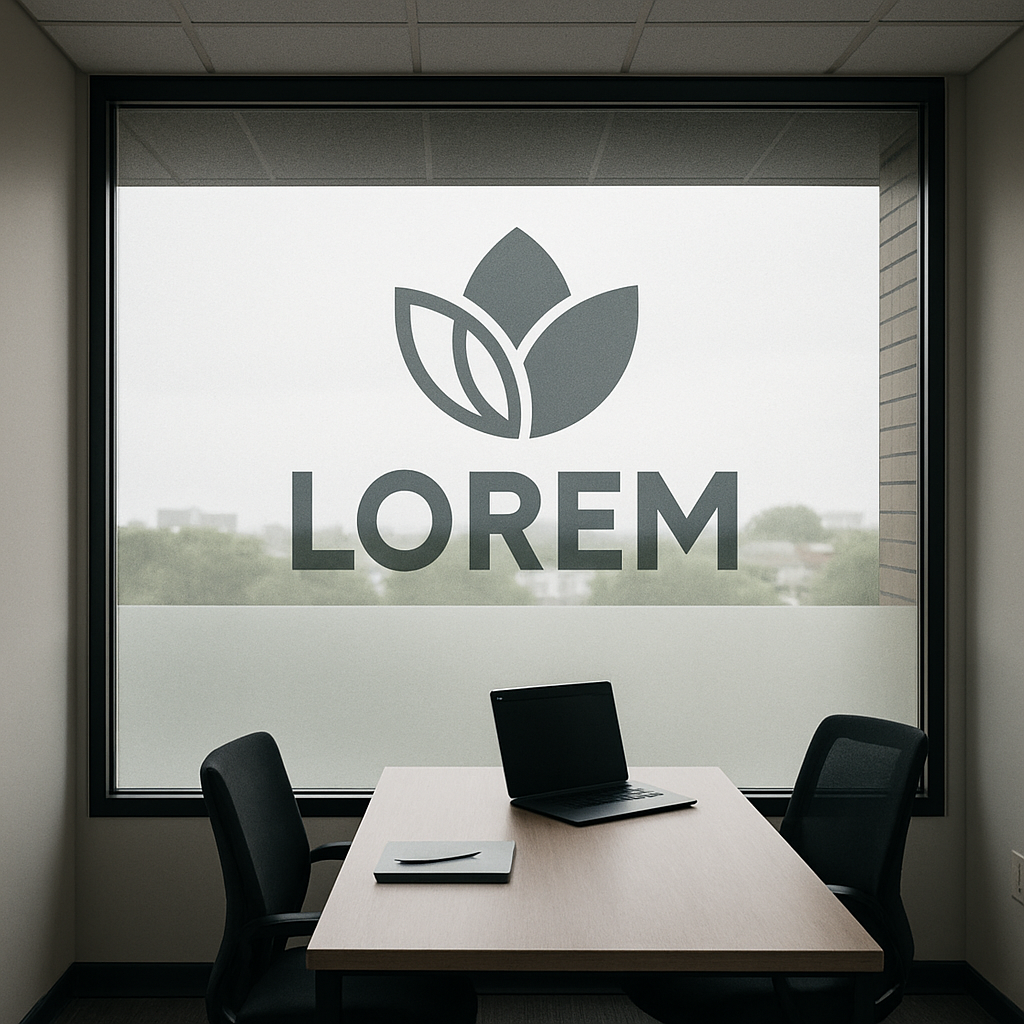
Office with branded window tinting

One of the most exciting applications of commercial window tinting is in branding. Custom films can be designed to include company logos, slogans, or specific patterns that align with your brand identity. This not only reinforces brand presence but also enhances the overall aesthetic appeal of the space.

Dynamic Interior Designs

Commercial window tinting offers a versatile medium for creative interior designs. By choosing films with unique patterns, colors, or gradients, you can transform ordinary glass into a dynamic design element that complements the interior decor. This approach is perfect for creating thematic environments in retail spaces or hospitality settings.

Privacy Zones and Open Spaces

In modern office layouts that favor open spaces, maintaining privacy can be challenging. Here, privacy window films come into play. They can be strategically applied to conference rooms, meeting areas, or individual workstations to create private zones without sacrificing the open space feel.

Daylight Management

Tinted films allow for strategic daylight management, which is crucial in settings like galleries or showrooms where specific lighting conditions are desired. By controlling the amount of natural light, you can highlight displays and create an ambiance that enhances the visitor experience.

Sustainability and Eco-Friendliness

Incorporating window tinting as part of a sustainability initiative is a forward-thinking approach. By reducing energy consumption and enhancing HVAC efficiency, window films contribute to a building’s eco-friendly credentials. This is a compelling selling point for businesses aiming to meet green building standards.

Choosing the Right Commercial Window Tinting Solutions

When selecting window tinting for commercial applications, several factors should be considered to ensure the best results.

Material and Quality

Opt for high-quality films that offer durability and effective UV protection. Executive tinting automotive residential and commercial window tinting solutions often provide a wide range of premium films that cater to diverse needs.

Customization Options

Choose films that offer customization to align with your design vision. Whether it’s a specific color scheme, pattern, or brand integration, ensure the provider can meet your customization requirements.

Installation Expertise

The installation process is crucial to achieving a flawless finish. Professional installation ensures the film is applied correctly, maximizing its benefits and longevity. Always work with certified installers who have experience in commercial projects.

Real-World Examples of Commercial Window Tinting Success

To illustrate the impact of window tinting, let’s look at some real-world applications that highlight its versatility.

Retail Storefronts

Retail storefront with decorative window tinting

by Duc Van (https://unsplash.com/@duke91)

Retail stores have successfully used decorative films to create eye-catching displays that attract customers and enhance the shopping experience. By using seasonal themes or promotional graphics, window tinting becomes a dynamic advertising tool.

Corporate Offices

In corporate environments, tinted films have been used to foster a professional atmosphere while maintaining privacy. Conference rooms with frosted or gradient films provide confidentiality without isolating employees from the collaborative office environment.

Hospitality Industry

Hotels and restaurants use tinted films to create inviting and comfortable spaces for guests. By controlling light and enhancing privacy, window films contribute to a relaxing ambiance that encourages repeat visits.

Conclusion

Commercial window tinting is a powerful tool in the hands of interior designers and business owners looking to enhance their spaces creatively and effectively. With its myriad benefits—from energy efficiency to aesthetic enhancement—window tinting offers a versatile solution that aligns with modern design and sustainability goals.

By choosing the right materials and working with experienced professionals, you can harness the full potential of window tinting to transform commercial spaces into innovative, inviting, and efficient environments.

For those keen on exploring these possibilities, consider partnering with experts in executive tinting automotive residential and commercial window tinting to bring your creative vision to life. Together, you can craft spaces that not only meet functional needs but also inspire and captivate.