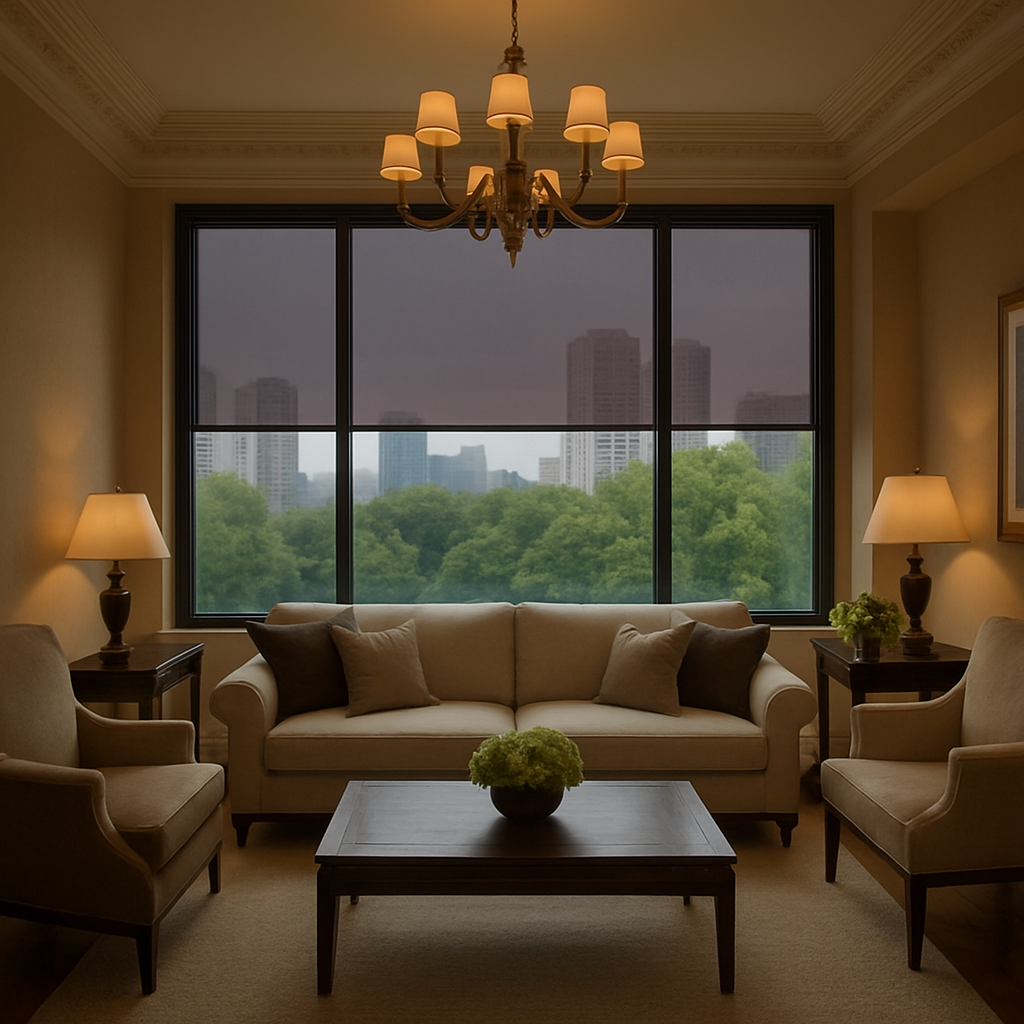
Have you ever considered how privacy window film could transform your living space? This often-overlooked home improvement solution offers numerous benefits, making it an excellent choice for those looking to enhance both privacy and style in their homes. As a seasoned expert in window film installations, I’m here to reveal some of the best-kept secrets about privacy window film that you might not know.
What is Privacy Window Film?
Privacy window film is a thin layer of material applied to glass surfaces, providing a range of benefits from increased privacy to UV protection. It comes in various styles and levels of transparency, allowing you to choose the perfect match for your aesthetic and functional needs. If you’re new to this solution, you may find this helpful privacy window film explained guide for a deeper understanding of how it works and where it performs best.
Types of Privacy Window Film
There are several types of privacy window films available, each catering to different needs:
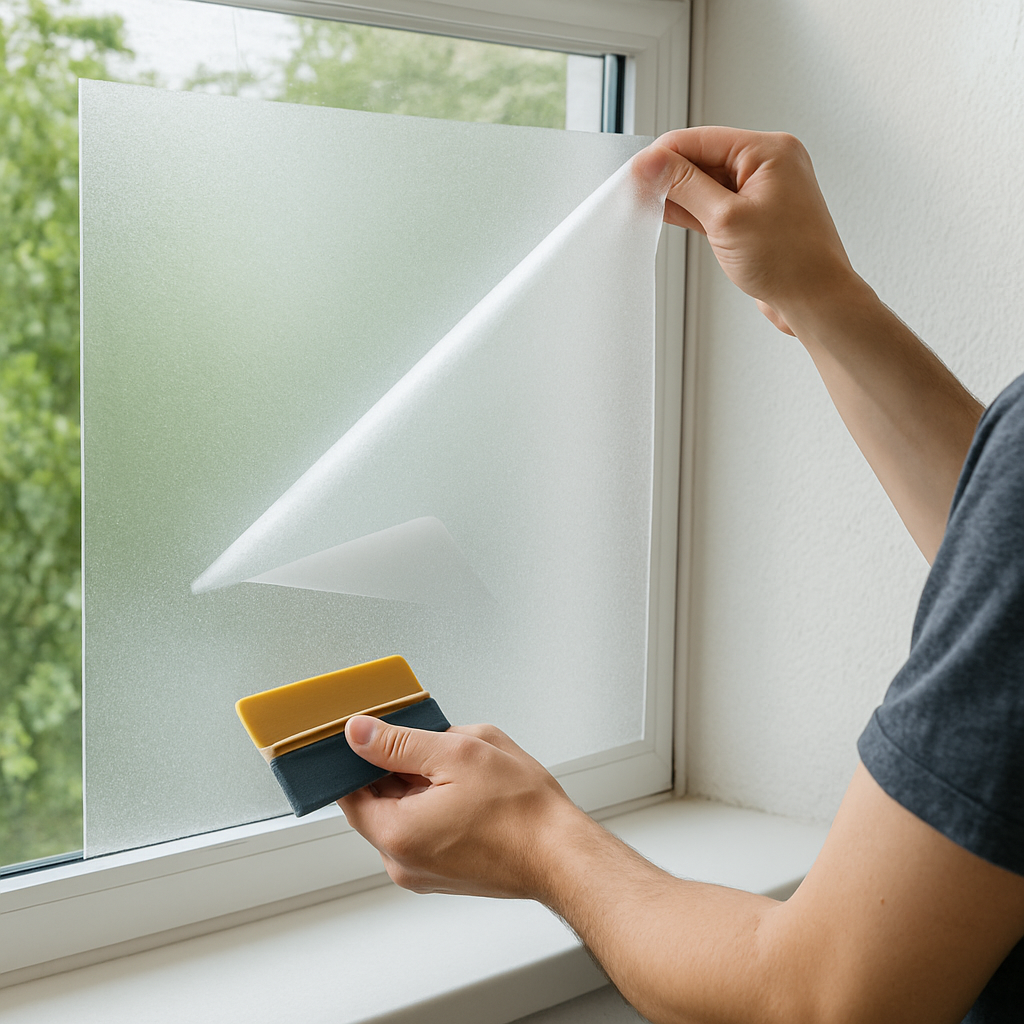
- Frosted Film: Offers a classic look that diffuses light while maintaining privacy.
- Reflective Film: Provides a mirrored exterior during the day, enhancing privacy without sacrificing natural light.
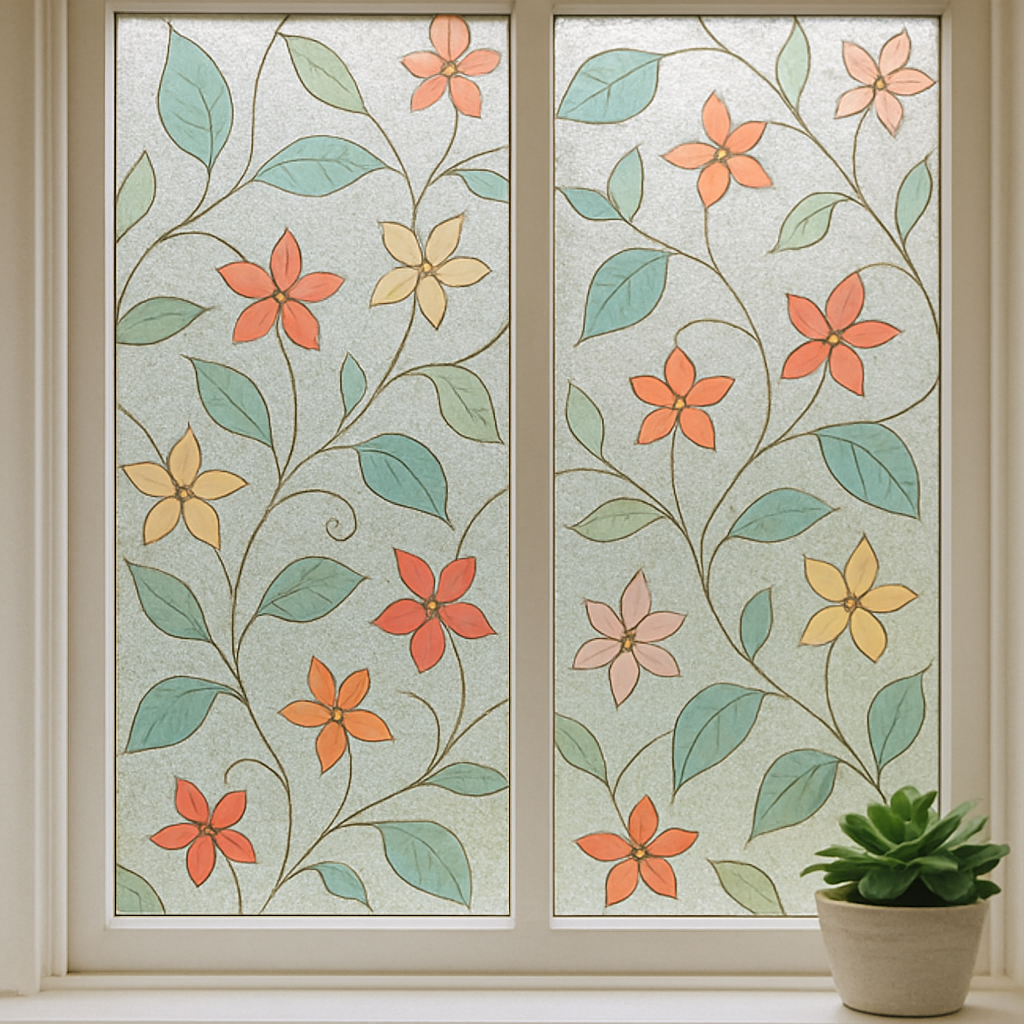
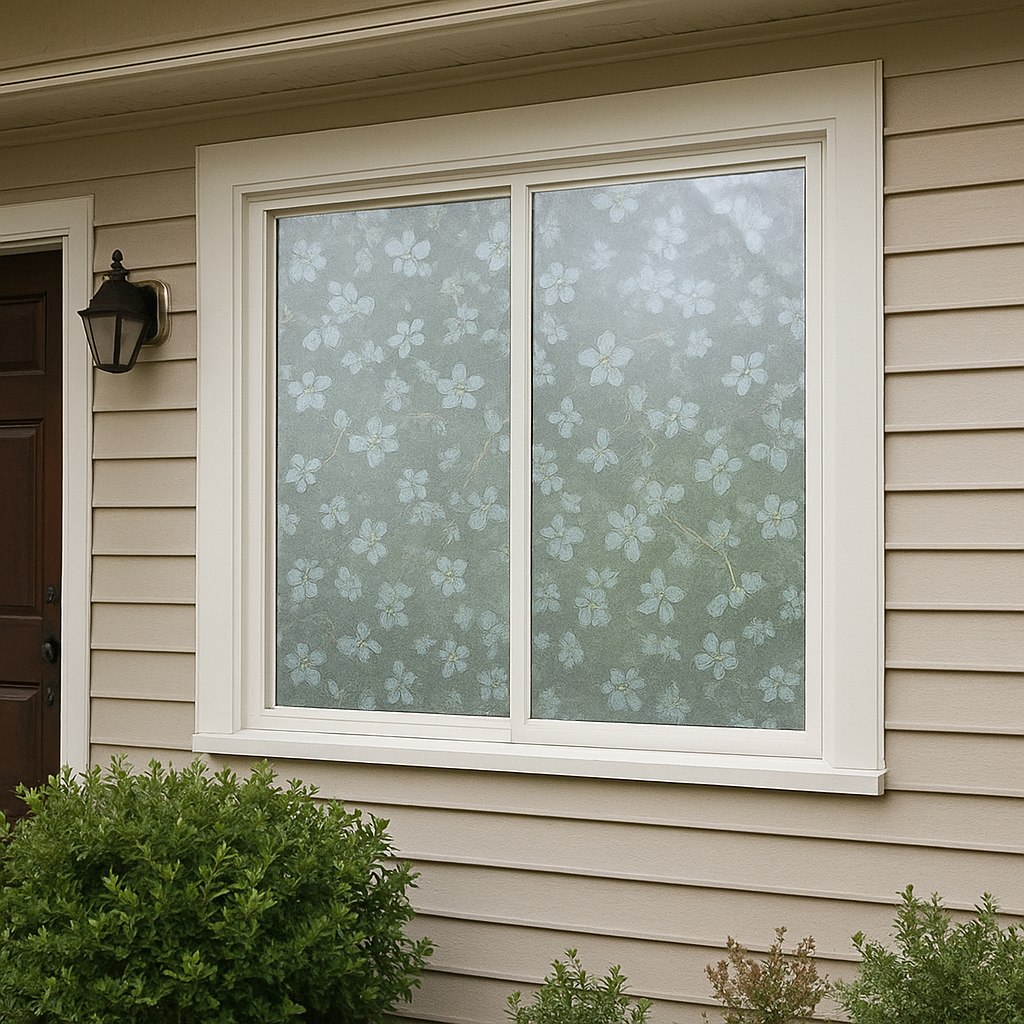
- Decorative Film: Available in a variety of patterns and colors, ideal for adding a touch of style to your windows.
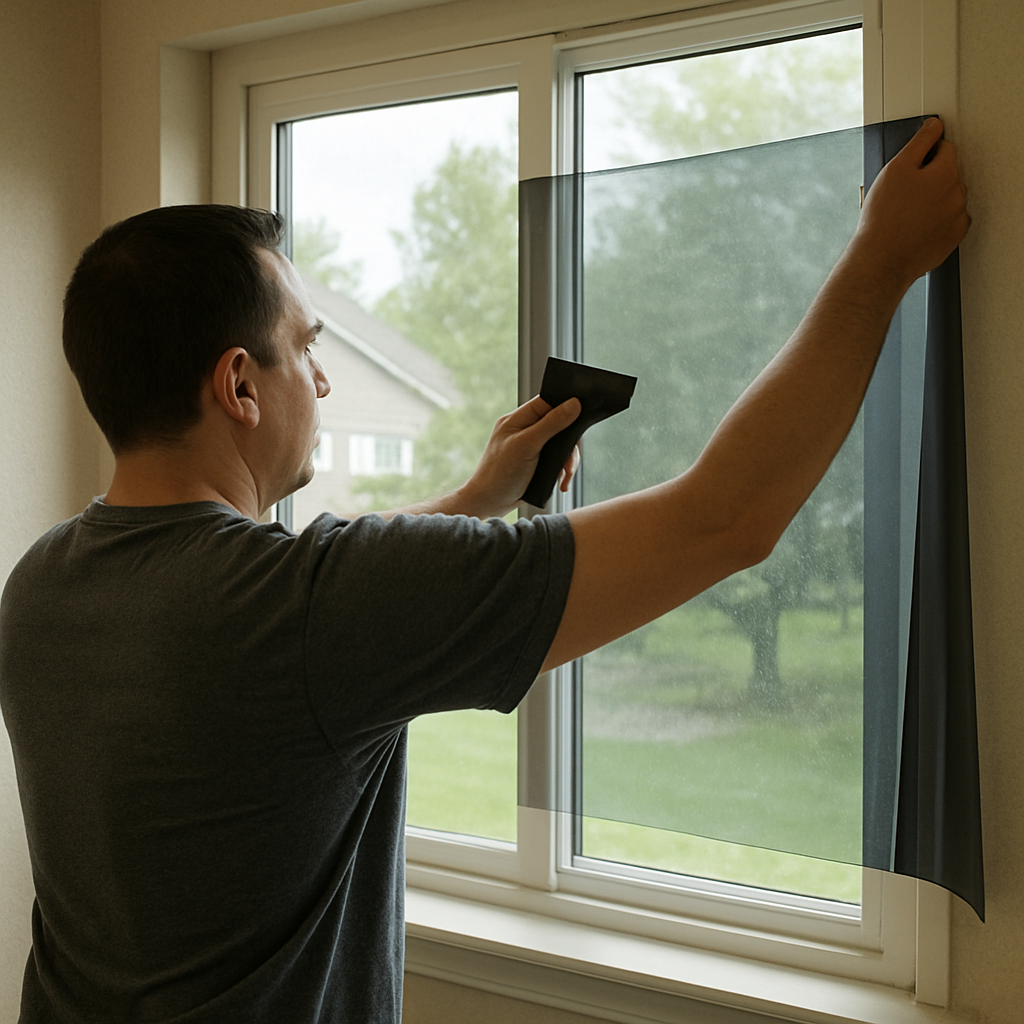
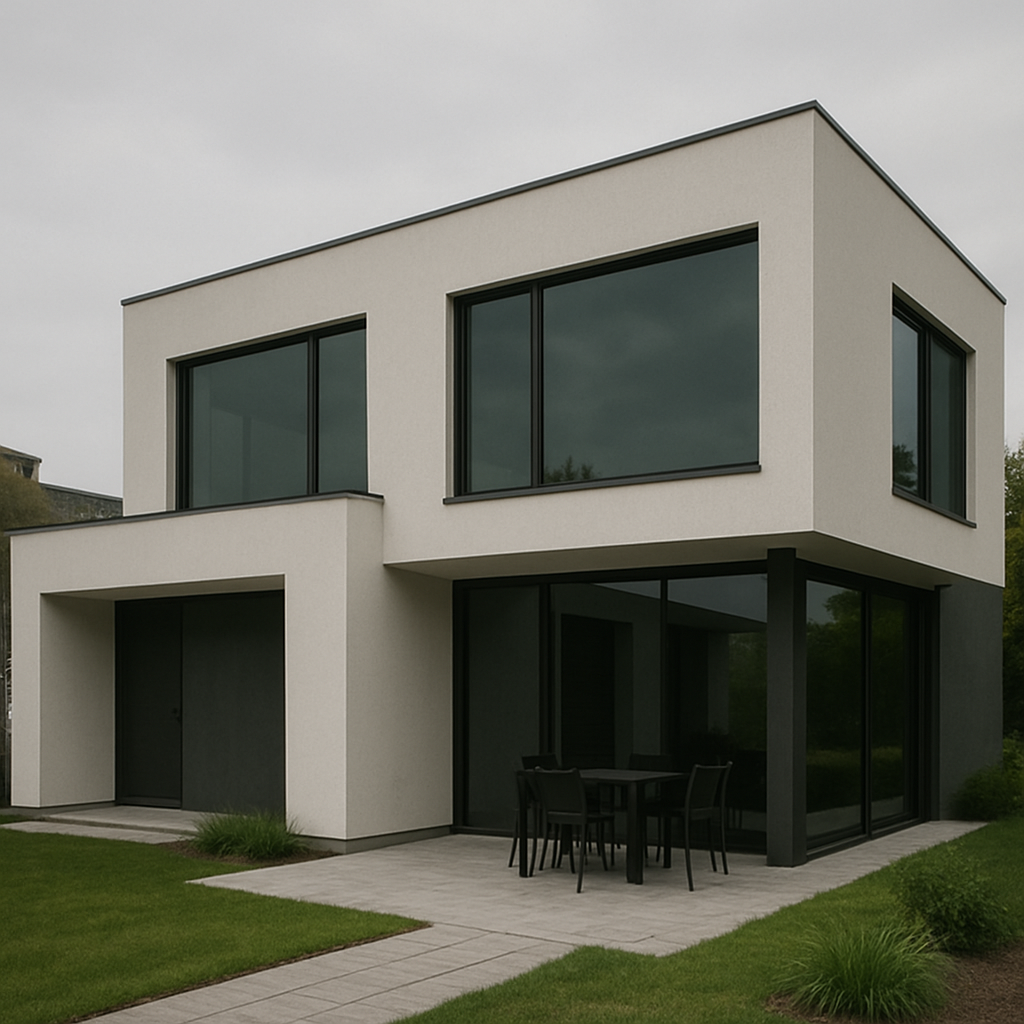
- Tinted Film: Reduces glare and heat, perfect for sunny rooms.

Benefits of Privacy Window Film
Enhanced Privacy
One of the primary reasons homeowners choose privacy window film is to increase privacy without the need for bulky curtains or blinds. It allows you to enjoy natural light while preventing prying eyes from peering into your home.
Improved Energy Efficiency
Privacy window films can help regulate indoor temperatures by reflecting or absorbing sunlight, reducing the need for air conditioning in the summer and heating in the winter. This not only makes your home more comfortable but also helps lower energy bills. According to the U.S. Department of Energy, window films can significantly reduce solar heat gain, improving overall energy performance.
UV Protection
Many privacy window films block up to 99% of harmful UV rays, protecting your furniture, flooring, and artwork from fading over time. This feature is especially valuable for interior designers looking to preserve the longevity of their carefully curated designs. The Environmental Protection Agency (EPA) highlights the importance of reducing UV exposure to protect interiors and occupants alike.
Increased Safety
In the event of an accident or break-in, window film can hold shattered glass together, reducing the risk of injury from sharp shards. This added layer of security can be a significant selling point for homeowners concerned about safety.
Cost-Effective Solution
Compared to other window treatments, privacy window film is a cost-effective way to achieve privacy and energy efficiency. It offers a budget-friendly alternative to replacing entire window units or installing complex shading systems.
Choosing the Right Privacy Window Film
When selecting privacy window film, it’s essential to consider your specific needs and preferences. Here are a few tips to guide you:
Assess Your Privacy Needs
Determine the level of privacy you require for each room. For instance, bathrooms and bedrooms may need more opaque films, while living rooms can benefit from lighter, decorative options.
Consider Aesthetics
Choose a film that complements your home’s interior design. Decorative films offer a wide range of styles, from modern geometric patterns to elegant frosted designs, allowing you to express your unique taste.
Evaluate Energy Efficiency
If energy savings are a priority, look for films with high reflective or insulating properties. These films can make a noticeable difference in your home’s energy consumption.

by Sofya Bobyk
Installation Tips
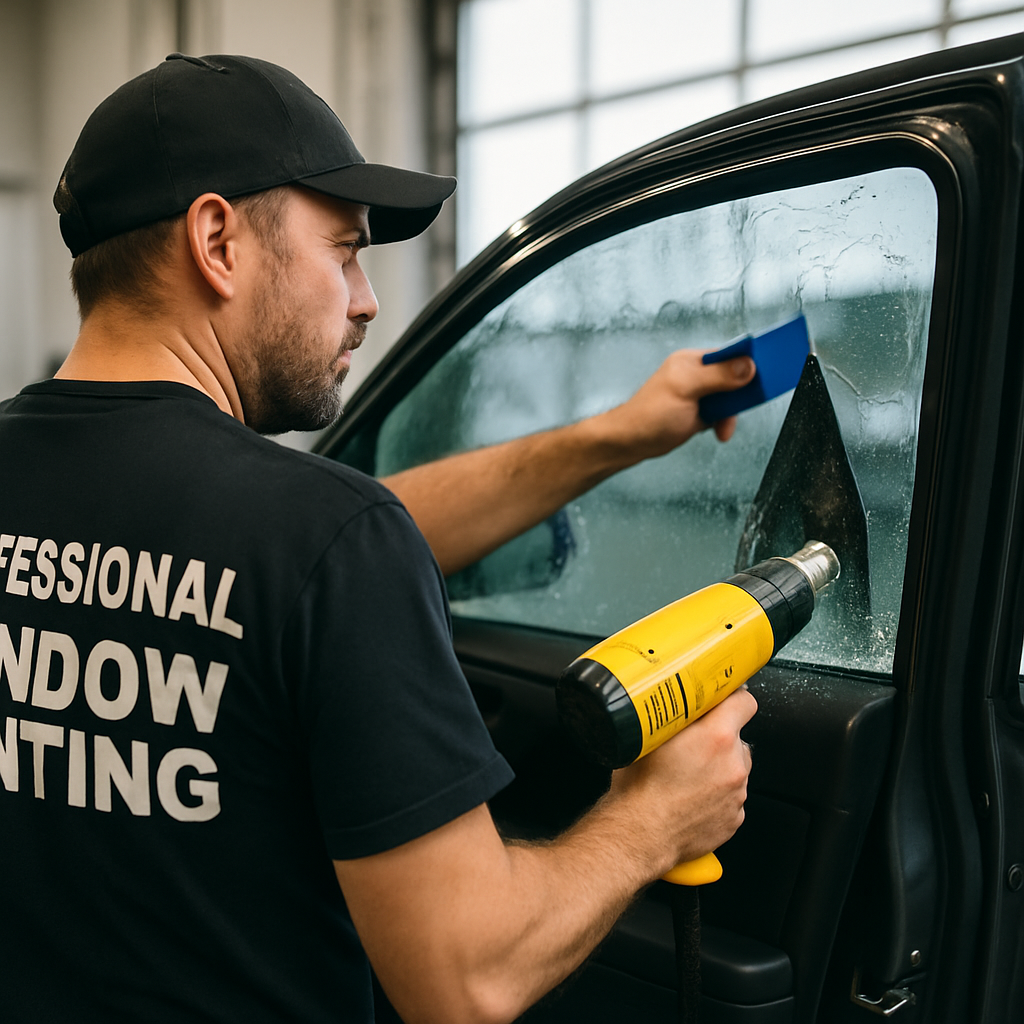
Proper installation is crucial to achieving the best results with privacy window film. Here’s how to ensure a smooth application:
Clean the Glass
Start by thoroughly cleaning the glass surface to remove any dirt, dust, or grease. This will help the film adhere properly and prevent bubbles or imperfections.
Measure and Cut
Measure the dimensions of your window and cut the film accordingly, leaving a slight margin for adjustments. Use a sharp blade to achieve clean, precise edges.
Apply the Film
Peel off the backing and apply the film to the wet glass, smoothing it from the center outward with a squeegee to remove air bubbles and excess water.
Trim Excess Film
Once the film is in place, trim any excess material with a sharp knife or blade, ensuring a neat, seamless finish.
Maintenance and Care
Maintaining privacy window film is simple and straightforward. Here are a few tips to keep it looking its best:
- Cleaning: Use a soft cloth and mild soap solution to clean the film. Avoid abrasive materials that could scratch the surface.
- Avoid Harsh Chemicals: Steer clear of ammonia-based cleaners, as these can damage the film over time.
- Inspect Regularly: Periodically check for any signs of wear or damage, and address issues promptly to extend the film’s lifespan.
Real-Life Applications
Privacy window film is versatile and can be used in various settings beyond residential homes. Some popular applications include:
- Offices: Enhance privacy in meeting rooms or individual workspaces without sacrificing an open feel.
- Retail Stores: Use decorative films to create an inviting storefront while protecting merchandise from UV damage.
- Healthcare Facilities: Maintain patient privacy in consultation rooms and waiting areas with frosted or tinted films.
Conclusion
Privacy window film is a practical and stylish solution for homeowners and interior designers alike. Whether you’re looking to enhance privacy, improve energy efficiency, or add a decorative touch, window film offers a versatile and cost-effective option.
By understanding the various types and benefits of privacy window film, you can make an informed decision that meets your specific needs and elevates your living space. So why not explore the possibilities and discover how privacy window film can transform your home today?