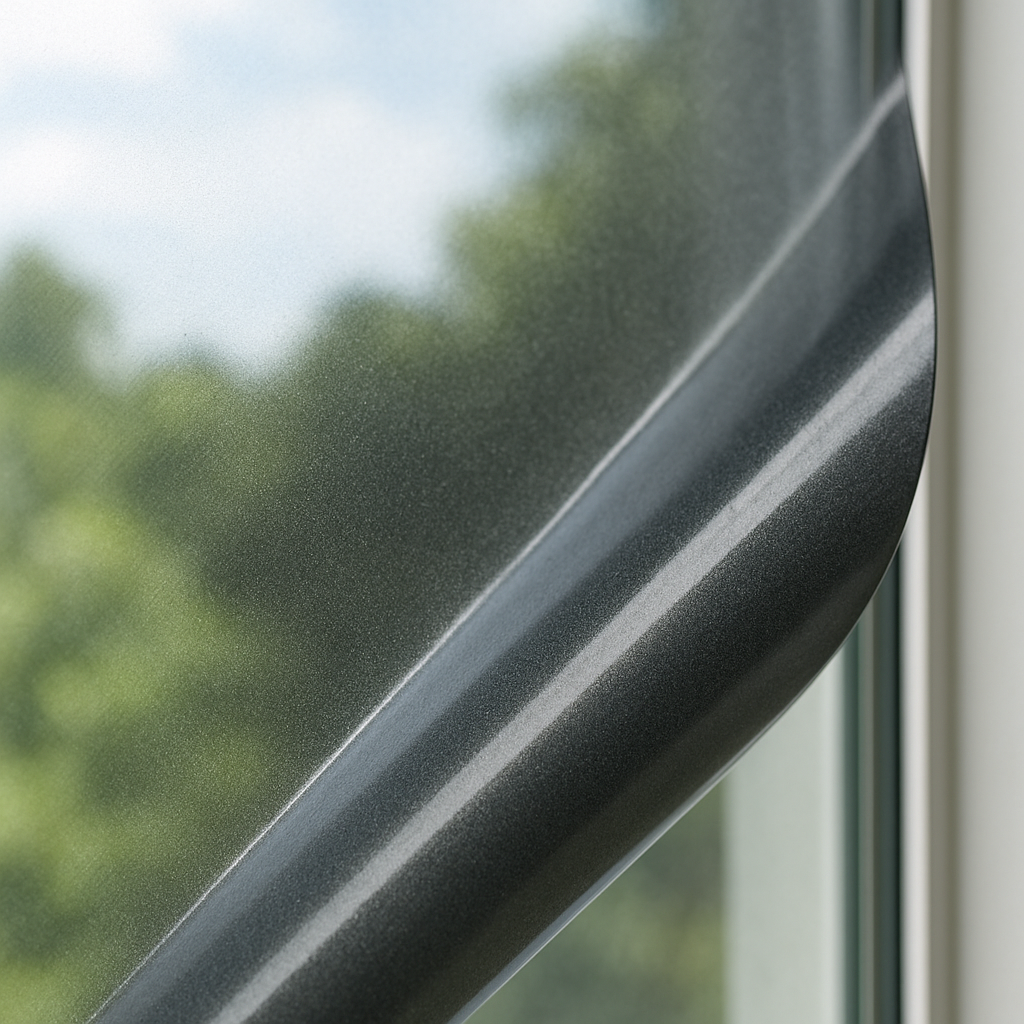
Home window tint films are an excellent investment for homeowners looking to enhance the aesthetics of their living space while also improving energy efficiency. These films not only provide privacy and reduce glare but also help regulate indoor temperatures, which can lead to significant energy savings. However, like any home improvement investment, it’s important to ensure that your window films last as long as possible. This guide will walk you through practical steps to maximize the lifespan of your home window tint films, ensuring you get the most out of your purchase.
Before diving into maintenance tips, it’s crucial to understand what window tint films are. Essentially, they are thin layers of laminate that can be applied to the interior or exterior surfaces of glass windows. Made from polyethylene terephthalate (PET), a type of plastic, these films are available in a variety of shades and levels of reflectivity to suit different needs.
Benefits of Home Window Tint Films
- Energy Efficiency: Window tints can reduce your cooling costs by blocking out heat and harmful UV rays.
- Privacy: Tinted windows offer increased privacy without sacrificing natural light.
- Aesthetic Appeal: With a range of styles and colors, window tints can enhance the overall look of your home.
- Protection: They protect furniture, carpets, and artwork from fading due to sun exposure.
Factors Affecting the Lifespan of Window Tint Films
Several factors can influence how long your window tint films last. Understanding these can help you take proactive measures to extend their lifespan.
Quality of the Film
Higher-quality films generally last longer than cheaper alternatives. When selecting a window film, consider investing in a reputable brand that offers a warranty. This upfront investment can save you money in the long run.
Installation Process
Proper installation is key to the longevity of window tints. A poorly installed film may peel, bubble, or crack over time. Hiring a professional installer ensures that the film is applied correctly, adhering smoothly to the window surface without air pockets or misalignments.
Environmental Conditions

The location of your windows and the environmental conditions they face can impact the durability of the tint. For instance, windows that receive a lot of direct sunlight or are exposed to harsh weather conditions may experience faster wear and tear.
Tips for Maintaining Your Window Tint Films
To keep your window tint films looking great and functioning effectively, regular maintenance is essential. Here are some tips to help you maintain them:
Regular Cleaning
- Use Gentle Cleaners: Avoid harsh chemicals that can degrade the film. Instead, opt for a mild soap solution or a cleaner specifically designed for window tints.
- Soft Cloths Only: Use a soft microfiber cloth or a sponge to clean the windows. Avoid abrasive materials that can scratch the film.
- Regular Schedule: Clean your windows regularly to prevent buildup of dust and grime, which can affect the film’s appearance and performance.
Protecting from Physical Damage
- Avoid Sharp Objects: Be cautious when moving furniture or using tools near tinted windows to prevent accidental scratches or tears.
- Handle with Care: When opening or closing windows, do so gently to avoid stressing the film.
Monitor for Signs of Wear
Regularly inspect your window films for signs of wear such as bubbling, peeling, or discoloration. Early detection of these issues allows you to address them before they worsen.
Professional Maintenance
Consider scheduling periodic professional maintenance to ensure your window films are in optimal condition. Professionals can provide a thorough cleaning and address any minor issues before they develop into major problems.
When to Replace Your Window Tint Films
Even with the best care, window tint films will eventually need to be replaced. Here are some indicators that it might be time for new films:
- Severe Discoloration: Over time, UV exposure can cause films to fade or change color.
- Bubbles and Peeling: If the film is peeling away from the glass or has numerous bubbles that cannot be smoothed out, it’s time for a replacement.
- Reduced Effectiveness: If you notice increased glare or heat penetration, the film may have degraded and is no longer performing effectively.

by Svetlana Rozhdestvenskaia (https://unsplash.com/@sweetspring)
Conclusion
Home window tint films are a valuable addition to any home, offering benefits ranging from energy savings to enhanced privacy. By selecting quality films, ensuring proper installation, and committing to regular maintenance, you can maximize their lifespan and continue to enjoy their advantages for years to come. Whether you’re an interior designer seeking to provide clients with stylish and eco-friendly solutions or a homeowner looking to improve your living space, these tips will help you make the most of your window tint films.