
In today’s world, privacy is a top priority for homeowners. With increasing urbanization and the rise of densely populated neighborhoods, the need for personal space has never been greater. Whether you’re looking to enjoy a quiet evening without prying eyes or enhance the aesthetic appeal of your space, window films offer a versatile solution. These films not only cater to privacy needs but also serve as an aesthetic enhancement to your home decor. But what exactly can window films do for you when it comes to nighttime privacy, and where do they fall short? Let’s explore the capabilities and limitations of window films to help you make an informed decision.
Window films are thin layers of material applied to glass surfaces. They come in various styles and tints, designed to improve privacy, reduce glare, and even enhance energy efficiency. Made from polyester or vinyl, these films can transform any window into a multifunctional surface. When considering window films for nighttime privacy, it’s essential to understand how they work and what results you can expect.
How Window Films Work
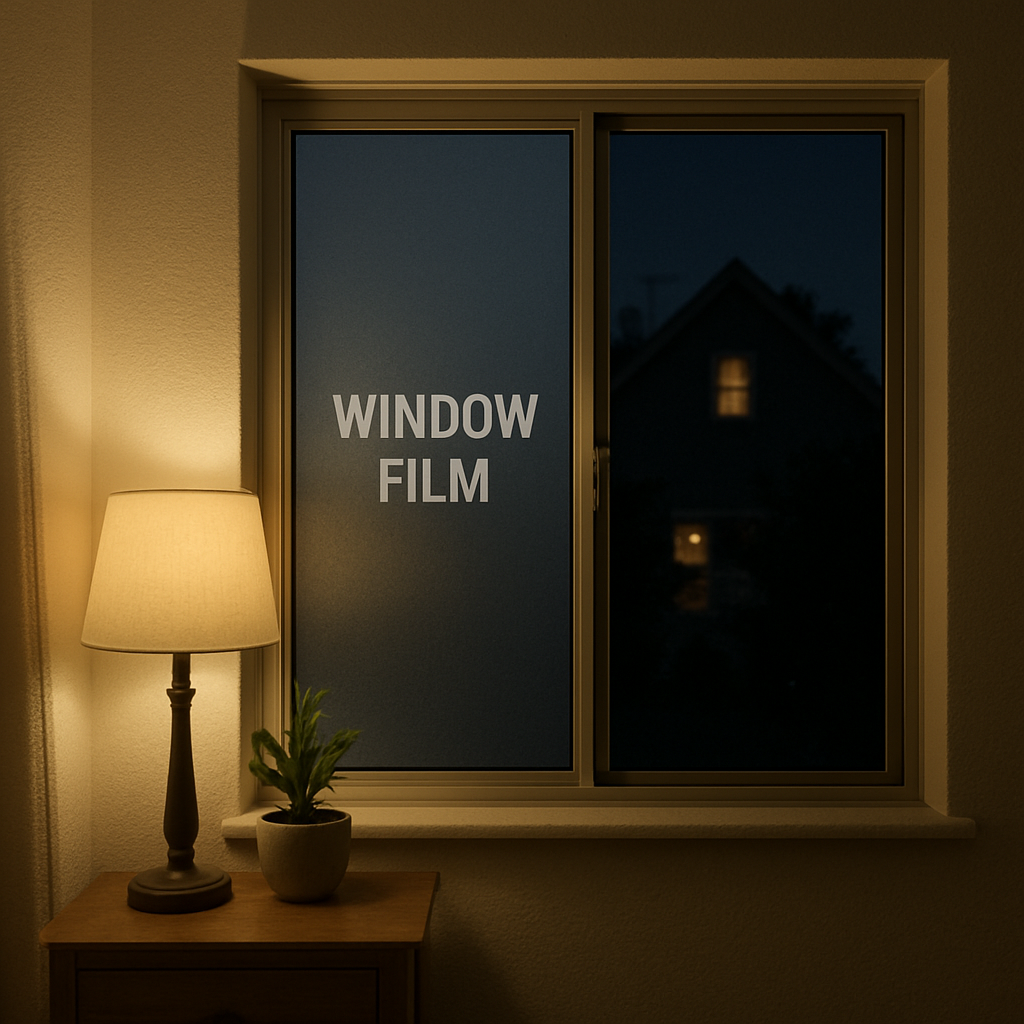
During the day, window films provide privacy by reflecting sunlight, making it difficult for outsiders to see inside. They function like a one-way mirror, with the brighter side being more reflective. However, their effectiveness changes when the sun goes down. At night, with interior lights on, the situation is reversed. The interior becomes more visible from the outside, which is why understanding the limitations of window films at night is crucial. This reversal is due to the lack of natural light, which diminishes the reflective properties of the film.
Nighttime Privacy: What Window Films Can Do
Provide Daytime Privacy
Window films excel at providing privacy during the day. They reduce visibility from the outside while allowing natural light to filter in. This is ideal for homeowners who want to maintain a bright and airy atmosphere without compromising privacy. The films allow you to enjoy the outdoor view without the worry of onlookers peering into your space, making them perfect for homes in busy neighborhoods or near public walkways.
Reduce Glare and UV Rays
While not directly related to nighttime privacy, it’s worth noting that window films can significantly reduce glare from the sun and block harmful UV rays. According to the U.S. Environmental Protection Agency (EPA), prolonged exposure to UV radiation can cause interior fading and health risks. Window films help mitigate these effects by limiting UV penetration. This helps protect your furniture and flooring from fading and enhances the comfort of your living space. By filtering out these harmful rays, window films contribute to a healthier indoor environment, preserving the quality of your interior decor over time. Additionally, reducing glare improves screen visibility, making it easier to work from home or enjoy leisure activities without straining your eyes.
Enhance Energy Efficiency
Certain window films are designed to improve energy efficiency by reflecting heat during the summer and retaining warmth during the winter. The U.S. Department of Energy highlights how window improvements can significantly impact a home’s energy performance. This can lead to reduced energy bills and a more comfortable home environment. By regulating indoor temperatures, these films help maintain a consistent climate, reducing the need for excessive heating or cooling. The energy savings contribute to a more sustainable lifestyle, aligning with the growing trend towards eco-friendly home solutions.
Nighttime Privacy: What Window Films Can’t Do
Provide Complete Nighttime Privacy
The primary limitation of window films is their inability to provide complete privacy at night when interior lights are on. Since window films rely on light reflection, their effectiveness diminishes in low light conditions, such as nighttime. If complete privacy is a must for you, window films alone might not suffice. The transparency of glass becomes more pronounced when interior lighting is brighter than outside, effectively reversing the intended privacy effect.
Replace Blinds or Curtains
Window films are a great addition to your privacy toolkit, but they’re not a substitute for traditional window coverings like blinds or curtains. These coverings can be drawn at night to ensure privacy when window films can’t. Combining films with curtains or blinds provides a layered approach to privacy, giving you control over light and visibility. This combination not only enhances privacy but also adds an element of design versatility to your space.
Block Out All Light
While window films can reduce glare, they won’t block out all light. If your goal is to create a completely dark environment for better sleep, consider combining window films with blackout curtains or shades. This combination ensures a restful night’s sleep by blocking external light sources, which is especially beneficial for bedrooms or media rooms. For those who require absolute darkness, investing in blackout solutions is essential for optimizing rest and relaxation.
Alternative Solutions for Nighttime Privacy

by Max Böhme (https://unsplash.com/@max_boehme)
Layered Window Treatments
To enhance privacy at night, consider using a combination of window films and other coverings. Layering window films with blinds or curtains provides flexibility and ensures privacy when needed. This approach allows you to adjust the level of privacy and light according to the time of day or your activities. By layering, you not only enhance privacy but also add depth and texture to your window design, creating a more polished look.
Smart Window Coverings
Smart window coverings offer an innovative solution. These motorized blinds or shades can be programmed to close automatically at sunset, ensuring privacy without manual intervention. They integrate seamlessly into smart home systems, allowing for remote control via smartphone or voice commands. This convenience adds a layer of sophistication to home management, offering a modern solution to traditional privacy concerns.
One-Way Mirror Films
For those seeking a more advanced solution, one-way mirror films can provide enhanced privacy. These films create a reflective surface on one side, making it difficult for outsiders to see in. However, they still require additional coverings at night for complete privacy. One-way mirror films are particularly useful in commercial settings or for rooms that require daytime privacy without compromising natural light. When combined with other treatments, they form an effective part of a comprehensive privacy strategy.
Choosing the Right Window Film
When selecting window films for your home, consider the following factors:
Tint and Reflectivity
Different films offer varying levels of tint and reflectivity. Choose a film that aligns with your privacy needs and complements your interior design. The level of tint can also affect the amount of light that enters a room, influencing the ambiance and mood. Reflectivity levels dictate how much visibility is reduced from the outside, so it’s crucial to balance privacy with light penetration.
Installation Quality
Proper installation is crucial for the effectiveness of window films. Consider hiring a professional installer to ensure a flawless application and maximize the film’s benefits. A professional installation ensures that the film adheres properly without bubbles or creases, which can detract from both appearance and performance. Additionally, expert installers can provide valuable advice on maintenance and care to prolong the life of the film.
Brand and Material Quality
Opt for reputable brands known for producing high-quality window films. Investing in durable materials ensures longevity and sustained performance. High-quality films resist wear and tear, maintaining their appearance and functionality over time. Choosing the right brand also means benefiting from warranties and customer support, providing peace of mind for your investment.
Conclusion
Window films are a valuable addition to any home, offering daytime privacy, glare reduction, and energy efficiency. However, they have limitations when it comes to nighttime privacy. By understanding these limitations and exploring alternative solutions, you can create a comfortable and private living environment tailored to your needs. Whether you’re an interior designer seeking stylish and eco-friendly options or a homeowner looking to enhance your space, window films can be a key component of your window privacy strategy.
With the right combination of window films and complementary treatments, you can enjoy the best of both worlds: a bright and inviting home during the day and a private sanctuary at night. By integrating these solutions, you not only enhance privacy but also improve the overall comfort and energy efficiency of your home, contributing to a sustainable and harmonious living space.