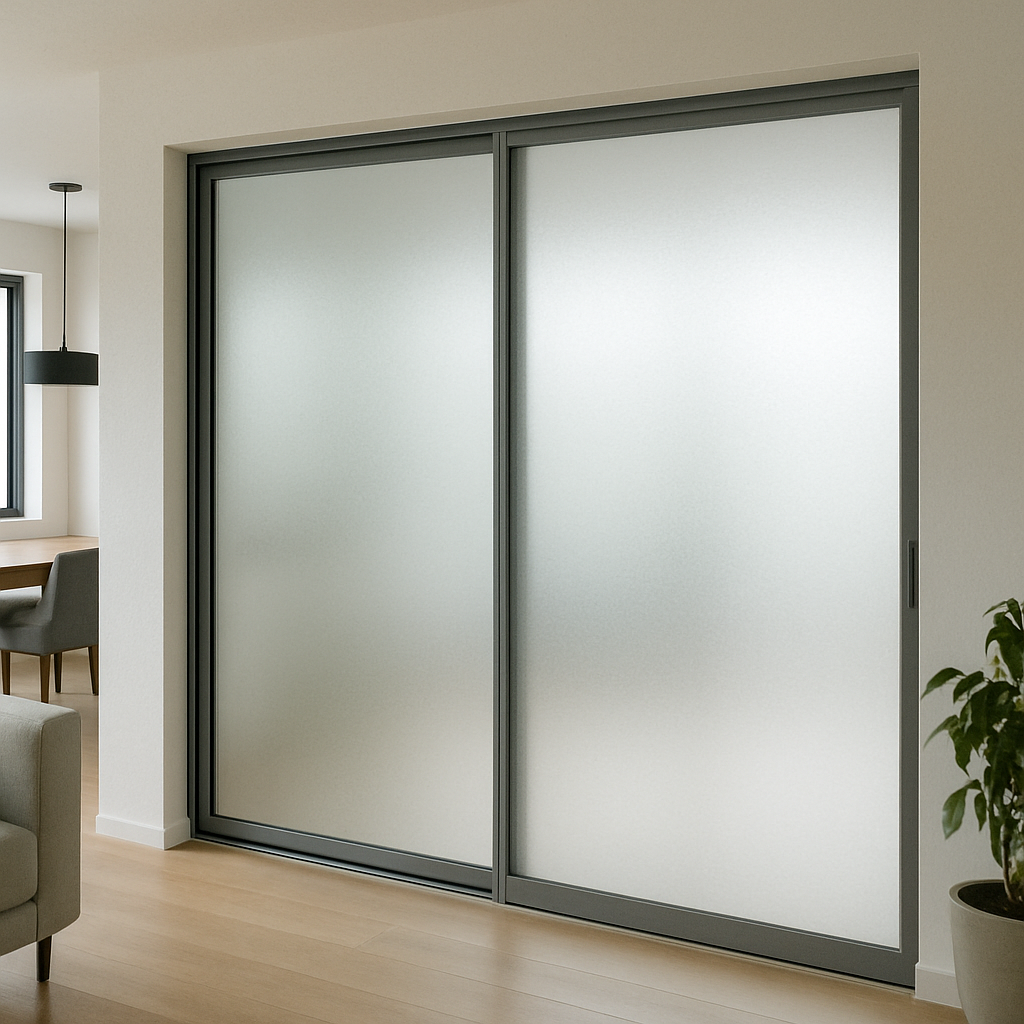
Removing old window tinting can be a daunting task, especially if you’ve never done it before. However, with the right techniques and tools, you can strip off old window tinting efficiently and effectively. Whether you’re a homeowner looking to refresh your windows or an interior designer seeking to enhance energy efficiency and aesthetics for your clients, this guide will provide you with the insights you need.
Window tinting offers numerous advantages, such as reducing glare, blocking harmful UV rays, and enhancing privacy. However, over time, the tint can fade, peel, or bubble, diminishing its effectiveness and appearance.
When this happens, removing the old tint becomes necessary. The challenge lies in doing so without damaging the window glass.
Why Remove Old Window Tint?
Old window tint can become unsightly and less effective over time. Peeling or bubbling tint not only looks unattractive but also fails to provide the privacy, UV protection, and glare reduction benefits it once did. By removing the old tint, you can restore the window’s clarity and prepare it for a fresh application if desired.
Preparing for the Removal Process
Before you begin, gather the necessary tools and materials. You’ll need:
A razor blade or utility knife
A spray bottle filled with soapy water or ammonia solution
A hairdryer or heat gun
A plastic scraper or credit card
Paper towels or a clean cloth
Safety First
When working with sharp tools and chemicals, safety is paramount. Wear gloves to protect your hands and goggles to shield your eyes from any flying debris or splashes.
Step-by-Step Guide to Removing Window Tint
Method 1: The Soapy Water Technique
Spray the Tint: Fill a spray bottle with soapy water. Spray the tinted surface generously until it is thoroughly soaked. The soapy water helps to loosen the adhesive.
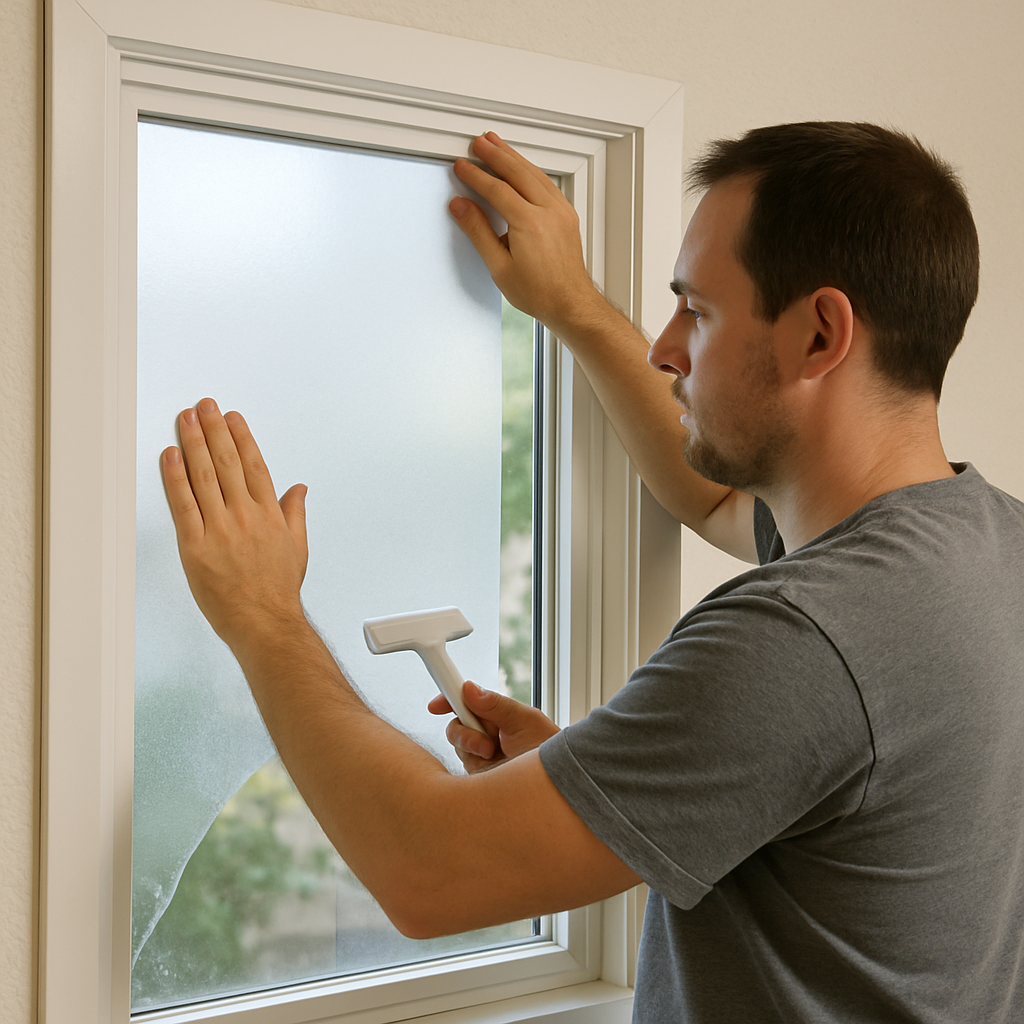
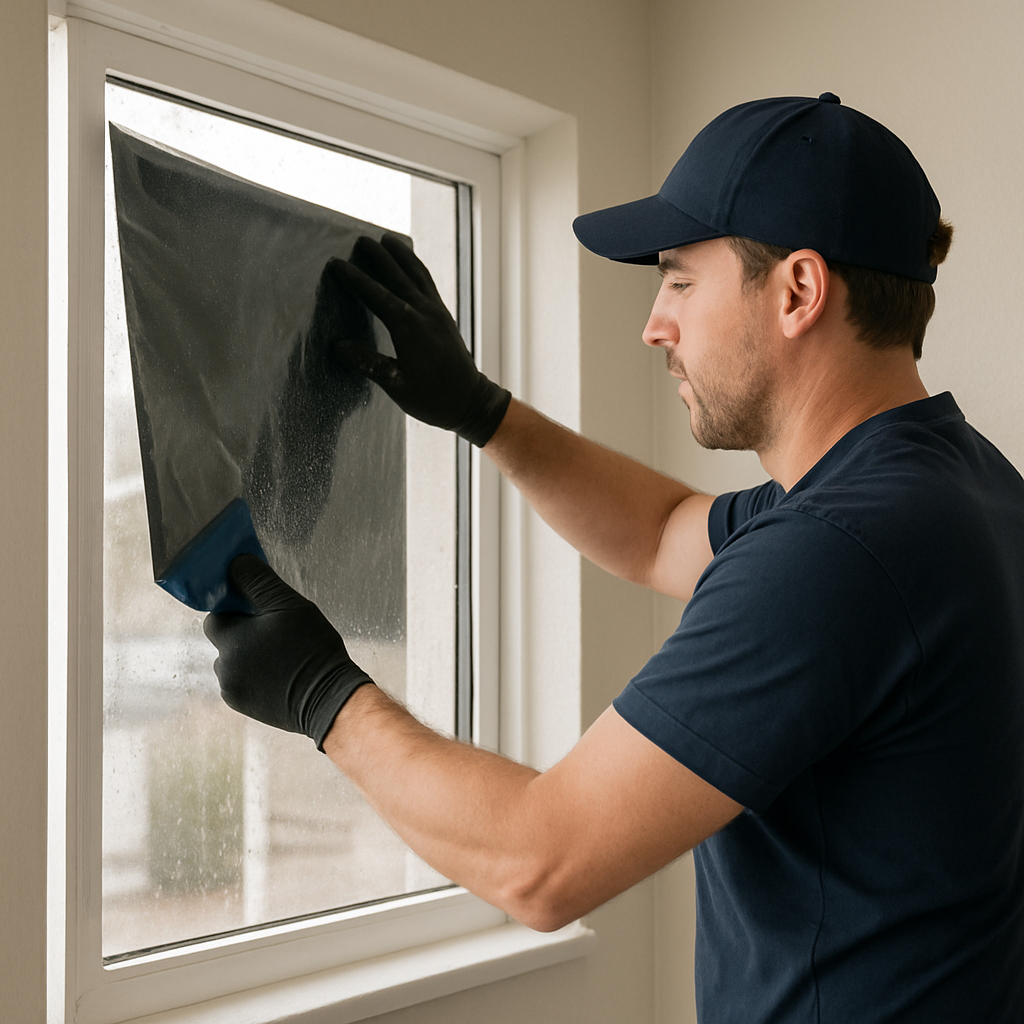
Peel the Tint: Start at one corner of the window. Use a razor blade or utility knife to lift the edge of the tint. Once you have a grip, gently peel the tint away from the glass. Spray more soapy water as needed to keep the adhesive wet.
Remove Residue: After peeling off the tint, some adhesive residue may remain on the glass. Use the razor blade to carefully scrape it off, spraying more soapy water as needed to keep the surface wet.
Clean the Glass: Once the tint and residue are removed, wipe the glass with a clean cloth or paper towel to remove any remaining moisture or debris.
Method 2: The Ammonia and Sun Method
Prepare the Solution: Fill a spray bottle with a solution of equal parts ammonia and water.
Soak the Tint: Spray the ammonia solution generously over the tint. Cover the window with a plastic garbage bag to hold in the moisture and let it sit in the sun for about an hour. The sun’s heat will help the ammonia break down the adhesive.
Peel and Clean: Remove the plastic bag and peel the tint off starting from one corner. Use a plastic scraper to remove any remaining adhesive. Wipe the window clean with a damp cloth.
Method 3: The Heat Gun or Hairdryer Method
Heat the Tint: Use a hairdryer or heat gun to warm the surface of the window tint. Hold it a few inches away from the glass to avoid overheating.
Peel the Tint: As the adhesive warms up, start peeling the tint from one corner. The heat will help loosen the adhesive, making it easier to remove the tint.
Remove Residue: Use a plastic scraper to remove any leftover adhesive. If needed, apply more heat to soften the residue.
Final Cleaning: Clean the window with a damp cloth to remove any remaining residue or streaks.
Tips for Success
Be patient and take your time. Rushing the process can lead to scratches or damage to the glass.
If the tint is stubborn, apply more solution and let it sit for a while longer.
Use a plastic scraper instead of metal to avoid scratching the glass.
When to Call a Professional
While these techniques are effective for most DIY enthusiasts, there are times when calling a professional might be the best option. If you’re dealing with large windows or find the tint too challenging to remove, a professional can help ensure a smooth and damage-free removal process.
Conclusion
Removing old window tinting doesn’t have to be a daunting task. With the right techniques and a bit of patience, you can achieve clear, tint-free windows that are ready for a new look. Whether you’re aiming to enhance the aesthetics of your home or improve energy efficiency, these methods will guide you through the process with ease.
By understanding and applying these techniques, you can meet your client’s needs, providing them with stylish, eco-friendly window solutions that complement their interior designs and reduce energy bills.
In the realm of modern architecture and interior design, commercial window tinting has emerged as an innovative solution offering a blend of aesthetics, functionality, and sustainability. As an expert in window film installations, I will guide you through the creative ways you can leverage commercial window tinting to enhance your spaces, whether in executive offices, retail environments, or any commercial setting.
Before diving into creative applications, it’s essential to understand the core benefits of commercial window tinting. These films serve more than just a decorative purpose; they are instrumental in energy efficiency, privacy, and glare reduction.
Commercial window tinting can significantly reduce energy consumption by blocking out heat-generating UV rays. This reduces the dependency on air conditioning systems, leading to lower energy bills. For business owners and interior designers, this means providing a cost-effective solution that enhances comfort without compromising style.
Enhanced Privacy and Security
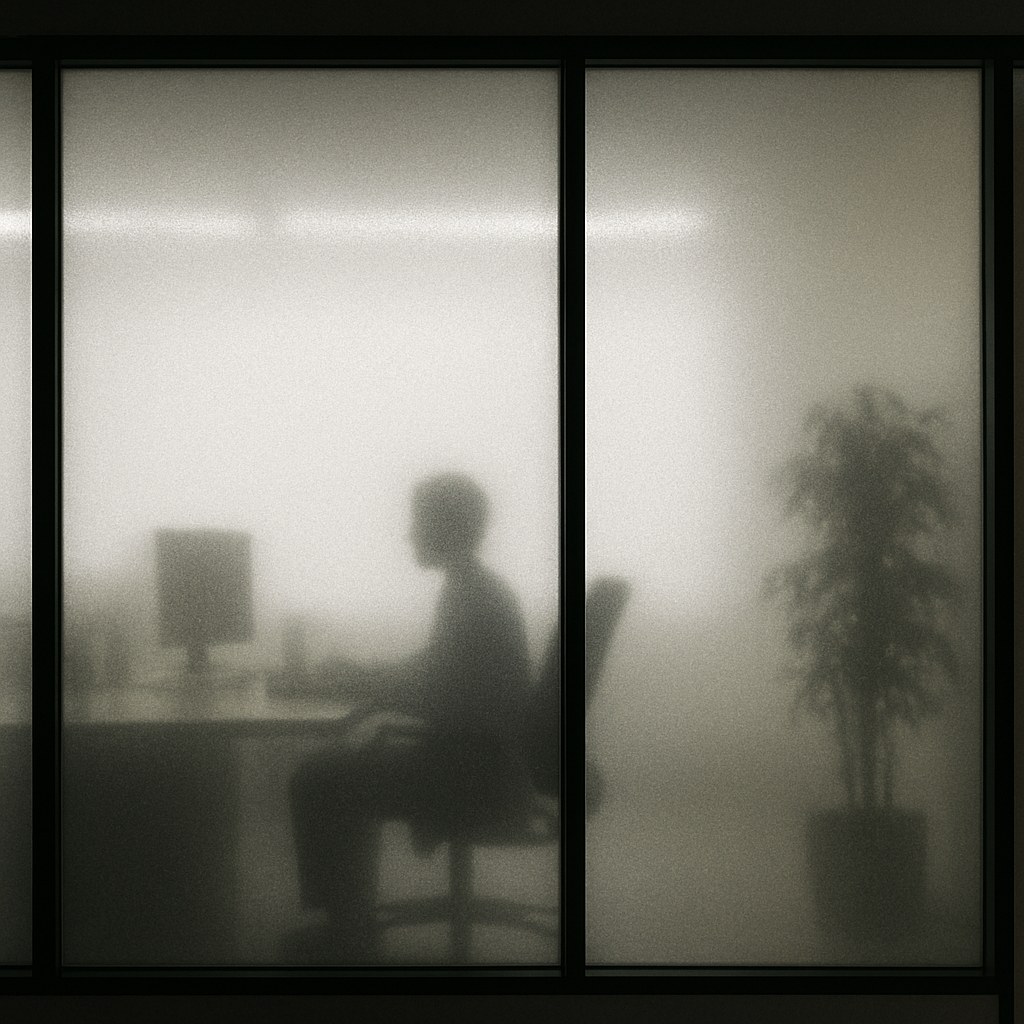
Privacy window films are particularly valuable in commercial settings where confidentiality is paramount. They allow natural light to enter while obscuring the view from outside, creating a secure and private environment for employees and clients alike.
Glare Reduction and Comfort
Working in an environment with excessive glare can strain the eyes and reduce productivity. Commercial window tinting mitigates this issue by filtering out harsh sunlight, creating a more comfortable and productive workspace.
Creative Applications of Commercial Window Tinting
With the benefits clear, let’s explore the innovative ways to incorporate window tinting into your commercial design strategy.
Branding and Aesthetics
One of the most exciting applications of commercial window tinting is in branding. Custom films can be designed to include company logos, slogans, or specific patterns that align with your brand identity. This not only reinforces brand presence but also enhances the overall aesthetic appeal of the space.
Dynamic Interior Designs
Commercial window tinting offers a versatile medium for creative interior designs. By choosing films with unique patterns, colors, or gradients, you can transform ordinary glass into a dynamic design element that complements the interior decor. This approach is perfect for creating thematic environments in retail spaces or hospitality settings.
Privacy Zones and Open Spaces
In modern office layouts that favor open spaces, maintaining privacy can be challenging. Here, privacy window films come into play. They can be strategically applied to conference rooms, meeting areas, or individual workstations to create private zones without sacrificing the open space feel.
Daylight Management
Tinted films allow for strategic daylight management, which is crucial in settings like galleries or showrooms where specific lighting conditions are desired. By controlling the amount of natural light, you can highlight displays and create an ambiance that enhances the visitor experience.
Sustainability and Eco-Friendliness
Incorporating window tinting as part of a sustainability initiative is a forward-thinking approach. By reducing energy consumption and enhancing HVAC efficiency, window films contribute to a building’s eco-friendly credentials. This is a compelling selling point for businesses aiming to meet green building standards.
Choosing the Right Commercial Window Tinting Solutions
When selecting window tinting for commercial applications, several factors should be considered to ensure the best results.
Material and Quality
Opt for high-quality films that offer durability and effective UV protection. Executive tinting automotive residential and commercial window tinting solutions often provide a wide range of premium films that cater to diverse needs.
Customization Options
Choose films that offer customization to align with your design vision. Whether it’s a specific color scheme, pattern, or brand integration, ensure the provider can meet your customization requirements.
Installation Expertise
The installation process is crucial to achieving a flawless finish. Professional installation ensures the film is applied correctly, maximizing its benefits and longevity. Always work with certified installers who have experience in commercial projects.
Real-World Examples of Commercial Window Tinting Success
To illustrate the impact of window tinting, let’s look at some real-world applications that highlight its versatility.
Retail stores have successfully used decorative films to create eye-catching displays that attract customers and enhance the shopping experience. By using seasonal themes or promotional graphics, window tinting becomes a dynamic advertising tool.
Corporate Offices
In corporate environments, tinted films have been used to foster a professional atmosphere while maintaining privacy. Conference rooms with frosted or gradient films provide confidentiality without isolating employees from the collaborative office environment.
Hospitality Industry
Hotels and restaurants use tinted films to create inviting and comfortable spaces for guests. By controlling light and enhancing privacy, window films contribute to a relaxing ambiance that encourages repeat visits.
Conclusion
Commercial window tinting is a powerful tool in the hands of interior designers and business owners looking to enhance their spaces creatively and effectively. With its myriad benefits—from energy efficiency to aesthetic enhancement—window tinting offers a versatile solution that aligns with modern design and sustainability goals.
By choosing the right materials and working with experienced professionals, you can harness the full potential of window tinting to transform commercial spaces into innovative, inviting, and efficient environments.
For those keen on exploring these possibilities, consider partnering with experts in executive tinting automotive residential and commercial window tinting to bring your creative vision to life. Together, you can craft spaces that not only meet functional needs but also inspire and captivate.
In this article, we will explore the advantages of glass protection film and help you determine whether your home could benefit from this remarkable technology. By examining the various types available and their corresponding benefits, you will be better equipped to make an informed decision. Whether your priority is enhancing security, improving energy efficiency, or simply adding a decorative touch, there is a film option that can meet your needs.
Glass protection film, commonly known as window film, is a thin laminate film that can be applied to the interior or exterior of glass surfaces in homes. Made from polyester or similar materials, these films are designed to adhere to glass surfaces seamlessly. These films come in various types, each designed to address specific needs such as safety, UV protection, privacy, and energy efficiency. This flexibility allows homeowners to tailor their choices to the unique demands of their living spaces.
Types of Glass Protection Film
Safety and Security Film: Provides an extra layer of protection by holding shattered glass together in the event of breakage, which can deter burglars and prevent injuries from flying glass shards. These films are particularly beneficial in areas prone to natural disasters like hurricanes, where flying debris can pose significant risks. The peace of mind that comes with knowing your home is safeguarded against such threats is invaluable.
Solar Control Film: Reduces heat and glare from sunlight, which can help to lower energy costs and protect furniture from fading. By blocking a significant portion of solar heat, these films can make indoor spaces more comfortable during extreme weather conditions. They also mitigate the need for artificial cooling, leading to potential long-term savings on energy bills.
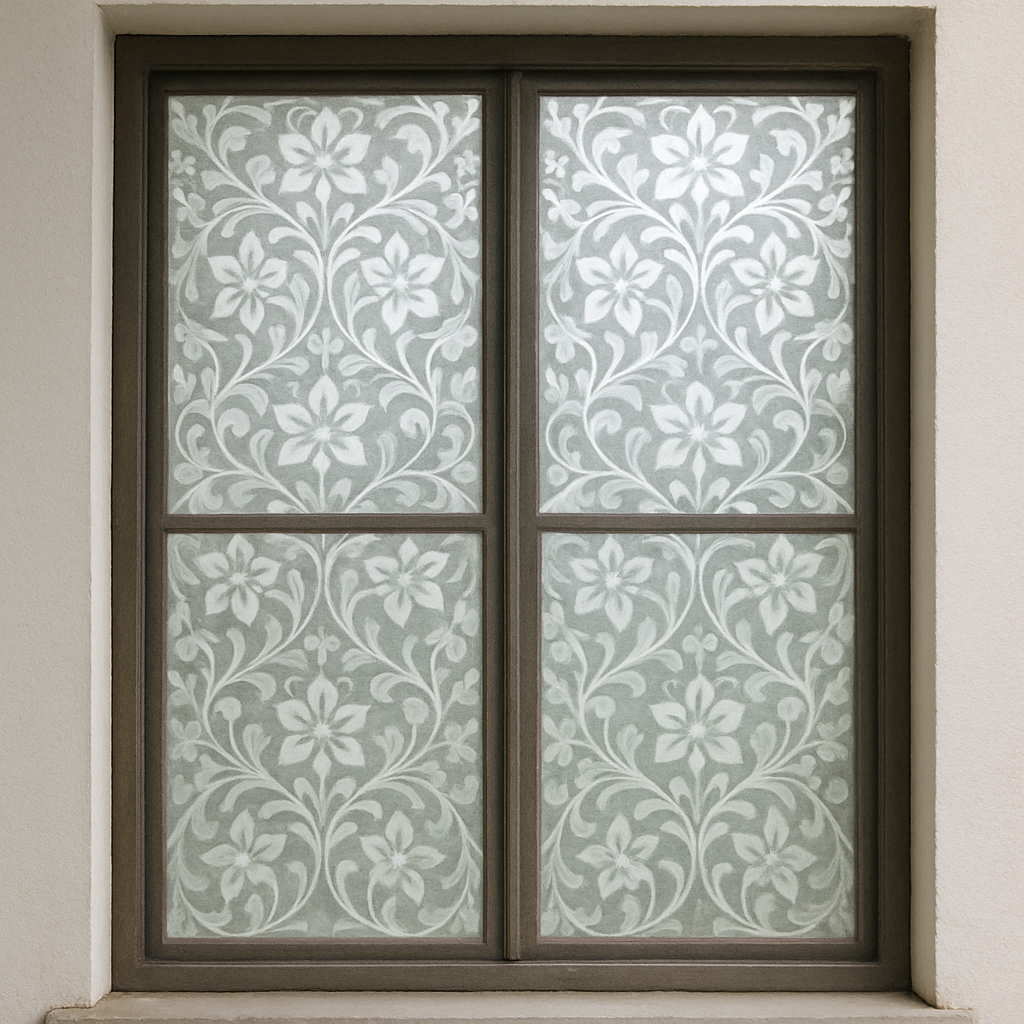
Decorative Film: Offers a variety of patterns and designs, allowing for customization without sacrificing natural light. These films can mimic the appearance of frosted or etched glass, offering a high-end look without the associated cost. This makes them an excellent choice for those wishing to add a personal touch to their home decor.
Privacy Film: Enhances privacy by obscuring views from the outside while maintaining clear visibility from the inside. This is particularly useful in urban settings where homes are in close proximity to one another. Privacy films are available in various opacities, allowing you to choose the level of privacy that best suits your needs.
One of the primary reasons homeowners consider glass protection film is for enhanced security. The film makes windows more difficult to penetrate, thereby increasing the time it takes for an intruder to gain entry. This delay can be critical, giving you more time to respond or for authorities to arrive. Additionally, the mere presence of security film can act as a deterrent, discouraging potential intruders from attempting a break-in in the first place.
Moreover, in high-risk areas, combining glass protection film with other security measures such as alarm systems and reinforced locks can create a comprehensive security strategy. This multifaceted approach ensures that your home is well-protected from multiple angles, providing an added layer of safety for your family. According to the Cybersecurity & Infrastructure Security Agency (CISA), strengthening physical barriers like windows is an important component of improving overall building security.
Improved Energy Efficiency
With rising energy costs, homeowners are constantly seeking ways to reduce their energy bills. Solar control films can significantly lower cooling costs by reflecting heat away from windows, keeping your home cooler during the hot summer months. Additionally, they help retain heat during the winter, contributing to overall energy savings year-round. This dual function makes them an attractive option for those living in regions with extreme weather variations.
Furthermore, by reducing the reliance on HVAC systems, solar control films also contribute to a smaller carbon footprint. This aligns with the growing trend towards sustainable living, making it an environmentally responsible choice. Over time, the energy savings can offset the initial investment in the films, offering financial as well as ecological benefits. The U.S. Department of Energy notes that energy-efficient window treatments can significantly reduce heat loss and gain, improving overall home efficiency.
UV Protection
Harmful ultraviolet (UV) rays can cause significant damage to your home’s interior, fading furniture, flooring, and artwork over time. Glass protection films can block up to 99% of UV rays, prolonging the life and vibrancy of your home’s decor. This protection is especially important for homes with large windows or those located in sunny climates.
In addition to preserving interior aesthetics, UV-blocking films also offer health benefits by reducing your exposure to harmful rays. This can be particularly important for individuals with skin sensitivities or those looking to minimize health risks associated with prolonged UV exposure. By investing in UV protection films, you’re safeguarding both your home and your well-being.
Increased Privacy
Privacy is a key consideration for many homeowners, especially those living in densely populated areas. Privacy films offer a solution that allows natural light to enter while blocking the view from outside. This is particularly beneficial for ground-level windows or bathroom settings. By choosing privacy films, you can enjoy the comfort of your home without feeling exposed to the outside world.
Moreover, privacy films are an excellent alternative to traditional window treatments like curtains or blinds, which can be cumbersome and obstructive. They offer a sleek, modern look that complements contemporary interior designs, enhancing both functionality and style.
Aesthetic Appeal
Decorative films are a versatile option for those looking to add a unique touch to their home’s interior. Available in a range of styles and finishes, they can transform ordinary windows into extraordinary design elements that enhance any room’s decor. Whether you prefer a minimalist design or a bold statement piece, decorative films can cater to your tastes.
In addition to their aesthetic appeal, these films offer practical benefits such as UV protection and glare reduction, making them a multifunctional choice. They can be used strategically in various rooms to create a cohesive look throughout your home, elevating your interior design to new heights.
Is Glass Protection Film Right for Your Home?
While the benefits of glass protection film are clear, it’s essential to assess whether this solution aligns with your specific needs and circumstances. Consider factors such as your home’s location, energy consumption, privacy concerns, and design preferences when making your decision.
Consider Your Home’s Location
Homes located in areas prone to severe weather, such as hurricanes or hailstorms, can benefit significantly from safety films that help prevent glass from shattering. Similarly, if your home is situated in a high-crime area, security films add an extra layer of protection against break-ins. Understanding the unique challenges of your geographical area is crucial in selecting the right type of film.
In regions with fluctuating climates, combining solar control with safety films can offer comprehensive protection. This approach ensures that your home is prepared for both environmental and security threats, providing peace of mind year-round.
Evaluate Your Energy Costs
If your energy bills are consistently high due to cooling and heating demands, solar control films can offer substantial savings. By reducing the amount of heat entering your home, these films lessen the burden on your HVAC system, leading to lower energy consumption. This not only saves money but also extends the lifespan of your heating and cooling equipment.
Consider conducting an energy audit to better understand your home’s energy usage patterns. This analysis can highlight areas where improvements can be made, allowing you to optimize your energy efficiency through the strategic use of window films.
Assess Your Privacy Needs
If privacy is a concern, especially in rooms facing public streets or neighbors, privacy films provide an effective solution without the need for heavy curtains or blinds that block natural light. Privacy films can be tailored to offer various levels of opacity, ensuring that your specific privacy requirements are met.
Additionally, privacy films can be a valuable tool for businesses or home offices, where confidentiality is paramount. By preventing unwanted views, these films create a secure environment for work and meetings.
Explore Aesthetic Preferences
For those who value interior design and aesthetics, decorative films offer an opportunity to personalize spaces creatively. Consider the overall style of your home and how window films can complement or enhance your decor. These films can be used to create focal points, add color, or introduce textures that enhance the visual appeal of your living spaces.
Collaboration with an interior designer can provide insights into the latest trends and help you select films that align with your aesthetic vision. This partnership ensures that your home remains stylish and contemporary, reflecting your personal taste and lifestyle.
Installation and Maintenance
Installing glass protection film is a straightforward process, but it’s essential to have it done professionally to ensure optimal performance and longevity. A professional installer will accurately measure and apply the film to avoid bubbles or creases, ensuring a flawless finish. Proper installation is crucial in maximizing the film’s benefits and ensuring it adheres correctly to the glass surface.
Maintenance is minimal; regular cleaning with non-abrasive solutions will keep your films looking new. Avoiding harsh chemicals or rough cleaning materials will help preserve the integrity of the film. With proper care, glass protection films can last for several years, providing ongoing benefits without frequent replacement.
Conclusion
Glass protection film is a versatile home improvement solution that offers numerous benefits, from enhanced security and energy efficiency to aesthetic customization and UV protection. By considering your specific needs and evaluating the different types of films available, you can make an informed decision about whether this innovative technology is right for your home. The adaptability of glass protection films makes them a valuable addition to any home, regardless of its size or location.
Whether you’re a homeowner looking to improve your living space or an interior designer seeking cost-effective solutions for clients, glass protection film stands as a worthwhile investment. With its ability to enhance both the functionality and appearance of windows, it’s an upgrade that delivers value on multiple fronts. Embrace this technology and transform your home into a more secure, energy-efficient, and aesthetically pleasing space.
# How Window Tinting Adds a Layer of Cold Weather Protection
When it comes to enhancing comfort and energy efficiency in your home, window tinting might not be the first solution that comes to mind. Most people associate window films with reducing glare and blocking UV rays during the summer months. However, did you know that window tinting can also add a layer of cold weather protection to your home?
This article will explore how window tinting contributes to energy efficiency, helps maintain indoor comfort, and offers a stylish, eco-friendly solution for homeowners and interior designers.
What is Thermal Window Tint?
Thermal window tint, also known as insulating window film, is a specialized type of window film designed to improve the insulation properties of your windows. Unlike traditional window films that focus solely on blocking sunlight, thermal tints are engineered to reduce heat transfer through windows.
By reflecting heat back into the room during colder months and blocking excessive heat during warmer months, these films help maintain a consistent indoor temperature. This makes them an ideal year-round solution for energy efficiency and comfort.
How Does It Work?
Thermal window tints work by using advanced materials that reflect infrared heat while allowing visible light to pass through. This technology keeps the heat inside your home during the winter, reducing the need for excessive heating. During summer, it prevents excessive heat from entering your home, keeping it cooler without over-relying on air conditioning.
The result is a more stable indoor climate, which translates into reduced energy consumption and lower utility bills. According to the U.S. Department of Energy, energy-efficient window treatments can significantly improve insulation and reduce heat loss.
Benefits of Window Tinting for Cold Weather Protection
Improved Insulation
One of the primary benefits of thermal window tint is its ability to improve the insulation of your windows. Windows are often the weakest link in a home’s insulation, with heat easily escaping through them. By adding a layer of thermal film, you can significantly reduce heat loss and improve the overall energy efficiency of your home.
Energy Savings
By reducing heat loss, thermal window tints help lower your heating costs during the winter months. The energy savings can be substantial, especially in regions with cold climates. Over time, the cost savings on your energy bills can offset the initial investment in window tinting, making it a cost-effective solution for homeowners.
Enhanced Comfort
Thermal window tints contribute to a more comfortable indoor environment by reducing drafts and cold spots near windows. This is particularly beneficial in older homes where windows may not be as well-insulated. With window tinting, you can enjoy a cozy and warm living space without the need for additional heating devices or heavy curtains.
UV Protection
In addition to thermal benefits, window tints offer protection from harmful UV rays. While UV rays are more of a concern in summer, they can still cause damage to your furniture, flooring, and artwork during the winter months. Window tints help block up to 99% of UV rays, preserving the longevity of your interiors. The U.S. Environmental Protection Agency explains how UV exposure affects materials and indoor environments.
Window tints come in a variety of shades and finishes, allowing you to choose a style that complements your home’s interior design. Whether you prefer a subtle, barely-there look or a more reflective finish, there are options to suit every taste and style. This makes window tinting an attractive choice for interior designers looking to enhance both aesthetics and functionality.
Eco-Friendly Choice
By improving energy efficiency and reducing reliance on heating and cooling systems, window tinting supports eco-friendly living. Lower energy consumption translates into reduced greenhouse gas emissions, making window tinting a sustainable choice for environmentally conscious homeowners.
Installation and Maintenance
Professional Installation
For the best results, it’s recommended to have thermal window tints professionally installed. A skilled installer will ensure that the film is applied smoothly and without bubbles, ensuring maximum performance and longevity. Professional installation also typically comes with a warranty, offering peace of mind for your investment. To find professional installers for window films, it’s important to choose experienced specialists who understand proper application techniques.
Easy Maintenance
Maintaining window tints is simple and straightforward. Regular cleaning with a mild soap solution and a soft cloth will keep your windows looking clear and bright. Avoid using abrasive materials or harsh chemicals, as these can damage the film.
Conclusion
Window tinting offers an effective and stylish solution for enhancing the comfort and energy efficiency of your home, particularly during the colder months. By adding a layer of thermal window tint, you can reduce heat loss, lower energy bills, and create a more comfortable living environment.
For interior designers, window tinting provides a versatile tool to enhance aesthetics while meeting the growing demand for eco-friendly home improvements. Whether you’re looking to upgrade your own home or offer clients innovative solutions, window tinting is a valuable addition to any home improvement strategy.
Incorporate thermal window tinting into your design plans and discover the benefits of this multifunctional solution. Embrace the opportunity to enhance both the look and energy performance of your living spaces, and enjoy the peace of mind that comes with making a smart, sustainable choice.
When the cold months set in until Spring and your skin is at its greatest risk for drying out, you will need to switch up your daily skin care routine to accommodate the harsh changes that take place in the air. Be sure to understand your skin type – is it normal, dry, oily, or combination? As a general rule of thumb, the colder it gets outside the dryer the air is and the more moisture you will need to add back into your skin and then retain.
Keep Your Skin Looking Healthy When the Air Loses Its Moisture
Skin type is an important consideration for skin care, especially in the colder seasons of fall and winter. Below are some general tips to keep your skin looking lush and supple, even when you’re doing winter activities outside for hours on end.
Use a cleanser that has less drying ingredients in it than you would use in the summer, a mild to medium one should do unless your skin is very oily.
When looking into what face oil to use, you want one that holds up to brisk winds that take your breath away in the crisp winter – DermaC+ Anti-Aging Serum is ideal for many different skin types no matter if it’s hot in the summer or cold in the winter. It’s loaded with essential fatty acids and vitamin E so that you get that sexy glow that everyone desires, and it effectively retains the moisture that you put in.
Derma Roller System Has Got Your Skin Covered Your skin care routine needs to be adapted as the seasons come and go throughout the year, and Derma Roller System has designed its online store so that anyone, regardless of their skin type and the season they are in can find what they need. When skin issues such as dark circles in the eye region pop up, wrinkles and fine lines reveal themselves, skin sensitivity festers, or other challenges impose their will upon your skin – you will be ready with products that contain natural resources, anti-aging ingredients, and targeted solutions to keep your skin looking healthy and vibrant. The store is easy to navigate, learning about products is simple to do, and placing an order is just a few short clicks away. Visit it now, your skin deserves high-quality products to keep it in fantastic condition all throughout the year.
Skin care is something that you value but it can be challenging, especially with so many products to choose from, and so much advice and recommendations coming from all kinds of sources. It can be confusing, but in this article, we aim to keep things simple so you can easily map out a plan so your skin can be at its best no matter what its type may be.
Approach For Normal Skin Types
If you have a normal skin type your skin is not too dry or oily, few or no imperfections, not very sensitive, not many visual pores, and your complexion is in good shape. If your skin fits into this category then your skin care regimen only needs to consist of an average moisturizer, a balanced face serum, and a cleanser that is balanced. As long as your routine is consistent and the products you use are designed to not be overly drying or oil infusing, then your skin should do just fine.
Approach For Oily Skin Types
If you fit into the oily skin type your skin may have some blackheads or pimples, could be dull or shiny, contain enlarged pores, and be of the thicker variety. Vitamin C is a good place to start if you have oily skin to retain moisture and balance everything out – hyaluronic acid serum should be put on your to use list. You will want a cleanser that helps to dry out your skin a little bit but not overly, and you should cleanse one to three times a day depending on the time of year and how oily your skin is. Go with an all natural product that is chemical free, and look for the ingredient of peppermint oil to improve skin tone. It may take some experimentation early on, but once you find the right combination of products for your oily skin then stick with it and tweak your routine as needed.
Approach For Dry Skin Types
If your skin is of the dry composition then your pores are likely almost invisible, complexion is rough and dull, wrinkles and fine lines will be noticeable, red patches are possible, and overall your skin will have less elasticity than other skin types. Look for a face serum that has been adapted for dry skin so that your skin can retain as much moisture as possible. Use a rich moisturizer that has a time-release formula, and a daily cleanser that is very gentle on your skin so it doesn’t strip much oil or moisture away. When your skin starts to have a natural looking glow to it, then you know your new routine is starting to work wonders.
Approach For Combination Skin Types
This is a common skin type where some areas of the skin are dry and some are oily – typically on the T-zone within the regions of the nose, forehead, and chin. Pores can be larger than normal, and shininess is common as are blackheads. You need to be more area specific with your treatment plan to achieve successful results – use a lightweight moisturizer on your whole face, but for the dryer areas use richer moisturizer for those regions, and your cleanser should be more suited towards oily skin versus dryer skin. There may be some more trial and error to reach some consistency throughout your whole complexion but adapt and tweak your approach and product choices until you see the results you’re after.