Homeowners today are increasingly conscious of enhancing the safety and security of their living spaces. One effective way to achieve this is by installing safety film for windows. This straightforward solution not only adds an extra layer of protection but also offers various other benefits. In this article, we’ll address some of the most frequently asked questions about safety film for windows, providing you with the information you need to make an informed decision.
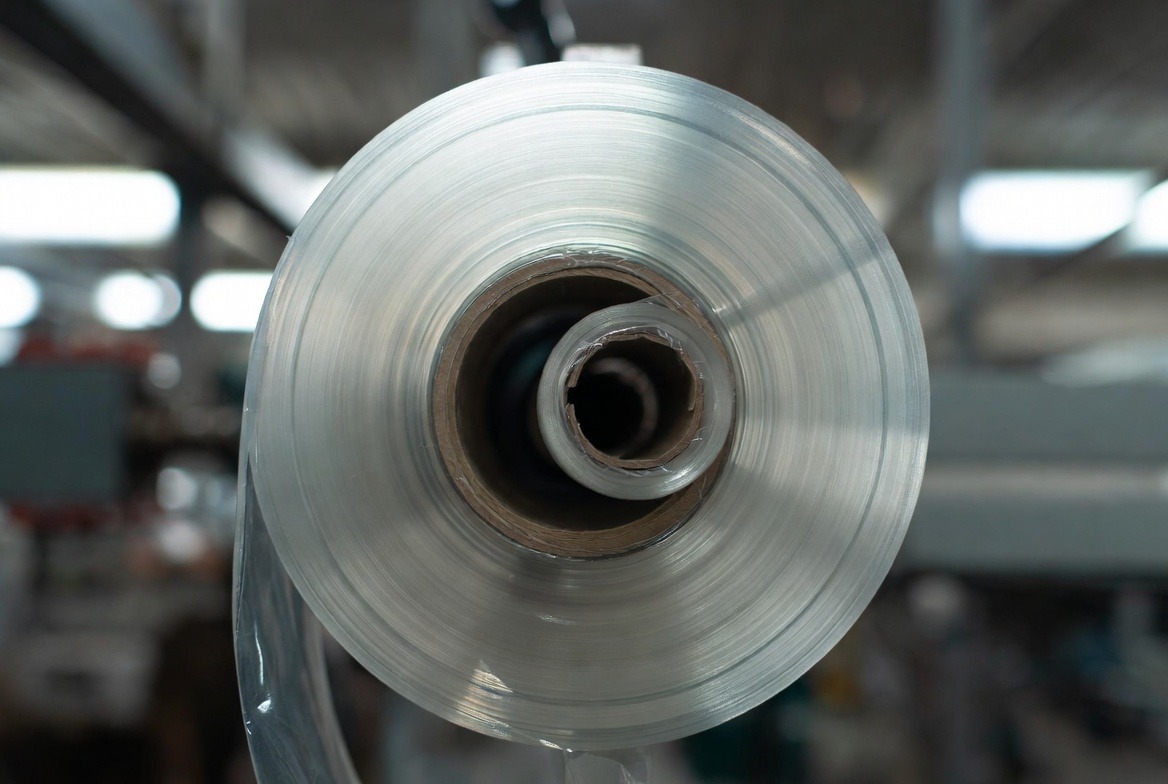
Safety film for windows, also known as window security film or window protection film, is a thin, flexible material applied to glass surfaces. It is designed to hold glass fragments together if the window is shattered, reducing the risk of injury from flying glass and making it more difficult for intruders to break in.
Safety film works by adhering to the glass surface and reinforcing it against impact. In the event of a breakage, the film holds the broken pieces together, minimizing the risk of injury and preventing easy access through the window. This attribute makes safety film an excellent choice for homes, offices, and commercial spaces looking to enhance security and safety.
!Enhanced window protection()
Safety film offers a multitude of benefits beyond its primary function of reinforcing glass. Here are some key advantages:
Safety film adds an extra layer of security, making it more difficult for burglars to gain entry. The film’s strength and durability mean that even if the glass is broken, it stays in place, acting as a deterrent to intruders.
Many safety films also provide UV protection, blocking up to 99% of harmful ultraviolet rays. This feature helps protect your furniture, flooring, and artwork from fading due to sun exposure, extending their lifespan. According to the Skin Cancer Foundation, window films can significantly reduce UV radiation indoors.
Certain types of safety film can improve a building’s energy efficiency by reducing heat gain in the summer and heat loss in the winter. This leads to a more comfortable indoor environment and can contribute to lower energy bills. The U.S. Department of Energy notes that window films can help improve energy performance by reducing solar heat gain.
Safety films can also reduce glare from the sun, making it easier to watch TV or work on a computer screen without straining your eyes.
Available in various shades and finishes, safety film can enhance the aesthetic appeal of your windows while providing privacy and security.
The installation of safety film is a straightforward process that can typically be completed in a few hours, depending on the number of windows and their size. Here’s a brief overview of the installation process:
The first step involves thoroughly cleaning the window surface to remove any dirt, dust, or debris. This ensures that the film adheres properly to the glass.
Next, the film is cut to size, leaving a small margin around the edges to ensure a snug fit. The film is then carefully applied to the glass surface, using a squeegee to remove air bubbles and ensure a smooth finish.
Finally, any excess film is trimmed away, and the edges are sealed to prevent peeling. The film is left to cure, allowing the adhesive to bond securely to the glass.
Safety film can be applied to most types of glass, including single-pane, double-pane, and tempered glass. However, it’s essential to consult with a professional installer to determine the best type of film for your specific windows and to ensure proper installation.
Yes, there are various types of safety film available, each designed to meet specific needs. Some films are clear, while others are tinted or reflective, offering additional privacy and energy-saving benefits. It’s important to choose the right type of film based on your requirements and preferences.
The longevity of safety film depends on several factors, including the quality of the film, the installation process, and the environmental conditions. Generally, high-quality safety films can last between 10 to 20 years with proper care and maintenance.
To extend the life of your safety film, it’s essential to clean your windows regularly using a soft cloth or sponge and a mild, non-abrasive cleaner. Avoid using harsh chemicals or abrasive materials that could damage the film.
Yes, safety film can be removed if necessary, although the process can be time-consuming and may require professional assistance. It’s essential to be cautious during removal to avoid damaging the glass or leaving adhesive residue.
Homeowners might choose to remove safety film for various reasons, such as replacing it with a different type of film, moving to a new property, or refurbishing their home.
The cost of safety film varies depending on factors such as the type of film, the size and number of windows, and the complexity of the installation. On average, homeowners can expect to pay between $5 to $15 per square foot for professional installation. While this may seem like a significant investment, the added security, energy efficiency, and UV protection make it a worthwhile expense.
!Home security and safety()
Safety film for windows is an excellent investment for homeowners looking to enhance security, improve energy efficiency, and protect their interiors from UV damage. By addressing these frequently asked questions, we hope to provide you with the information needed to make an informed decision about installing safety film in your home. Whether you’re an interior designer seeking innovative solutions for your clients or a homeowner prioritizing safety and aesthetics, safety film is a versatile and practical choice for any living space.