# Breaking Down the Cost of Window Film for Every Budget
When it comes to enhancing the beauty and functionality of your home, window film offers a versatile and cost-effective solution. But how do you determine the right window film for your budget? In this article, we’ll explore the various types of residential window film, including the cost of popular options like 3M bulletproof window film, and provide insights to help you make an informed decision.
Window film is a thin laminate film that can be installed on the interior or exterior of glass surfaces in homes and buildings. It serves multiple purposes, such as reducing glare, blocking UV rays, enhancing privacy, and improving energy efficiency. With a variety of options available, it’s important to understand what each type of film offers. To better understand the different options available, explore this types of window film guide.
Types of Residential Window Film
- Solar Control Film: Helps reduce heat and glare, and blocks harmful UV rays. Ideal for energy savings.
- Safety and Security Film: Provides an added layer of protection by holding shattered glass together.
- Decorative Film: Enhances the aesthetic appeal of your windows with patterns and designs.
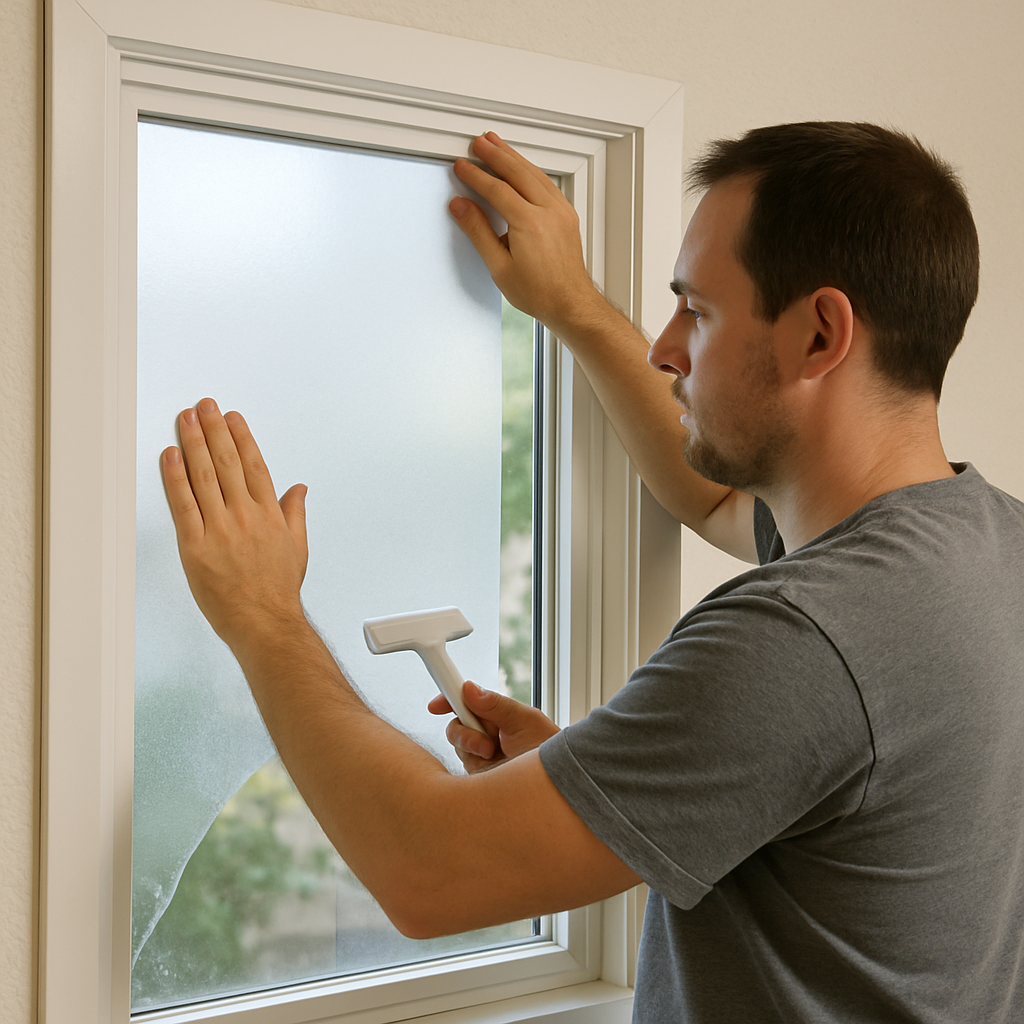
- Privacy Film: Blocks unwanted views while still allowing natural light to enter.
- 3M Bulletproof Film: Offers high-level security and protection, often used in high-risk areas.
Factors Influencing Window Film Cost
The cost of window film varies based on several factors, including the type of film, the size of your windows, and the complexity of the installation. Let’s break down these factors:
Type of Film
The type of film you choose plays a significant role in determining the cost. For instance, decorative films are generally less expensive compared to advanced security films like the 3M bulletproof window film.
Size of the Windows
The larger the window, the more film you’ll need, which increases the overall cost. Additionally, larger windows may require more labor-intensive installation processes.
Installation Complexity
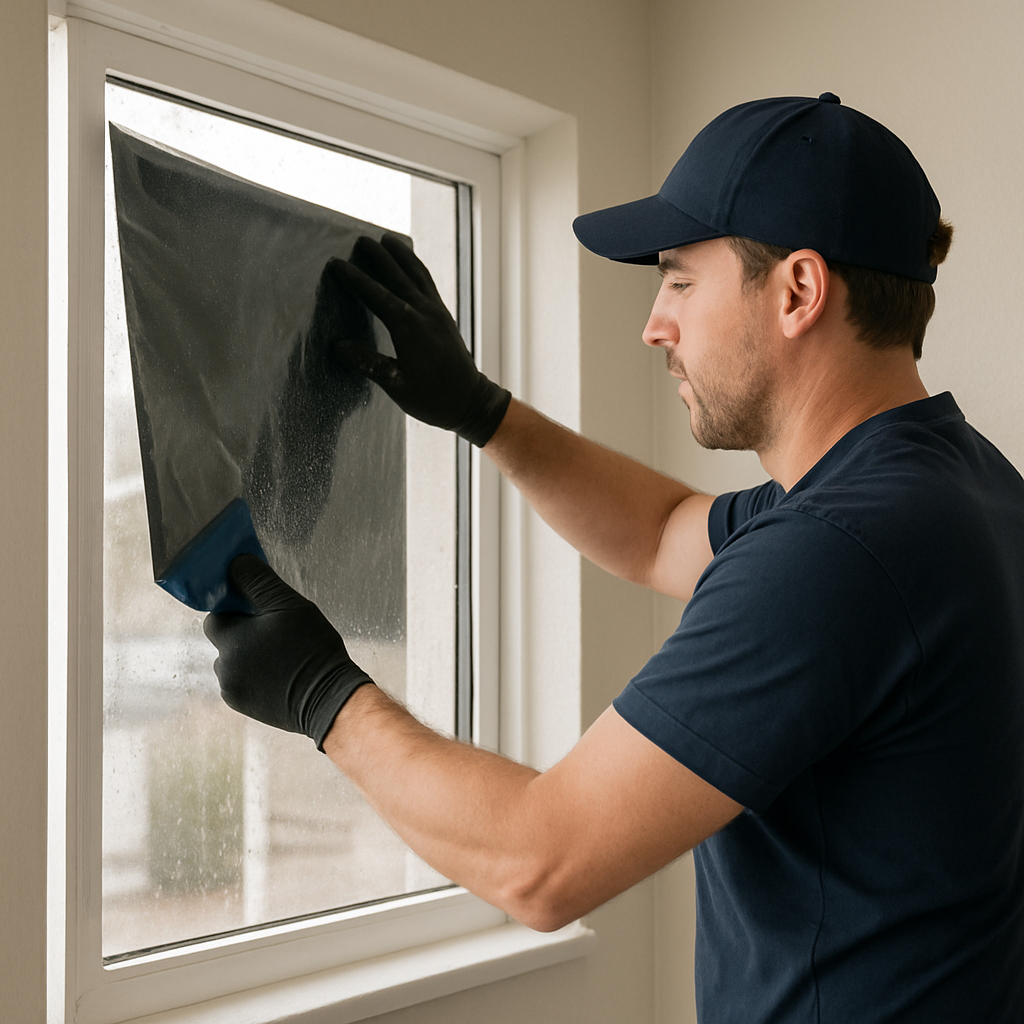
Some window films, especially those with intricate designs or security features, require professional installation, which can add to the cost. DIY installation is an option for simpler films and can save money on labor.
Breaking Down the Cost for Different Budgets
Let’s take a closer look at how much you might expect to pay for window film based on your budget.
Budget-Friendly Options
For those on a tight budget, solar control and privacy films are excellent choices. These films typically range from $2 to $4 per square foot for the material, with DIY installation options available to keep costs low.
Mid-Range Solutions
If you have a moderate budget, you might consider decorative films, which can range from $5 to $8 per square foot. These films offer both aesthetic value and functionality, making them a popular choice for homeowners seeking to enhance their interior design.
Premium Selections

by Sebastian Laverde on Unsplash
For homeowners looking for high-end solutions, safety and security films, including the 3M bulletproof window film, provide superior protection. Prices for these films can range from $7 to $15 per square foot, with professional installation typically required due to their complexity. According to the U.S. Department of Energy, window films can significantly improve insulation performance and reduce energy loss.
The Value of Professional Installation
While DIY installation can save money, professional installation ensures that the film is applied correctly and lasts longer. Professional installers have the tools and expertise to handle more complex installations, such as those involving large or uniquely shaped windows. Industry best practices highlighted by the ASHRAE technical resources emphasize proper installation as a key factor in achieving optimal thermal performance.
Benefits of Professional Installation
- Precision: Ensures a perfect fit and finish.
- Warranty: Many professionals offer warranties on their installations, providing peace of mind.
- Efficiency: Saves time and reduces the risk of errors during installation.
Maximizing Energy Efficiency and Savings
Window film is not just about aesthetics and protection; it also plays a significant role in energy efficiency. By reducing heat gain and loss, window film can help lower your energy bills. This is particularly beneficial in regions with extreme temperatures.
Energy Savings with Window Film
- Heat Reduction: Solar control films can reduce heat gain by up to 79%, leading to significant cooling cost savings.
- UV Protection: Blocks up to 99% of harmful UV rays, protecting your interior furnishings from fading.
- Improved Comfort: Maintains a consistent indoor temperature, enhancing comfort year-round.
Making the Right Choice for Your Home
Choosing the right window film involves considering both your budget and your specific needs. Whether you’re looking for energy savings, enhanced security, or aesthetic appeal, there’s a window film solution that fits your requirements.
Questions to Ask Before Buying
- What is the primary purpose of the window film (e.g., energy efficiency, privacy, security)?
- How much are you willing to spend on materials and installation?
- Will you opt for DIY installation, or do you prefer professional assistance?
By answering these questions, you’ll be better equipped to select the window film that aligns with your needs and budget.
Conclusion
Window film offers a cost-effective way to enhance your home’s comfort, security, and appearance. By understanding the types of films available and their associated costs, you can make an informed decision that fits your budget and lifestyle. Whether you choose a budget-friendly solar control film or invest in premium security solutions like the 3M bulletproof window film, the benefits of window film are clear.
Remember, professional installation can maximize the lifespan and effectiveness of your window film, ensuring you get the most value from your investment. So, take the time to explore your options and find the perfect window film for your home.