# Can UV Window Films Harm or Help Indoor Plants?
The relationship between UV window films and indoor plants is a topic of increasing interest among homeowners and interior designers. As experts in home improvement solutions, we’re here to unravel the mystery surrounding UV window films and their effects on your beloved indoor plants. Are these films a friend or foe? Let’s dive into the facts.
Understanding UV Window Films
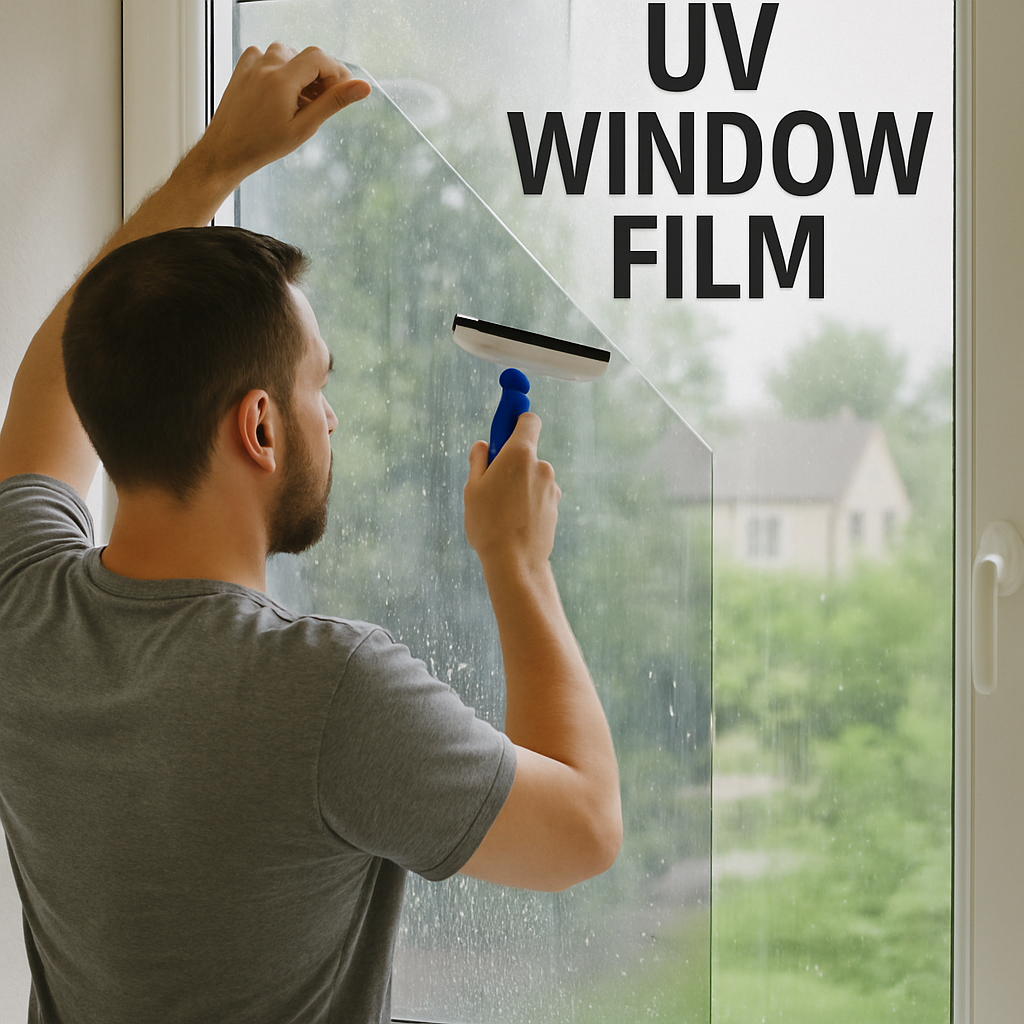
UV window films are thin layers of polyester or vinyl applied to window glass. They are designed to block harmful ultraviolet (UV) rays from entering your home. These films offer a range of benefits, including reduced glare, enhanced privacy, improved energy efficiency, and protection from UV damage to furniture and flooring.
The Mechanics of UV Window Films
UV window films work by reflecting or absorbing the sun’s UV rays. While they block up to 99% of harmful UV radiation, they still allow visible light to pass through. According to the U.S. Environmental Protection Agency, UV radiation is a major contributor to material fading and sun damage. This is why your room doesn’t turn into a dark cave once the film is applied. The primary goal of these films is to protect your home’s interior while maintaining a comfortable and bright living space.
The Impact of UV Window Films on Indoor Plants
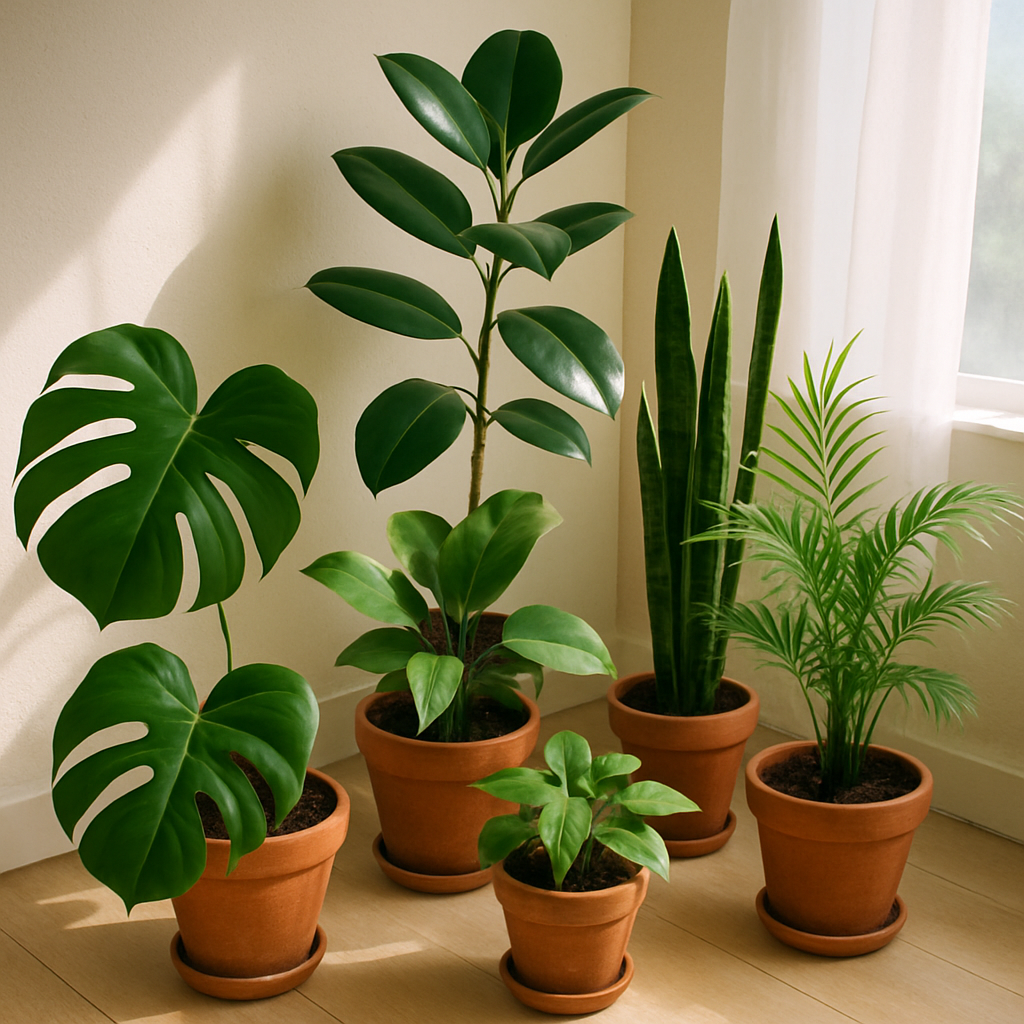
To determine whether UV window films are beneficial or harmful to indoor plants, it’s important to understand how plants use light. Plants rely on photosynthesis, a process that converts light energy into chemical energy, enabling them to grow. This process primarily uses visible light, particularly the blue and red spectrums. The Encyclopaedia Britannica explains that photosynthesis depends mainly on visible wavelengths rather than ultraviolet light.
Do UV Window Films Block Essential Light for Plants?
UV window films are designed to block UV rays, which are not a critical component of the photosynthesis process. Since these films allow visible light to enter, they typically do not deprive plants of the light they need to thrive. In fact, by reducing excessive heat and glare, these films can create a more stable environment for indoor plants.
Potential Benefits for Indoor Plants
- Reduced Heat Stress: UV window films can help reduce the heat that builds up in a room. High temperatures can lead to heat stress in plants, causing wilting or even death. By keeping indoor temperatures more consistent, UV films can create a more plant-friendly environment.
- Decreased Risk of Sunburn: Just like humans, plants can suffer from sunburn. Intense sunlight can damage leaves, leading to brown spots and dry edges. UV window films can help protect plants from these harsh rays.
- Improved Humidity Levels: By blocking excess heat, UV films can help maintain better humidity levels in your home. Many indoor plants thrive in humid conditions, and consistent humidity levels can be beneficial for plant health.
The Concerns: When UV Films Might Be Harmful
While UV window films offer many benefits, there are situations where they could potentially harm indoor plants.
Insufficient Light for Low-Light Plants
If you have plants that thrive in low-light conditions, UV window films might not pose any issues. However, for plants that require bright, direct sunlight, the reduction in light intensity could be a concern. It’s important to assess the light needs of your specific plants before applying UV window films.
Choosing the Right Film
Selecting the right type of window film is crucial. Some films are designed to block more light than others. If you’re worried about light levels for your plants, opt for a film that allows higher levels of visible light to pass through.
Best Practices for Using UV Window Films with Indoor Plants
To ensure your indoor plants continue to thrive with UV window films, consider these best practices:
- Assess Plant Light Requirements: Understand the light needs of your plants. Some may prefer indirect light, while others may need full sun exposure.
- Opt for Adjustable Solutions: Consider films that can be adjusted or removed seasonally, or use sheer curtains in combination with window films to control light exposure.
- Monitor Plant Health: Keep an eye on your plants after the film installation. Look for signs of stress, such as yellowing leaves or stunted growth, and adjust their placement if needed.
- Experiment with Placement: If possible, move plants around to find the optimal spot where they receive adequate light without the risk of sunburn.
Conclusion: Balancing Light and Protection
UV window films are a valuable tool in modern interior design, offering numerous benefits including energy efficiency and UV protection. When used thoughtfully, they can coexist with indoor plants without causing harm. By carefully selecting the right film and monitoring plant health, you can enjoy the best of both worlds—beautiful, vibrant indoor plants and a comfortable, energy-efficient home.

by Kate Darmody (https://unsplash.com/@kdarmody)
For interior designers seeking cost-effective solutions that enhance both aesthetics and energy efficiency, UV window films present an innovative option. With the right approach, these films can complement your design vision and support a healthy indoor plant environment.