Removing old window tinting can be a daunting task, especially if you’ve never done it before. However, with the right techniques and tools, you can strip off old window tinting efficiently and effectively. Whether you’re a homeowner looking to refresh your windows or an interior designer seeking to enhance energy efficiency and aesthetics for your clients, this guide will provide you with the insights you need.
Window tinting offers numerous advantages, such as reducing glare, blocking harmful UV rays, and enhancing privacy. However, over time, the tint can fade, peel, or bubble, diminishing its effectiveness and appearance.
When this happens, removing the old tint becomes necessary. The challenge lies in doing so without damaging the window glass.
Why Remove Old Window Tint?
Old window tint can become unsightly and less effective over time. Peeling or bubbling tint not only looks unattractive but also fails to provide the privacy, UV protection, and glare reduction benefits it once did. By removing the old tint, you can restore the window’s clarity and prepare it for a fresh application if desired.
Preparing for the Removal Process
Before you begin, gather the necessary tools and materials. You’ll need:
- A razor blade or utility knife
- A spray bottle filled with soapy water or ammonia solution
- A hairdryer or heat gun
- A plastic scraper or credit card
- Paper towels or a clean cloth
Safety First
When working with sharp tools and chemicals, safety is paramount. Wear gloves to protect your hands and goggles to shield your eyes from any flying debris or splashes.
Step-by-Step Guide to Removing Window Tint
Method 1: The Soapy Water Technique
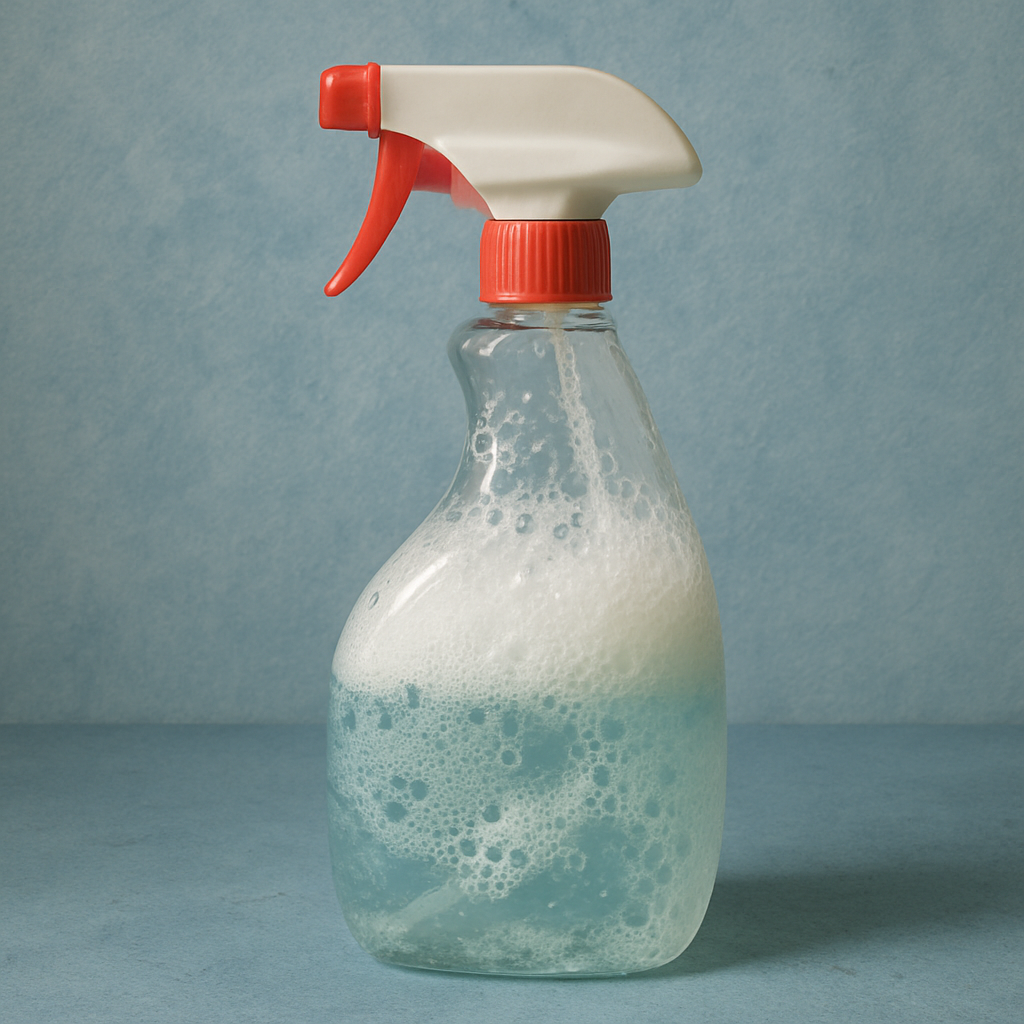
- Spray the Tint: Fill a spray bottle with soapy water. Spray the tinted surface generously until it is thoroughly soaked. The soapy water helps to loosen the adhesive.
- Peel the Tint: Start at one corner of the window. Use a razor blade or utility knife to lift the edge of the tint. Once you have a grip, gently peel the tint away from the glass. Spray more soapy water as needed to keep the adhesive wet.
- Remove Residue: After peeling off the tint, some adhesive residue may remain on the glass. Use the razor blade to carefully scrape it off, spraying more soapy water as needed to keep the surface wet.
- Clean the Glass: Once the tint and residue are removed, wipe the glass with a clean cloth or paper towel to remove any remaining moisture or debris.
Method 2: The Ammonia and Sun Method
- Prepare the Solution: Fill a spray bottle with a solution of equal parts ammonia and water.
- Soak the Tint: Spray the ammonia solution generously over the tint. Cover the window with a plastic garbage bag to hold in the moisture and let it sit in the sun for about an hour. The sun’s heat will help the ammonia break down the adhesive.
- Peel and Clean: Remove the plastic bag and peel the tint off starting from one corner. Use a plastic scraper to remove any remaining adhesive. Wipe the window clean with a damp cloth.
Method 3: The Heat Gun or Hairdryer Method
- Heat the Tint: Use a hairdryer or heat gun to warm the surface of the window tint. Hold it a few inches away from the glass to avoid overheating.
- Peel the Tint: As the adhesive warms up, start peeling the tint from one corner. The heat will help loosen the adhesive, making it easier to remove the tint.
- Remove Residue: Use a plastic scraper to remove any leftover adhesive. If needed, apply more heat to soften the residue.
- Final Cleaning: Clean the window with a damp cloth to remove any remaining residue or streaks.
Tips for Success
- Be patient and take your time. Rushing the process can lead to scratches or damage to the glass.
- If the tint is stubborn, apply more solution and let it sit for a while longer.
- Use a plastic scraper instead of metal to avoid scratching the glass.
When to Call a Professional
While these techniques are effective for most DIY enthusiasts, there are times when calling a professional might be the best option. If you’re dealing with large windows or find the tint too challenging to remove, a professional can help ensure a smooth and damage-free removal process.
Conclusion
Removing old window tinting doesn’t have to be a daunting task. With the right techniques and a bit of patience, you can achieve clear, tint-free windows that are ready for a new look. Whether you’re aiming to enhance the aesthetics of your home or improve energy efficiency, these methods will guide you through the process with ease.
By understanding and applying these techniques, you can meet your client’s needs, providing them with stylish, eco-friendly window solutions that complement their interior designs and reduce energy bills.