# How Window Tinting Adds a Layer of Cold Weather Protection
When it comes to enhancing comfort and energy efficiency in your home, window tinting might not be the first solution that comes to mind. Most people associate window films with reducing glare and blocking UV rays during the summer months. However, did you know that window tinting can also add a layer of cold weather protection to your home?
This article will explore how window tinting contributes to energy efficiency, helps maintain indoor comfort, and offers a stylish, eco-friendly solution for homeowners and interior designers.
What is Thermal Window Tint?
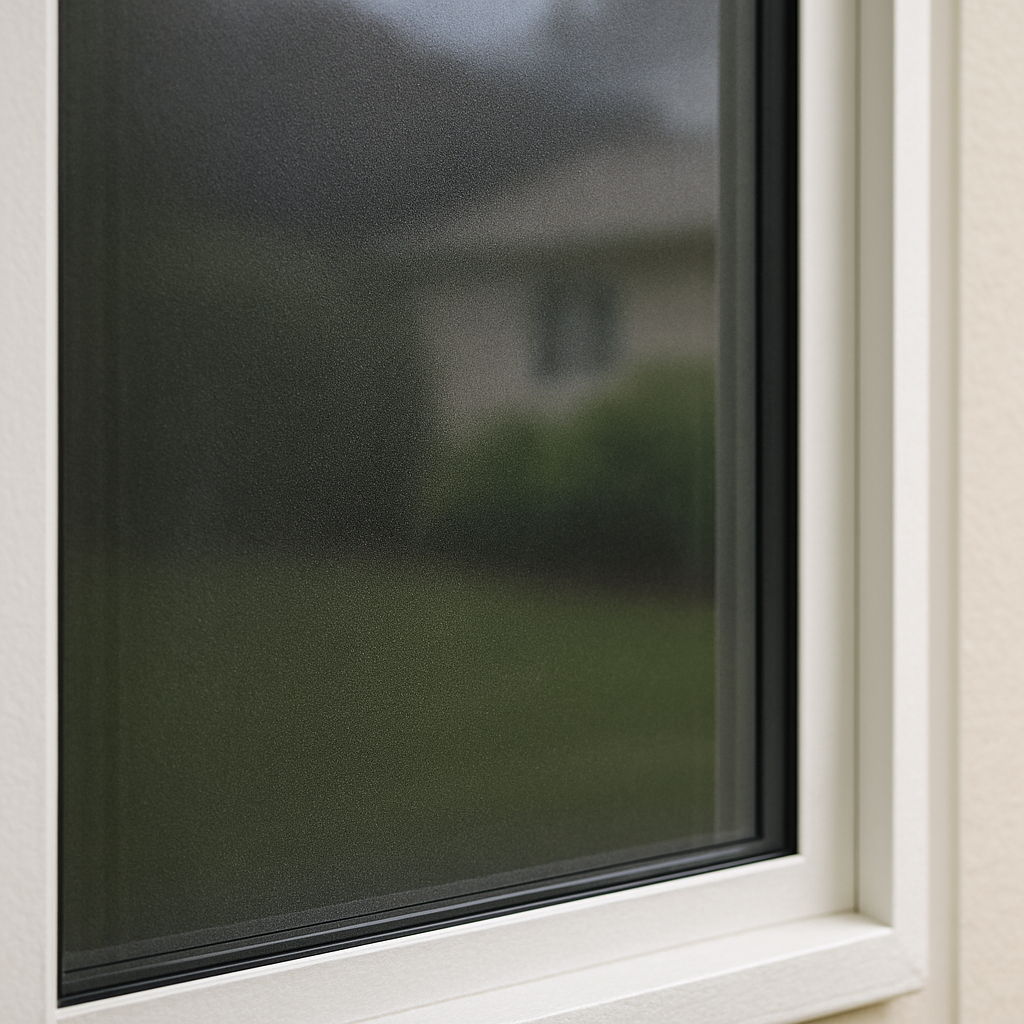
Thermal window tint, also known as insulating window film, is a specialized type of window film designed to improve the insulation properties of your windows. Unlike traditional window films that focus solely on blocking sunlight, thermal tints are engineered to reduce heat transfer through windows.
By reflecting heat back into the room during colder months and blocking excessive heat during warmer months, these films help maintain a consistent indoor temperature. This makes them an ideal year-round solution for energy efficiency and comfort.
How Does It Work?
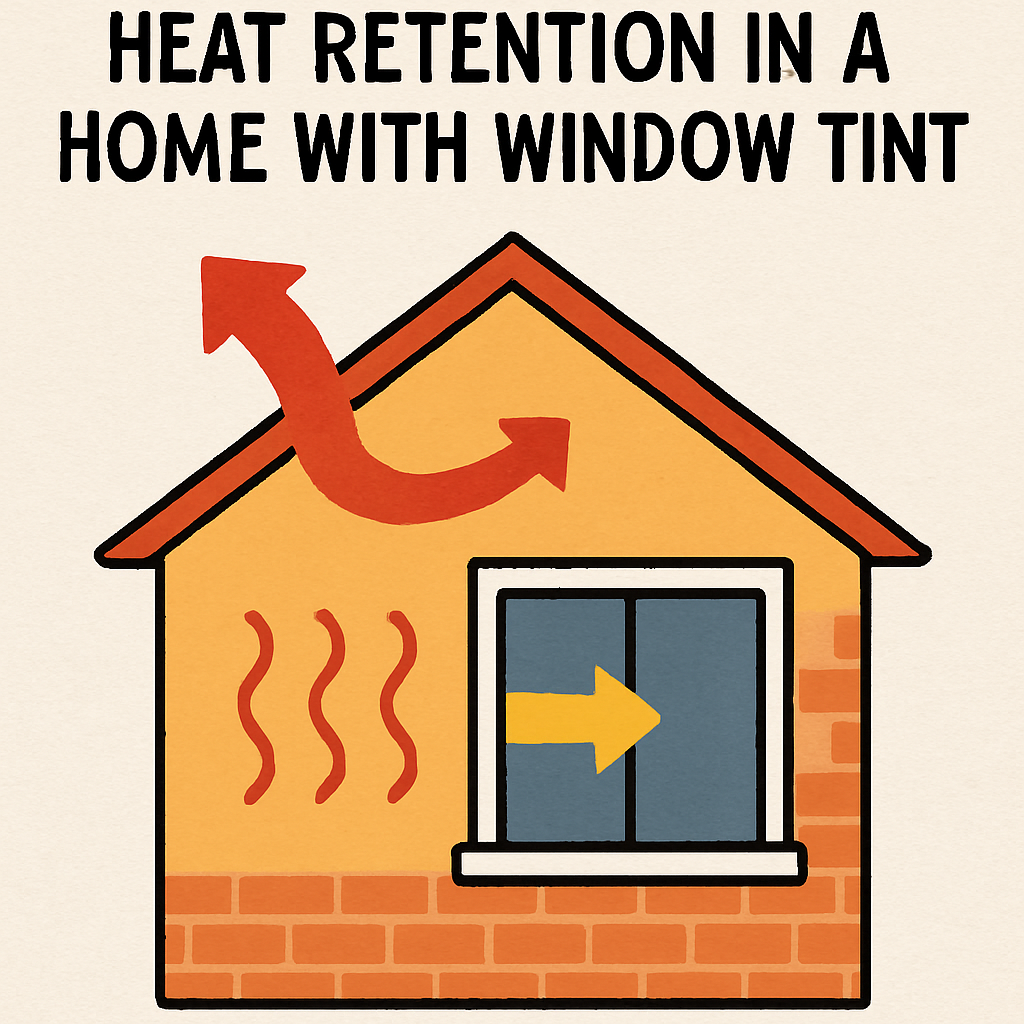
Thermal window tints work by using advanced materials that reflect infrared heat while allowing visible light to pass through. This technology keeps the heat inside your home during the winter, reducing the need for excessive heating. During summer, it prevents excessive heat from entering your home, keeping it cooler without over-relying on air conditioning.
The result is a more stable indoor climate, which translates into reduced energy consumption and lower utility bills. According to the U.S. Department of Energy, energy-efficient window treatments can significantly improve insulation and reduce heat loss.
Benefits of Window Tinting for Cold Weather Protection
Improved Insulation
One of the primary benefits of thermal window tint is its ability to improve the insulation of your windows. Windows are often the weakest link in a home’s insulation, with heat easily escaping through them. By adding a layer of thermal film, you can significantly reduce heat loss and improve the overall energy efficiency of your home.
Energy Savings
By reducing heat loss, thermal window tints help lower your heating costs during the winter months. The energy savings can be substantial, especially in regions with cold climates. Over time, the cost savings on your energy bills can offset the initial investment in window tinting, making it a cost-effective solution for homeowners.
Enhanced Comfort
Thermal window tints contribute to a more comfortable indoor environment by reducing drafts and cold spots near windows. This is particularly beneficial in older homes where windows may not be as well-insulated. With window tinting, you can enjoy a cozy and warm living space without the need for additional heating devices or heavy curtains.
UV Protection
In addition to thermal benefits, window tints offer protection from harmful UV rays. While UV rays are more of a concern in summer, they can still cause damage to your furniture, flooring, and artwork during the winter months. Window tints help block up to 99% of UV rays, preserving the longevity of your interiors. The U.S. Environmental Protection Agency explains how UV exposure affects materials and indoor environments.
Stylish and Eco-Friendly Solution

by Evan Wise (https://unsplash.com/@evanthewise)
Aesthetic Appeal
Window tints come in a variety of shades and finishes, allowing you to choose a style that complements your home’s interior design. Whether you prefer a subtle, barely-there look or a more reflective finish, there are options to suit every taste and style. This makes window tinting an attractive choice for interior designers looking to enhance both aesthetics and functionality.
Eco-Friendly Choice
By improving energy efficiency and reducing reliance on heating and cooling systems, window tinting supports eco-friendly living. Lower energy consumption translates into reduced greenhouse gas emissions, making window tinting a sustainable choice for environmentally conscious homeowners.
Installation and Maintenance
Professional Installation
For the best results, it’s recommended to have thermal window tints professionally installed. A skilled installer will ensure that the film is applied smoothly and without bubbles, ensuring maximum performance and longevity. Professional installation also typically comes with a warranty, offering peace of mind for your investment. To find professional installers for window films, it’s important to choose experienced specialists who understand proper application techniques.
Easy Maintenance
Maintaining window tints is simple and straightforward. Regular cleaning with a mild soap solution and a soft cloth will keep your windows looking clear and bright. Avoid using abrasive materials or harsh chemicals, as these can damage the film.
Conclusion
Window tinting offers an effective and stylish solution for enhancing the comfort and energy efficiency of your home, particularly during the colder months. By adding a layer of thermal window tint, you can reduce heat loss, lower energy bills, and create a more comfortable living environment.
For interior designers, window tinting provides a versatile tool to enhance aesthetics while meeting the growing demand for eco-friendly home improvements. Whether you’re looking to upgrade your own home or offer clients innovative solutions, window tinting is a valuable addition to any home improvement strategy.
Incorporate thermal window tinting into your design plans and discover the benefits of this multifunctional solution. Embrace the opportunity to enhance both the look and energy performance of your living spaces, and enjoy the peace of mind that comes with making a smart, sustainable choice.