
In today’s world, energy efficiency is more important than ever. As homeowners become increasingly conscious of their energy consumption, many are seeking innovative ways to reduce their utility bills. One such solution that has gained popularity is window insulation films. These films offer a simple yet effective way to enhance your home’s energy efficiency without compromising on style or comfort.
Understanding Window Insulation Films
Window insulation films are thin layers of plastic applied to windows to improve their energy efficiency. They work by reflecting heat back into the room during the winter and blocking heat from entering during the summer. This dual action helps maintain a comfortable indoor temperature year-round, which can significantly reduce energy costs. According to the U.S. Department of Energy, window films can play a meaningful role in reducing heat gain and improving overall home efficiency.
How Do Window Films Work?
Window films are designed with multiple layers that serve different functions. The outermost layer reflects solar energy, reducing the amount of heat that enters your home. Meanwhile, the inner layers work to trap heat inside during colder months. This combination helps to stabilize the temperature inside your home, reducing the need for constant heating or cooling.
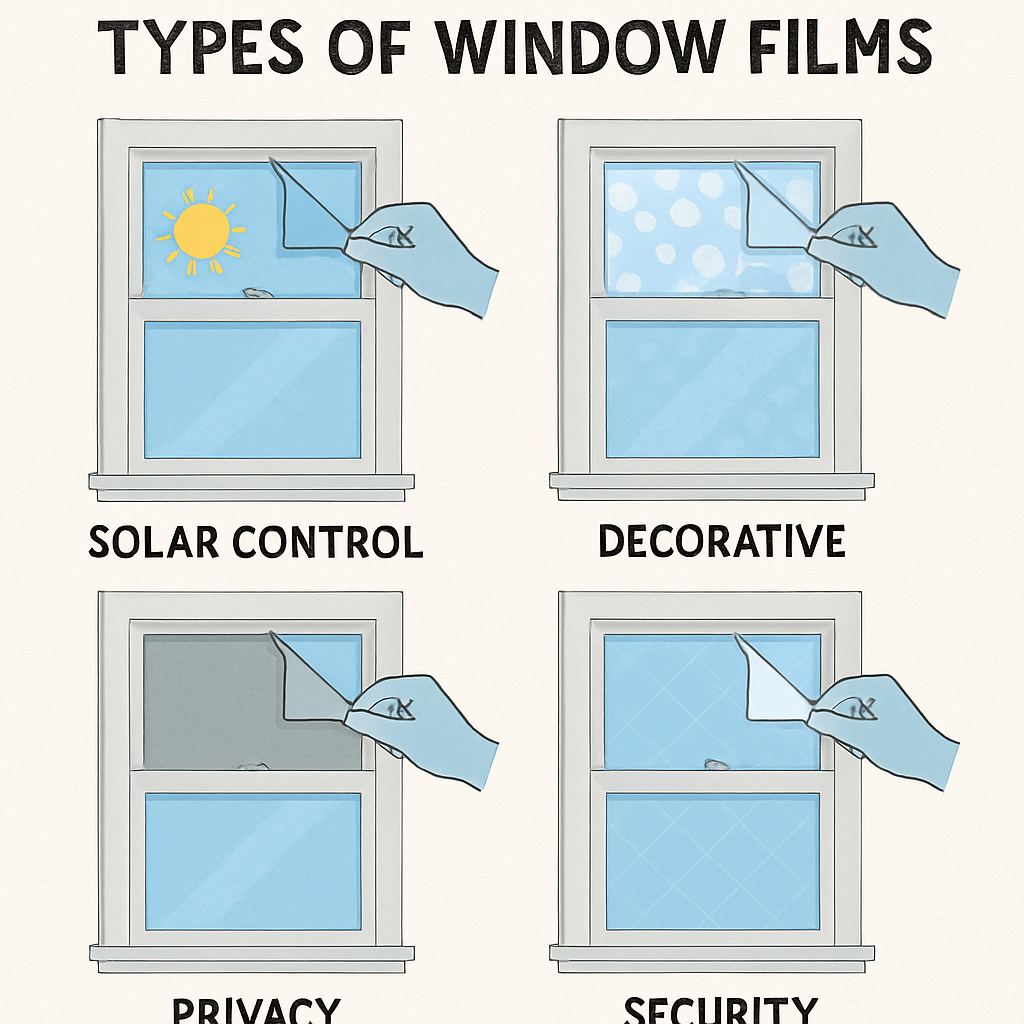
Types of Window Insulation Films
There are several types of window insulation films available, each with its own set of benefits:
- Reflective Films: These are metallic films that reflect sunlight and reduce glare. They are ideal for homes in hot climates where excess sunlight can cause overheating.
- Low-E Films: Low-emissivity films are designed to reduce heat transfer. They are coated with a thin metallic layer that reflects infrared heat while allowing visible light to pass through.
- Privacy Films: While primarily used to enhance privacy, these films can also provide some insulation benefits. They are available in various designs and opacities.
- Decorative Films: These films add an aesthetic element while providing insulation. They come in various patterns and colors to match any interior design.
Benefits of Window Insulation Films
Energy Savings
The most notable benefit of window insulation films is their ability to reduce energy bills. By minimizing heat gain and loss, these films can lower your reliance on HVAC systems, leading to substantial savings over time. According to the U.S. Environmental Protection Agency (EPA), improving building envelope efficiency is one of the key ways homeowners can reduce overall energy consumption. Studies suggest that properly selected window films can reduce energy bills by up to 30%.
Enhanced Comfort
Window films help maintain a consistent indoor temperature, reducing hot and cold spots within your home. This means you can enjoy a more comfortable living environment without constantly adjusting the thermostat.
UV Protection
Window films also protect your home’s interior from harmful ultraviolet (UV) rays. Prolonged exposure to UV rays can fade furniture, flooring, and other interior elements. By blocking up to 99% of UV rays, window films help preserve the longevity and appearance of your furnishings.
Reduced Glare
Excessive glare from the sun can make it difficult to enjoy activities such as watching television or working on a computer. Window films reduce glare, improving visibility and comfort in your home.
Improved Privacy and Security
Certain types of window films can enhance privacy by limiting the view into your home from the outside. Additionally, thicker films can add a layer of security by holding glass shards together in the event of a breakage, reducing the risk of injury. To explore the full window film advantages, you can review detailed use cases and performance insights.
Installation Process
Installing window insulation films is a straightforward process that can be completed by professionals or experienced DIY enthusiasts. Here’s a brief overview:
- Preparation: Clean the window surface thoroughly to remove any dirt or debris. This ensures proper adhesion of the film.
- Measurement: Measure the window dimensions accurately to cut the film to the correct size.
- Application: Peel the backing off the film and apply it to the window, starting from one edge and smoothing it out to eliminate air bubbles.
- Trimming: Trim any excess film with a sharp utility knife for a clean finish.
- Curing: Allow the film to cure for a few days to ensure optimal adhesion and performance.
For best results, it’s recommended to hire a professional installer who can ensure a seamless and efficient application.

by Blake Harbison (https://unsplash.com/@blake_harbison)
Choosing the Right Window Film for Your Home
When selecting window insulation films, consider the following factors:
- Climate: Your local climate will influence the type of film that’s most suitable. Reflective films are ideal for hot climates, while Low-E films are better for colder regions.
- Aesthetic Preferences: Choose a film that complements your home’s interior design. Decorative films offer a wide range of styles to suit any aesthetic.
- Budget: Window films are available at various price points. Determine your budget and choose a film that offers the best balance of cost and performance.
- Installation: Decide whether you’ll install the film yourself or hire a professional. Professional installation may cost more but can ensure a higher quality finish.
Conclusion
Window insulation films are a cost-effective and efficient solution for reducing energy bills and enhancing comfort in your home. By reflecting heat, blocking UV rays, and providing additional privacy and security, these films offer a multitude of benefits. Whether you’re an interior designer seeking eco-friendly solutions for clients or a homeowner looking to improve energy efficiency, window films are a versatile option that shouldn’t be overlooked.
Investing in window insulation films not only contributes to a more sustainable living environment but also adds value to your home. With the right choice of films, you can enjoy a stylish, comfortable, and energy-efficient space all year round.